How to layer attar and perfume without making the room smell before you arrive
Layering fragrance works best when one scent leads and the other supports it. Match families, use less attar than you think and test on skin before committing to an event.
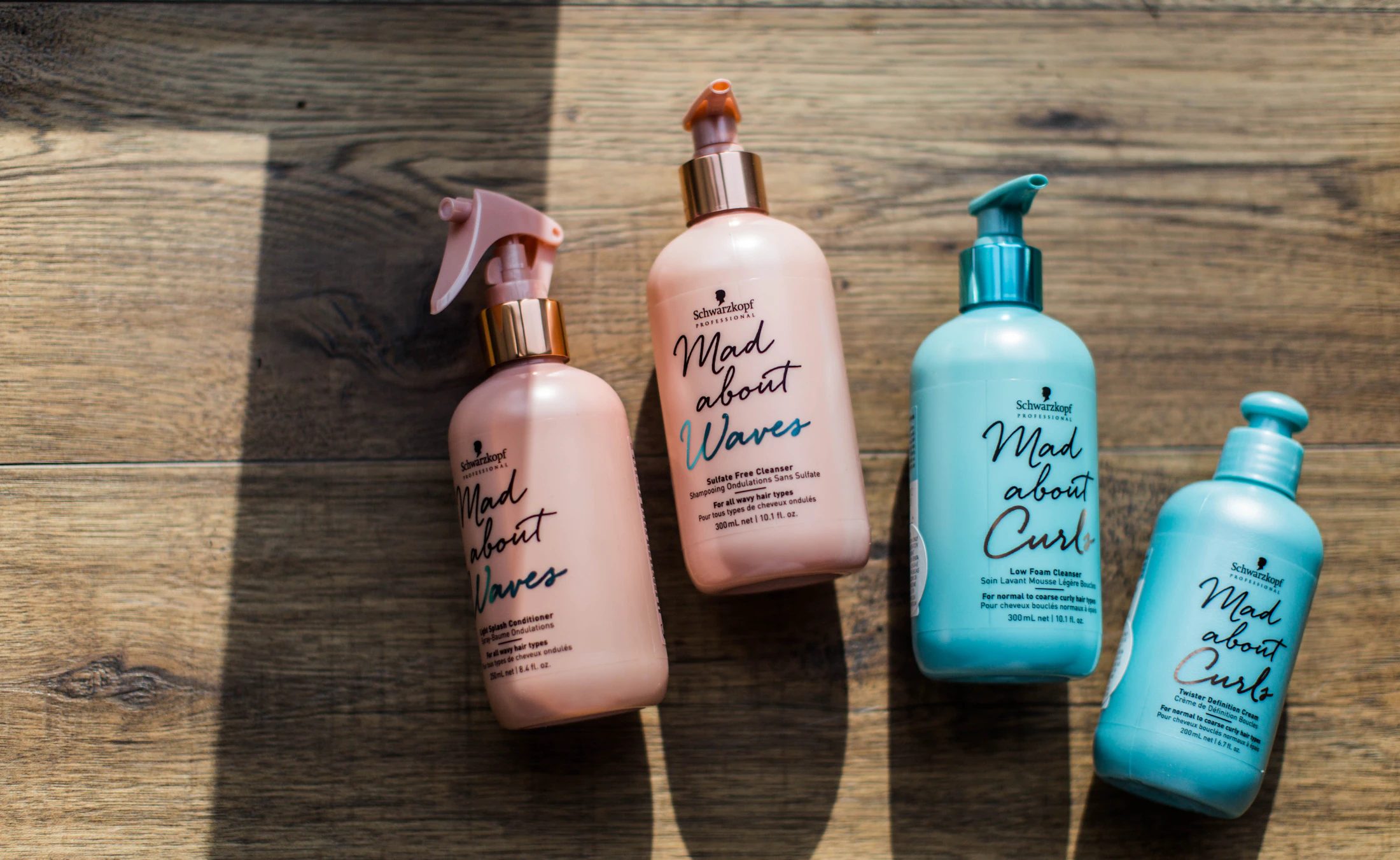
Attar plus perfume can smell richer than either alone. It can also become two loud conversations happening at the same time. Layering works when one fragrance is the sentence and the other is punctuation.
Choose a lead fragrance
Decide which scent you actually want people to notice. If the attar is dense oud, rose or amber, let it lead and use a lighter spray around it. If the perfume is the main event, keep the oil very small and close to the skin.
Start with related families
Rose with musk, citrus with neroli, oud with amber, vanilla with sandalwood: shared notes make combinations easier to predict. Contrast can work too, but test it before a wedding rather than inventing it in the car park.
Oil first, spray second
Attar sits close to skin and can last a long time. Apply a tiny amount to pulse points, let it settle for several minutes, then spray perfume nearby rather than directly saturating the oil.
Use less of both than you would alone
Two full applications do not become one balanced scent. Begin at half your normal amount. You can always add a little later; you cannot remove fragrance from a hotel ballroom.
Test on skin, not only paper
Body heat and skin chemistry change how oils and sprays develop. Wear the combination for several hours on an ordinary day before using it for an event.
Fabric holds fragrance differently
Some perfume oils can mark pale or delicate fabric. Spray fragrance can also affect silk, embroidery or jewellery finishes. Apply to skin and allow it to dry before dressing unless the manufacturer specifically says the product is suitable for clothing.
Give other people some air
Fragrance projects more in warm rooms, crowded wedding halls and cars. What feels subtle outdoors can become intense indoors.
The best layering is not the combination with the most notes. It is the one where you can still recognise both scents without announcing your arrival from the lift.
Build combinations on paper before skin
Write down the main notes in each scent: rose, citrus, musk, oud, vanilla, leather. If both bottles are already dense with oud, amber and spice, layering may add volume rather than interest. A simpler musk or citrus support can create more contrast.
Keep a note of successful pairings. Fragrance memory is unreliable after smelling several bottles in one sitting.
Begin with a clear baseline: How to layer attar and perfume without making the room smell before you arrive
For how to layer attar and perfume, describe the current concern before changing the routine: where it appears, how long it has been present, what it feels like and what products are already used. Photographs in consistent light can help with gradual changes in pigment, flakes or hair density.
Build a calm escalation plan: How to layer attar and perfume without making the room smell before you arrive
For how to layer attar and perfume, patience should not mean passivity. It means giving a suitable plan enough time while staying alert to signs that a different kind of help is needed.
A practical way to use this guide: How to layer attar and perfume without making the room smell before you arrive
For how to layer attar and perfume in particular, Save the small details that will be difficult to reconstruct later: measurements, ingredient ratios, product names, family decisions, alteration notes or care instructions. A short record turns the next attempt into an improvement rather than another first try.
With how to layer attar and perfume as the focus, Choose a reversible test where possible. Cook a half batch, wear the shoes at home, try one skincare change or ask one clear family question. Low-cost tests produce better information than making a large commitment because the first answer sounded confident.
What to review after the first attempt: How to layer attar and perfume without making the room smell before you arrive
In practical terms for how to layer attar and perfume without making the room smell before you arrive, Ask what worked, what created friction and what information you wish you had known earlier. Change one or two variables rather than rebuilding the whole plan. This keeps the useful parts and makes the next version easier.
Applied specifically to how to layer attar and perfume without making the room smell before you arrive, The strongest PakStyles advice is meant to reduce uncertainty, not create another standard people have to perform. Use the framework, keep the parts that fit your household and update the rest when your circumstances change.
One final editorial note: How to layer attar and perfume without making the room smell before you arrive
how to layer attar and perfume without making the room smell before you arrive without making the room smell before you arrive is most useful when treated as a framework rather than a rigid instruction. Recheck current rules, health advice or product directions where they matter, and keep your own notes about what worked. The extra few minutes spent documenting the result usually save far more time the next time the same decision appears.
Questions to take to a pharmacist, GP or dermatologist: How to layer attar and perfume without making the room smell before you arrive
For a reader working through how to layer attar and perfume without making the room smell before you arrive, Bring the timeline, photographs, product list and the main thing you want help with. Ask what the likely diagnosis is, which ingredients should be stopped, how long treatment normally needs before review and what signs would mean you should return sooner.
A final reader check: How to layer attar and perfume without making the room smell before you arrive
Before acting on how to layer attar and perfume without making the room smell before you arrive, re-read the step that carries the most cost or risk and confirm it still fits your circumstances. Keep the original source, receipt, measurements or notes where relevant, and choose the reversible option when uncertainty remains.
Build the combination by contrast or continuity
Two fragrances do not need identical notes to work together, but they need a clear relationship. You can extend one family, such as woods with woods, or create a deliberate contrast, such as a dry woody attar under a brighter citrus fragrance. What usually fails is adding several strong ideas with no lead scent. Start with two products and learn that pairing before adding a third.
Control placement as well as quantity
Concentrated attar applied to a few pulse points can sit very close to the skin, while an eau de parfum sprayed on clothing may project for much longer. Using both heavily in the same place can overwhelm the blend. Try the oil on skin and a lighter spray on a separate area, then wait through the dry-down before deciding whether more is needed.
Test the full wearing time
The first five minutes are mostly top notes and alcohol evaporation. A combination that seems perfect immediately can become too sweet, smoky or dense several hours later. Test it on an ordinary day before wearing it to a wedding, office or long journey. Heat also increases perceived projection, so a pairing that feels restrained in a cool British room may be much louder outdoors in Lahore or Karachi.
Respect shared air
Fragrance is personal until it fills a lift, prayer space, clinic or small office. Layering should create detail for people who come near you, not announce your arrival from another room. If someone in the household has asthma, migraine or fragrance sensitivity, restraint is part of good styling rather than a failure of performance.
Keep a simple layering notebook
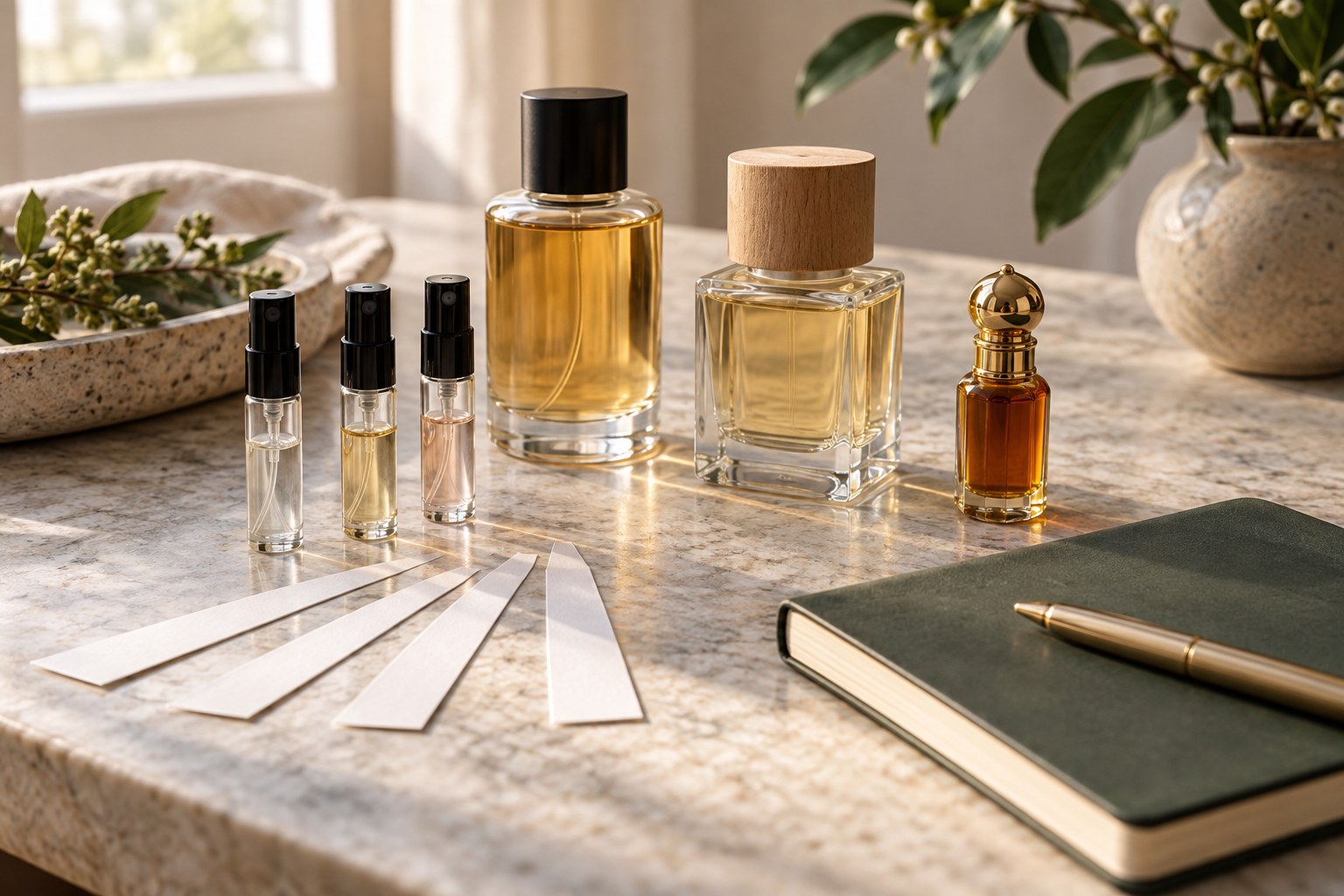
Write down the two fragrances, where each was applied and how the combination smelled after fifteen minutes, two hours and the end of the day. This sounds excessive until several oils and sprays begin to blur together. A short record helps you identify whether the pleasing part came from the attar, the spray, the order or simply using less than usual.
Test combinations on ordinary days before using them at a wedding or formal event. Skin chemistry, heat, fabric and air conditioning can all change how far a fragrance projects. A pairing that feels quiet in a cool bedroom may become much louder in a crowded hall.
Layering should add shape, not just volume
If both products are already dense, sweet and long-lasting, using full doses of each rarely creates more sophistication. Let one lead and use the other as an accent. You can also separate placement—oil close to the skin, lighter spray on another point—so the fragrances meet in the air rather than forming one saturated patch. The best combination still leaves room for somebody standing next to you to smell the room, food and other people.
One last way to test the advice: How to layer attar and perfume without making the room smell before you arrive
With how to layer attar and perfume without making the room smell before you arrive without making the room smell before you arrive, change one variable at a time and keep the rest of the routine boring enough to judge. A photograph, short note or simple before-and-after comparison is more useful than relying on memory after several products or techniques have changed together. Comfort and tolerability are part of the result, not side issues.
For how to layer attar and perfume without making the room smell before you arrive, stop escalating when irritation, pain, swelling, persistent rash or another unexpected symptom appears. Cosmetic goals do not justify repeatedly provoking the skin or scalp. If the problem is worsening, scarring, affecting hair growth or simply not behaving like the condition described here, move from self-care to appropriate professional advice rather than buying a stronger version of the same idea.
Sources and official profiles
Filed under
Was this helpful?
Keep reading
Related stories
More from this desk, this beat, and the tags on this piece.
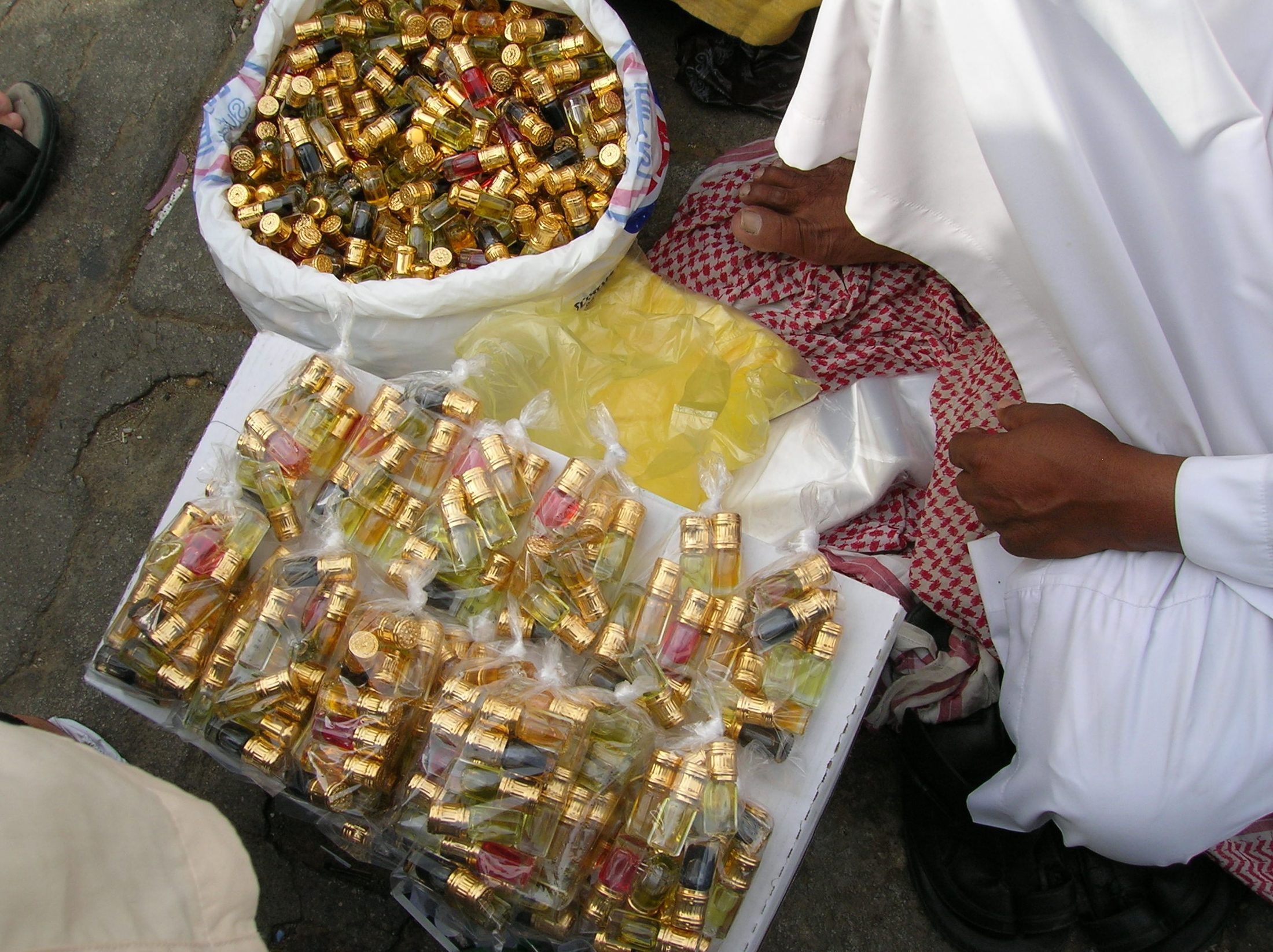
Attar, parfum, eau de parfum and eau de toilette: concentration is only part of the story
Nadia Shah · 8 Oct 2026


Readers
The conversation
0 notes
Anyone can leave a note. Guests add a name and email — no account required, and the email is never published.
No notes yet. Yours would be the first.