Best time to visit Hunza: choose the season by what you want to see
There is no single best month for Hunza. Blossom, long summer days, autumn colour and winter quiet are different trips, with different road, altitude and accommodation trade-offs.
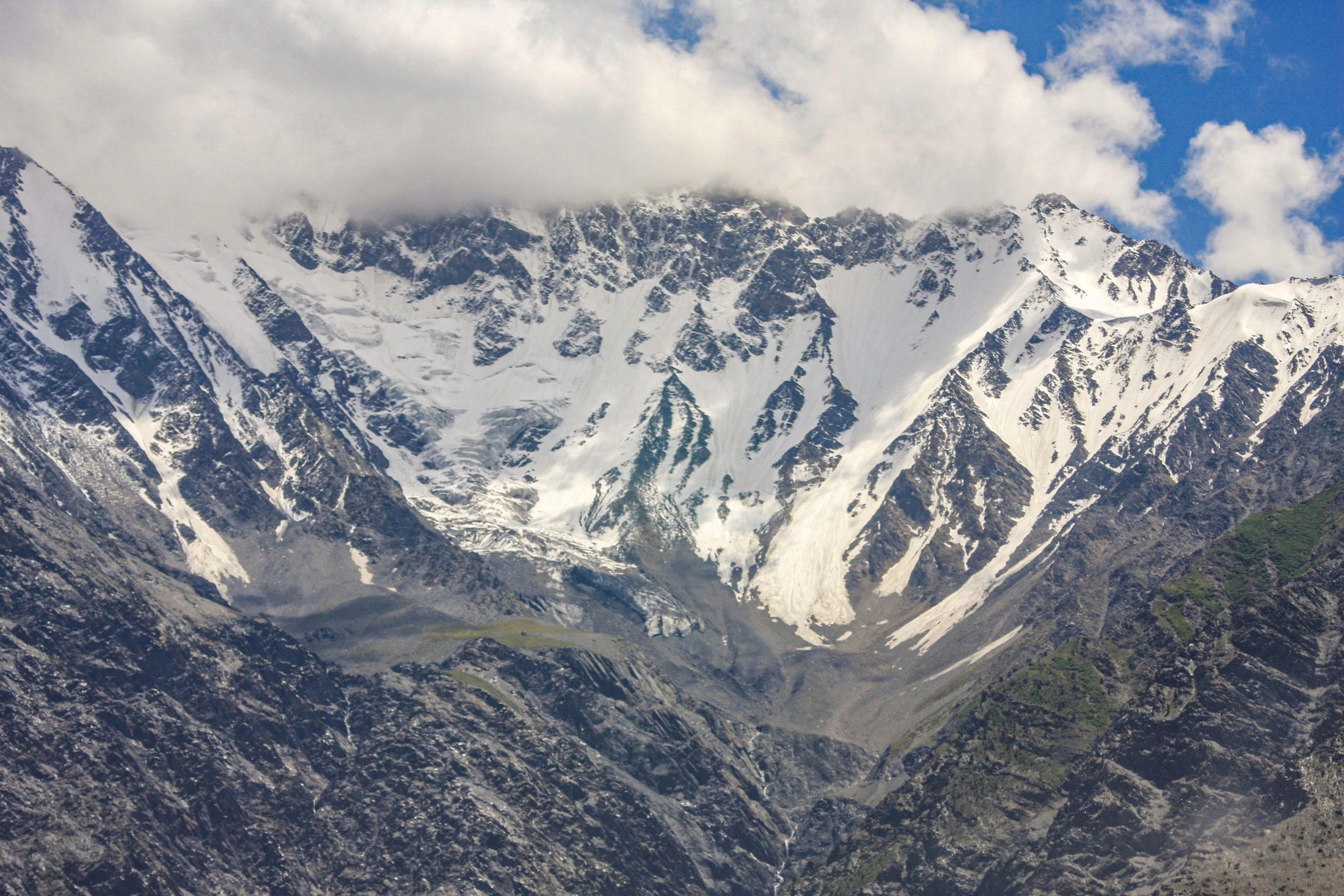
“What is the best time to visit Hunza?” sounds like a weather question, but it is really a priorities question. Blossom season and autumn are visually dramatic but short. High summer opens more mountain routes but brings more visitors. Winter gives you space and snow while taking away some easy road access, daylight and services. Pick the trip first; then pick the month.
Late March to April: come for blossom, bring flexibility
Spring is when apricot, cherry and other fruit trees can turn villages pale pink and white against still-snowy mountains. The exact bloom is not a ticketed event: temperature and elevation move it from year to year and from village to village.
Days can feel mild in sun and cold as soon as the light leaves the valley. Pack layers and do not build a tight itinerary around one predicted “peak blossom” date. Shoulder-season road and flight disruption needs slack in the calendar.
May and June: the generous middle
For many first-time visitors, late spring into early summer is the easiest compromise. Valleys are green, days are longer and more guesthouses and routes are operating, while the biggest domestic holiday crowds may be avoidable outside school breaks and Eid periods.
This is a good window for people who want forts, village walks, cafés, Attabad Lake and Passu without making high-altitude trekking the whole trip.
July and August: access improves, crowds and heat below the mountains increase
Summer is useful when your plans depend on higher roads, longer daylight or trekking seasons. It is also when popular northern routes can feel busiest. Karachi and Lahore may be punishingly hot on the same itinerary even while evenings in Hunza need a layer, so pack for the country rather than one destination.
Heavy rain and landslides elsewhere can affect approaches and connections even when the central Hunza valley itself feels dry. Never treat a mountain-road timetable as guaranteed.
September to mid-October: calmer days, then autumn colour
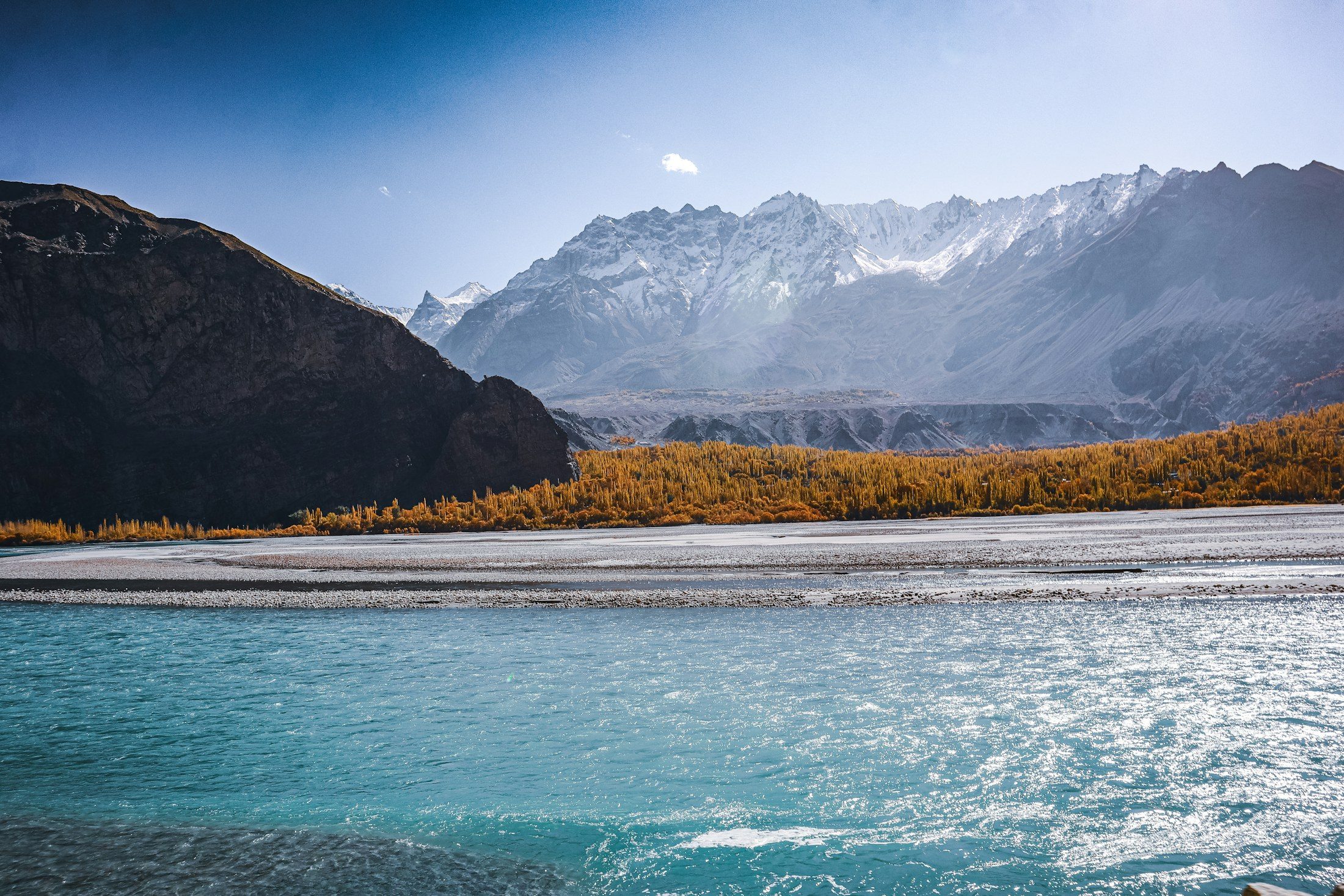
September often gives a comfortable bridge between summer access and autumn cold. By October, poplar and fruit trees shift towards gold, orange and red. Photographers love this period for a reason, but the colour moves with elevation and weather just as blossom does.
Evenings cool quickly. If you are travelling with older relatives or small children, ask the accommodation about heating rather than assuming a beautiful room is a warm one.
November to March: winter is a different product
Winter Hunza can be quiet and starkly beautiful. It can also mean colder rooms, shorter days, reduced opening hours and routes that are impractical or closed. Go because you want winter itself, not because a cheap flight made you assume the summer itinerary will still operate.
Three things to check immediately before travel
- Official travel advice: security advice and regional restrictions can change. UK travellers should read the live FCDO Pakistan travel advice rather than relying on an old itinerary.
- Road and flight conditions: confirm locally with your accommodation or transport provider close to departure.
- Altitude and health: build a sensible first day, hydrate normally and do not force strenuous plans simply because the landscape is inviting.
Hunza is not one postcard repeated across twelve months. Blossom, green summer, autumn and winter each change what the valley asks from you. The “best” season is the one whose compromises you are happy to travel with.
Start with the road and flight reality
Hunza is reached through a mountain transport system, not a fixed city timetable. Travellers commonly arrive via Gilgit or by road on the Karakoram Highway. Flights can be weather-sensitive, and road journeys can be slowed by construction, landslides or seasonal conditions.
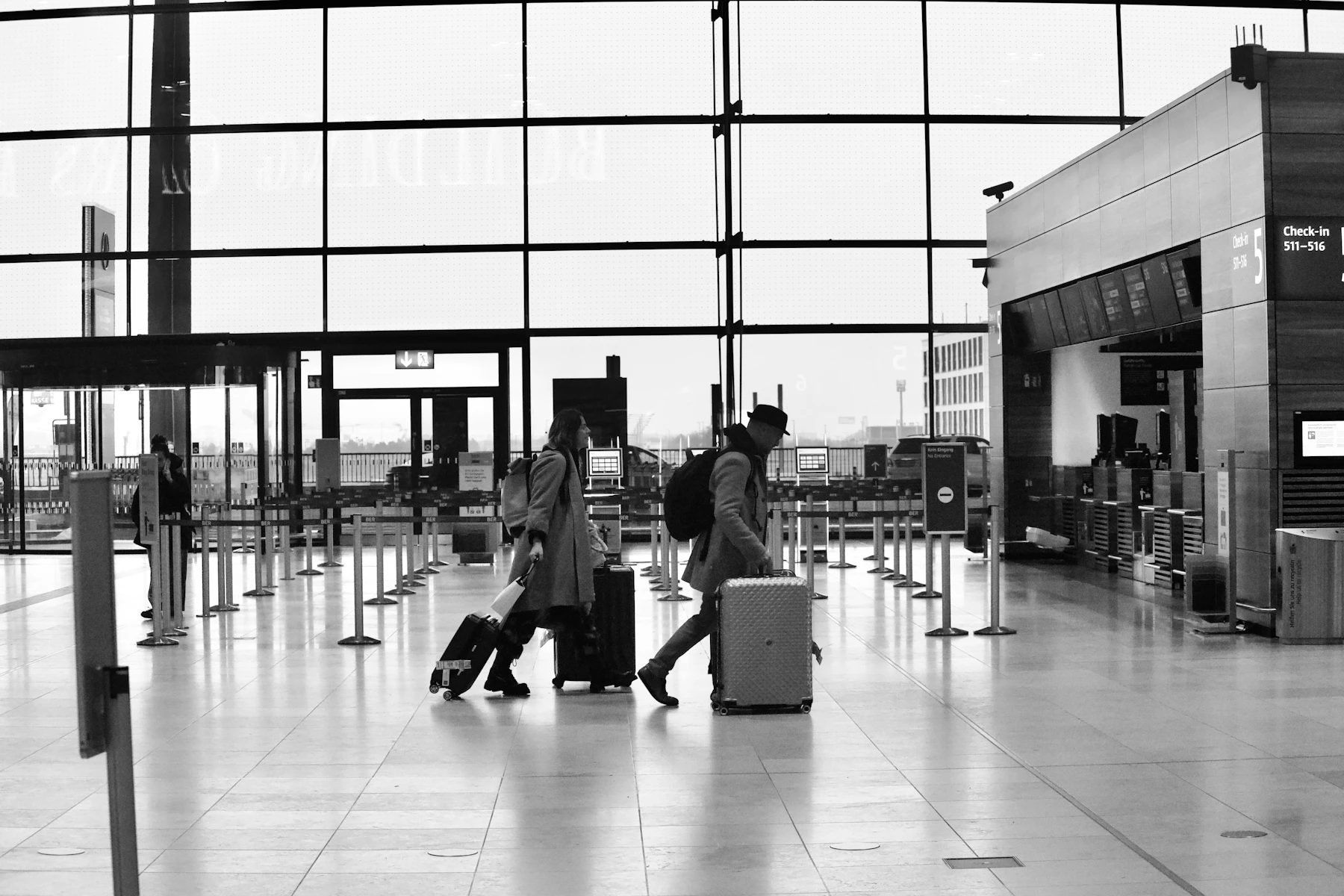
Build an arrival day that can absorb delay. If an international flight from Islamabad leaves the morning after you are due back from Hunza, your itinerary has no resilience.
Spring blossom is a moving target
Elevation and local temperature mean blossom does not peak everywhere on the same day. Lower villages may flower before higher areas. A cold spell can delay the season; a warm run can make it brief.
Book spring for the overall landscape—snowy mountains, fresh fields, quieter villages—and treat perfect blossom as a bonus rather than a guaranteed appointment.
Summer gives access but asks for crowd tolerance
Long daylight and more predictable access make June through August convenient for families and first-time visitors. It is also when domestic tourism can be busiest, especially around school holidays and public holidays.
Reserve popular accommodation earlier, but avoid filling every day with pre-paid activities. A flexible afternoon is useful when a road takes longer than expected.
Autumn colour moves through the valley too
October can be spectacular, with poplar, apricot and other trees turning gold and red. As with blossom, colour changes with elevation and weather. Later dates bring colder nights and shorter days.
Ask guesthouses whether heating is available and included. A sunny photograph does not tell you how a room feels at midnight.
Winter requires a different mindset
December to February can offer snow, quiet roads and dramatically lower visitor numbers. Some businesses reduce hours, high routes may be unavailable and water or heating systems can be less reliable.
Go because you want winter. Do not book a winter fare and expect to reproduce a July itinerary in a bigger jacket.
Altitude deserves a gentle first day
Hunza's settlements sit at elevations where some visitors notice breathlessness, headache or poor sleep. More serious altitude problems are associated with higher and faster ascents, particularly on treks.
Keep the first day easy, hydrate normally and avoid turning arrival into a hard hike. Travellers with medical conditions should seek individual advice before high-altitude activity.
What to pack changes by shoulder season
Layers are more useful than one giant coat. Bring sun protection all year, a warm mid-layer, wind-resistant outer layer and footwear you have already worn. In spring and autumn, expect a large difference between midday sun and evening temperature.
Use local advice for local roads
Official travel guidance gives the national safety picture; your guesthouse or reputable local operator can tell you whether a specific side road is open today. Ask both kinds of question.
For remote excursions, agree return time, vehicle type and what happens if weather changes. A scenic route should not depend on everybody pretending a landslide warning is inconvenient.
Match the season to the traveller
Families with small children often benefit from late spring or early autumn: comfortable days without the deepest winter cold. Photographers may prioritise blossom or autumn. Trekkers need route-specific season advice. Travellers who dislike crowds may prefer shoulder periods.
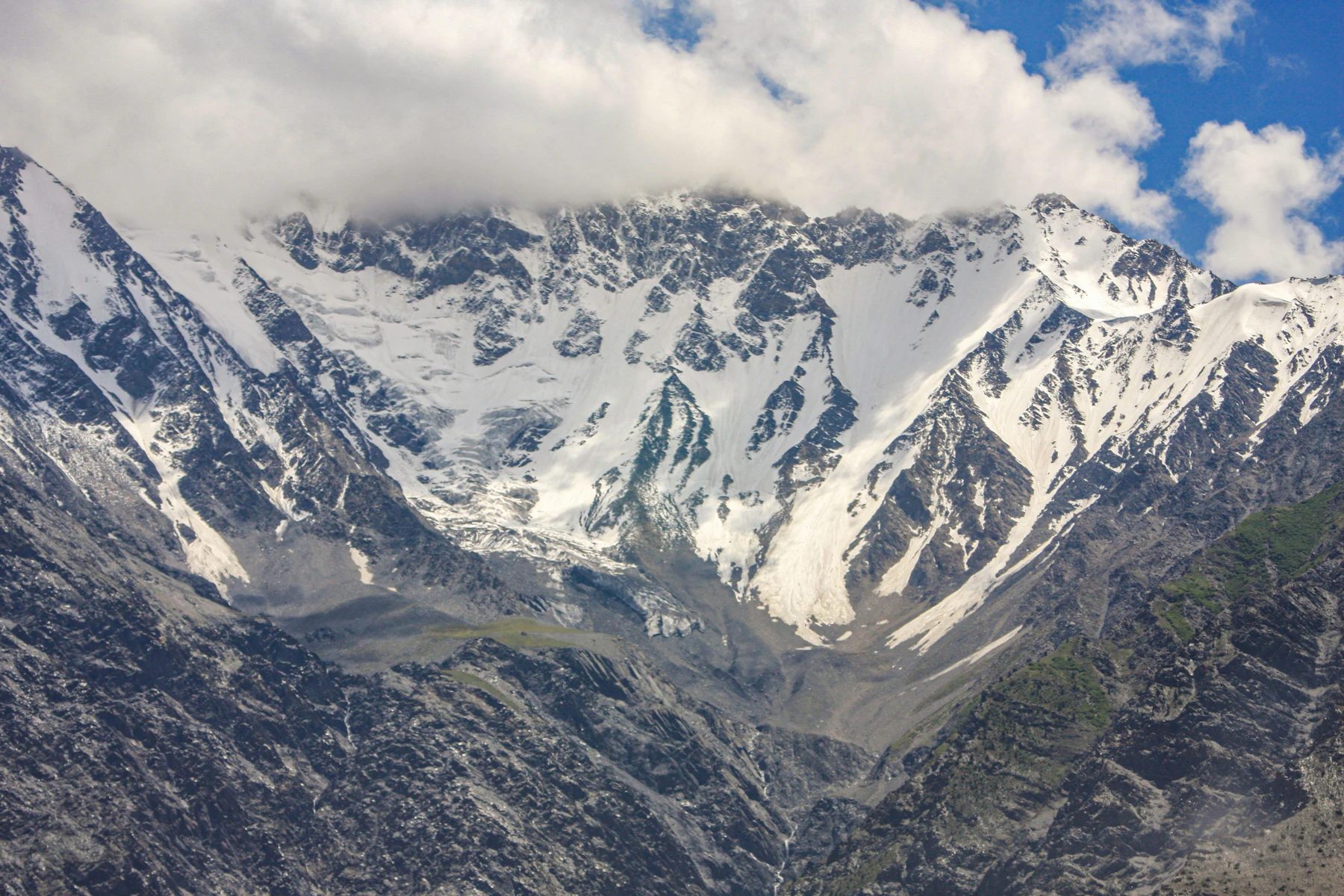
Give Hunza fewer checkboxes
Central Hunza, Altit and Baltit, Attabad, Gulmit and Passu can already fill several days without racing to every viewpoint. Travel times look short on a map and feel longer once stops, photographs and tea enter the day.
The best time to visit Hunza is not one universally correct month. It is the period when the roads, temperature, crowds and landscapes support the kind of trip you actually want, with enough flexibility that mountain weather is allowed to remain mountain weather.
Have a deliberately boring Plan B: Best time to visit Hunza
A backup plan should be simple enough to use while tired: one alternative hotel area, one trusted transport contact, one extra day of medication, one way to reach the airport if the preferred route fails. Complexity is not resilience.
The purpose of preparation around best time to visit Hunza is not to predict every problem. It is to make an ordinary disruption remain ordinary instead of allowing one missing document, closed road or dead phone to take over the trip.
Start with the part of the trip that can stop everything else: Best time to visit Hunza
identify the dependency that would make the rest of the plan impossible: a passport, visa, road opening, flight connection, document, insurance condition, working phone or confirmed transport. Resolve that before spending energy on restaurants and outfits.
With best time to visit Hunza as the focus, Travel planning becomes calmer when essential and optional decisions are separated. Put immovable requirements in one list, reservations with cancellation deadlines in another, and nice-to-have ideas in a third. When conditions change, you know what can move without threatening the whole trip.
Verify current rules close to travel: Best time to visit Hunza
Entry, identity, driving, mobile-device and transport rules can change. Use the official source linked in this article again shortly before departure rather than relying on a saved social-media post or what worked for a relative last year. The date of the advice matters as much as the advice itself.
Save a copy or screenshot of the relevant approval, booking or guidance where it is useful, but remember that a screenshot does not freeze the law. For consequential questions, the current official page should be the final check.
Build redundancy into documents and communication: Best time to visit Hunza
Keep essential documents accessible in more than one form: the original where required, a printed copy where useful, and a secure digital copy stored separately. Share the itinerary and key contact details with one trusted person who is not carrying the same bag.
If your phone is the boarding pass, bank, map, translator and emergency contact book, carry a charged power bank within airline rules and keep at least the accommodation address on paper. A good travel system assumes one device or connection may fail.
Plan for the slowest traveller in the group: Best time to visit Hunza
With best time to visit hunza as the focus, A schedule that is comfortable for a solo adult may be exhausting for a child, an older parent or somebody with limited mobility. Add toilet breaks, food, medication timing and realistic walking distances before deciding how many activities fit into a day.
Ask hotels and transport providers specific accessibility questions rather than “is it accessible?”: number of stairs, lift availability, distance from vehicle drop-off, bathroom layout and whether luggage help is available. Concrete answers are easier to plan around.
Money works best with a backup: Best time to visit Hunza
Carry more than one way to pay where practical. Cards, cash and local digital payments are not equally useful in every place. Keep a backup card separate from the main wallet and know how to contact the issuer if one is blocked or lost.
Leave time between mountain or long-distance travel and flights: Best time to visit Hunza
When an international flight matters, build a buffer after remote or weather-sensitive travel. The exact amount depends on route and season, but the principle is consistent: do not make the most failure-prone leg the final leg before a non-refundable departure.
Use both official and local information: Best time to visit Hunza
Official advice is best for legal requirements, national security information and health guidance. A reputable local host or operator is better placed to tell you whether a specific road, market or guesthouse access is working today. Use both levels instead of expecting one source to answer every question.
Protect health routines while travelling: Best time to visit Hunza
With best time to visit hunza as the focus, Carry essential medication in hand luggage, keep a medication list and allow for changes in meal, sleep and activity timing. Heat, altitude and long road days can affect people who normally manage well at home.
Travel insurance and medical planning matter most for problems you do not expect. If a health condition could make a remote itinerary risky, discuss the route with an appropriate clinician before travel rather than relying on a generic packing list.
Sources and official profiles
Filed under
Was this helpful?
Keep reading
Related stories
More from this desk, this beat, and the tags on this piece.
Landing in Lahore after midnight: an arrival plan for tired families
Mehreen Ali · 25 Oct 2026
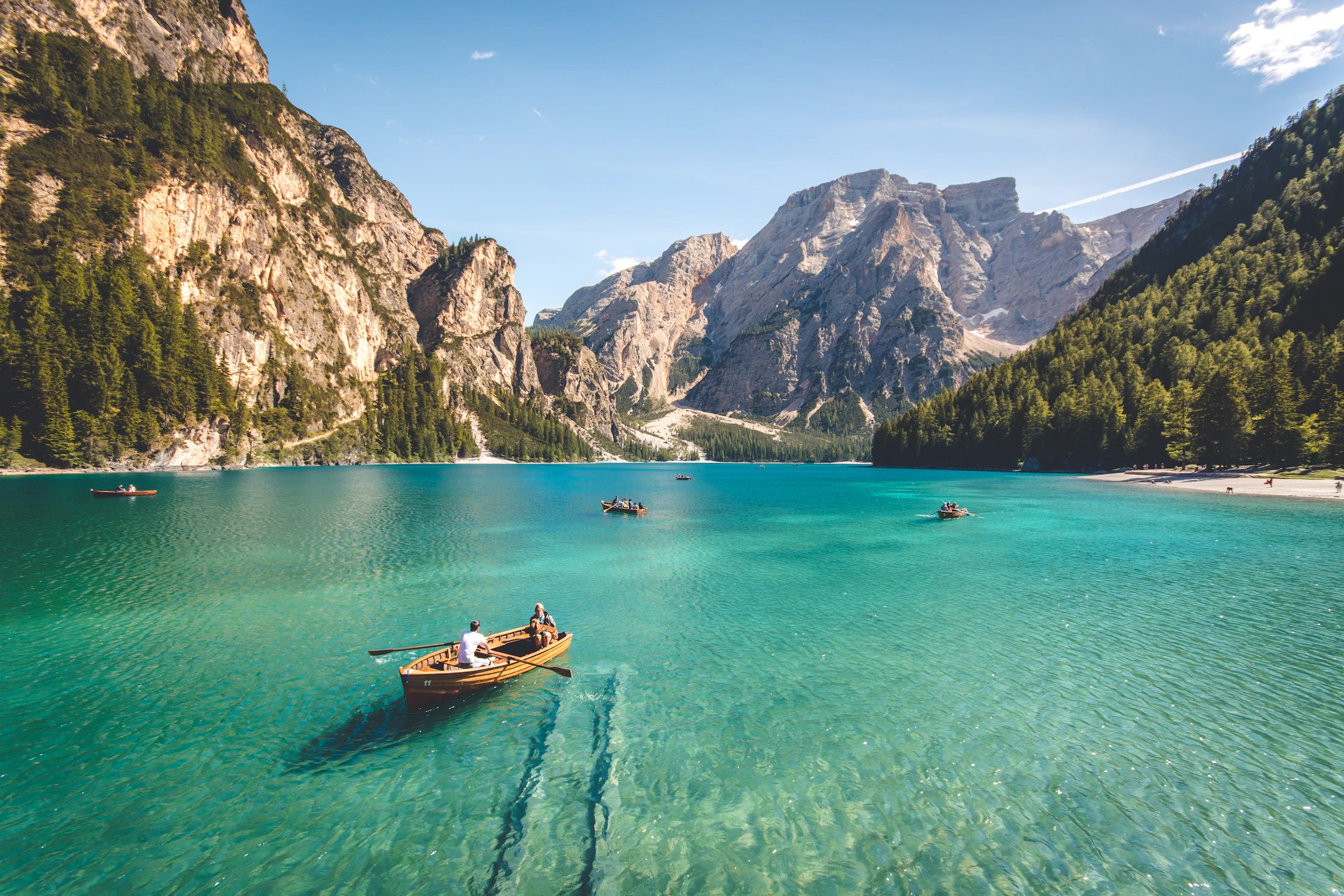
Driving in Pakistan with a UK licence: get the 1968 IDP before you fly
Mehreen Ali · 24 Oct 2026

Pakistan SIM and eSIM for visitors: sort your phone before the airport taxi
Mehreen Ali · 24 Oct 2026
Renewing a Pakistani passport from the UK: what the online route can handle
Mehreen Ali · 21 Oct 2026
Readers
The conversation
0 notes
Anyone can leave a note. Guests add a name and email — no account required, and the email is never published.
No notes yet. Yours would be the first.