Baking
A loaf, a tandoor, and the bakeries Lahore still uses
Between the neighbourhood tandoor and the boxed loaf is a Lahore that still eats bread as a habit—naan, rusks, and school-bag sandwiches in one week.
By Hassan Raza
Food editor
7 min read
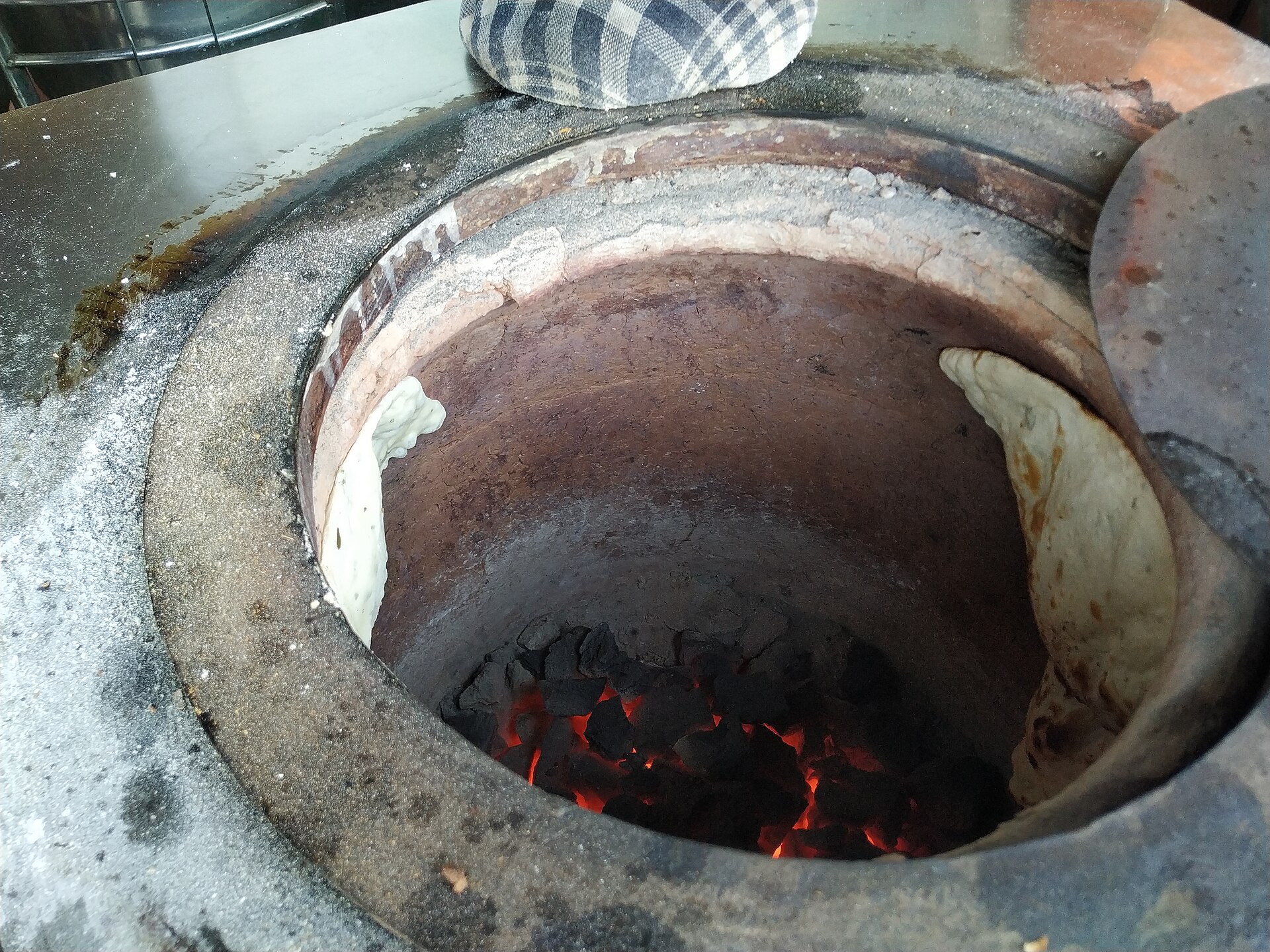
Lahore still has a tandoor you can walk to with a cloth on your head, and a bakery counter that will sell you a sliced loaf for a school bag. Both are the city’s bread. Pretending the tandoor is only a heritage experience and the loaf is only a failure is a food-writer tic. People use both in one week: naan with nihari, a sandwich before tuition, sheermal when someone is recovering. The map is not a war. It is a rotation.
The tandoor is infrastructure
A good neighbourhood tandoor is closer to a utility than to a restaurant. You bring dough or you buy theirs. You wait with people who are not performing breakfast for a camera. The naan that comes out too pale was rushed; the one that comes out too dark was punished. In between is the city’s actual bread.
Pay the boy. Remember the closing day—many tandoors shut for a family wedding or a mourning and reopen without a press release. Do not film the oven as if you discovered fire. Attention that turns a working oven into a content stop often pushes the regular queue into cars and further distances. That is how infrastructure dies of admiration.
Ichhra, old neighbourhood lanes near the Walled City, and residential pockets across Model Town or Johar Town all have their own morning rhythms. Name your tandoor by the street and the day it rests, not by a viral reel. If you are visiting, go early, stand in the queue, and take what the oven is making that hour rather than demanding a staged variety for a photograph.
What the queue teaches
Watch how regulars order: a count of rotis, whether dough is their own, whether they wait for the darker edge. The queue is a timing instrument. If you arrive when the oven is cooling for a break, you will invent a story about decline that is really a lunch pause. Infrastructure has shifts.
The loaf, without contempt
Sliced bread is how a lot of Lahore mornings actually start when the tandoor is far and the school run is not. Toast, omelette, jam from a tin. Mocking the loaf is easy if you do not have to pack four tiffins. Buy bread baked that day when you can. The supermarket loaf engineered to last a week has a job in a hostel fridge; it should not be the only bread a child meets.
Home baking in Pakistani kitchens is often a lockdown habit that stayed: a simple dough, a pan, a fan oven that may or may not be level. People bake on Sundays because the tandoor near them shut for a function. That is not cottagecore. That is a supply chain with a wedding calendar. If you bake, bake something the house will finish. A starter that becomes a personality is how bread turns into content. Lahore already has enough content.
When you cool and store home-baked loaves or leftover naan, use ordinary food-safety sense: cool promptly, keep covered, and reheat until steaming hot rather than leaving damp bread sealed warm. The UK Food Standards Agency’s guidance on chilling food safely and cooking your food is written for British kitchens, yet the physics of warm centres and reheating once travels well as a caution for any household fridge—including a Lahore flat where a Sunday bake meets Monday lunchboxes.
Bakeries that still behave like bakeries
Lahore’s bakery counters still sell rusks that outlive soft trends, cakes that are too sweet and exactly right for a birthday, and a bun kebab that never needed a grid. Go in the morning for what is good; go in the afternoon for what is left. A famous name travels; the neighbourhood bakery without a billboard often bakes the better rusk. Taste. Do not collect brands.
For Eid or a school celebration, buy what will be eaten with chai by late afternoon, not what photographs best at eleven in the morning. Fondant is a gift for a camera. Custard and rusk are gifts for a person. If you are ordering a large cake, ask when it was finished and how it should be stored in heat; a box left in a car on The Mall will rewrite the icing faster than any review.
- One tandoor you can name, with a closing day you respect.
- One loaf for the mornings the tandoor cannot reach.
- One bakery for rusks and ordinary cake—not for a photoshoot centrepiece.
Sheermal, kulcha, and the breads that mark a week
Not every oven day is naan day. Sheermal appears when someone is recovering or a gathering wants a sweeter bread. Kulcha and other stuffed breads belong to specific shops and hours. Learn the calendar of your neighbourhood rather than treating “Lahore bread” as one interchangeable disc. The city’s bread culture is a set of timed habits, not a tasting menu.
Street bun kebabs and bakery bun kebabs solve different hungers: one is heat and spice in the hand; the other is a softer counter product for a quieter afternoon. Neither needs to be ranked. Both need to be eaten while the bun still has a job to do.
A visitor’s etiquette that keeps the oven working
If you are returning to Lahore after years away, do not treat the neighbourhood tandoor as a museum stop. Buy what you will eat. Tip fairly. Ask before photographing people at work. The Walled City and older lanes repay walking with appetite, not with a content plan that turns labour into backdrop. For orientation to the historic core as a living district rather than a set, public pages from the Walled City of Lahore Authority are a better first read than a restaurant influencer’s “hidden gem” caption—then still buy bread from the oven that serves the street you are standing on.
Carry a cloth or bag that can handle heat. Do not demand packaging theatre from a business that moves bread faster than plastic. If the oven is closed for a wedding, take that as information about the city’s social calendar, not as proof that “real Lahore” is vanishing.
What to stop calling artisan
“Artisan” arrived with a markup. A tandoor naan is not artisan; it is a job. A home loaf is not artisan; it is Tuesday. Save the word for someone actually doing something unusual with grain—and then ask whether the unusual thing tastes better than the naan you already had. Often it does not. Often it only photographs better.
Tourist language also flattens class. A domestic worker’s early tandoor run and a Gulberg brunch croissant are both Lahore bread stories; pretending only one is authentic is a magazine habit, not a map. Keep the tandoor on the map. Keep a loaf in the house. Let the bakery be a bakery. Keep a short household list if you like systems: the tandoor’s rest day, the bakery that still sells yesterday’s rusk cheaper in the afternoon, and the shop whose loaf lasts until Tuesday without becoming an experiment. Bread in Lahore is still a morning, not a personality—and the morning still starts before the photographer is awake.
Sources and official profiles
Keep reading
Related stories
More from this desk, this beat, and the tags on this piece.
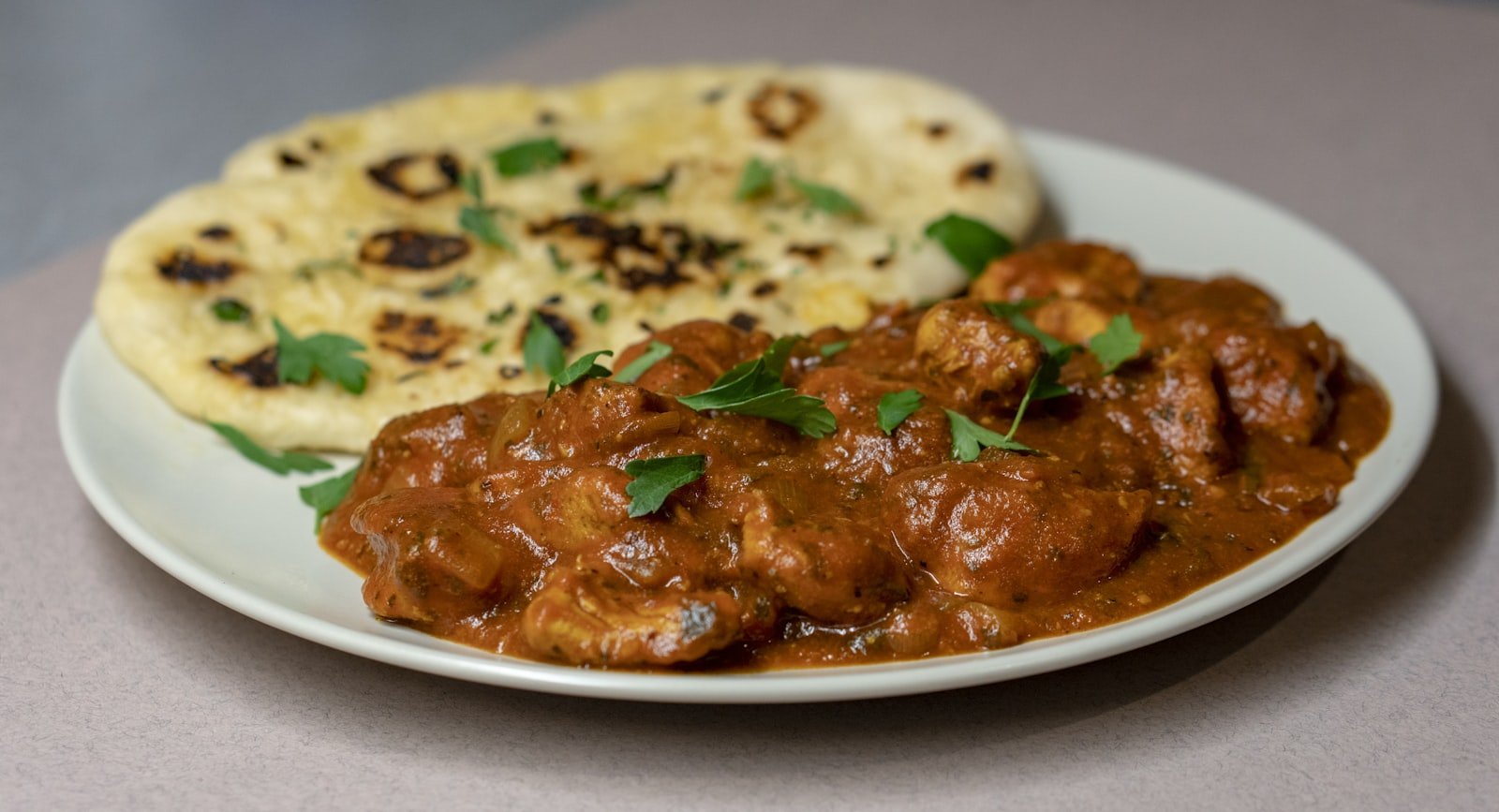
How to eat at a Lahore tandoor without turning it into a café
Hassan Raza · 11 Sep 2026 · 5 min
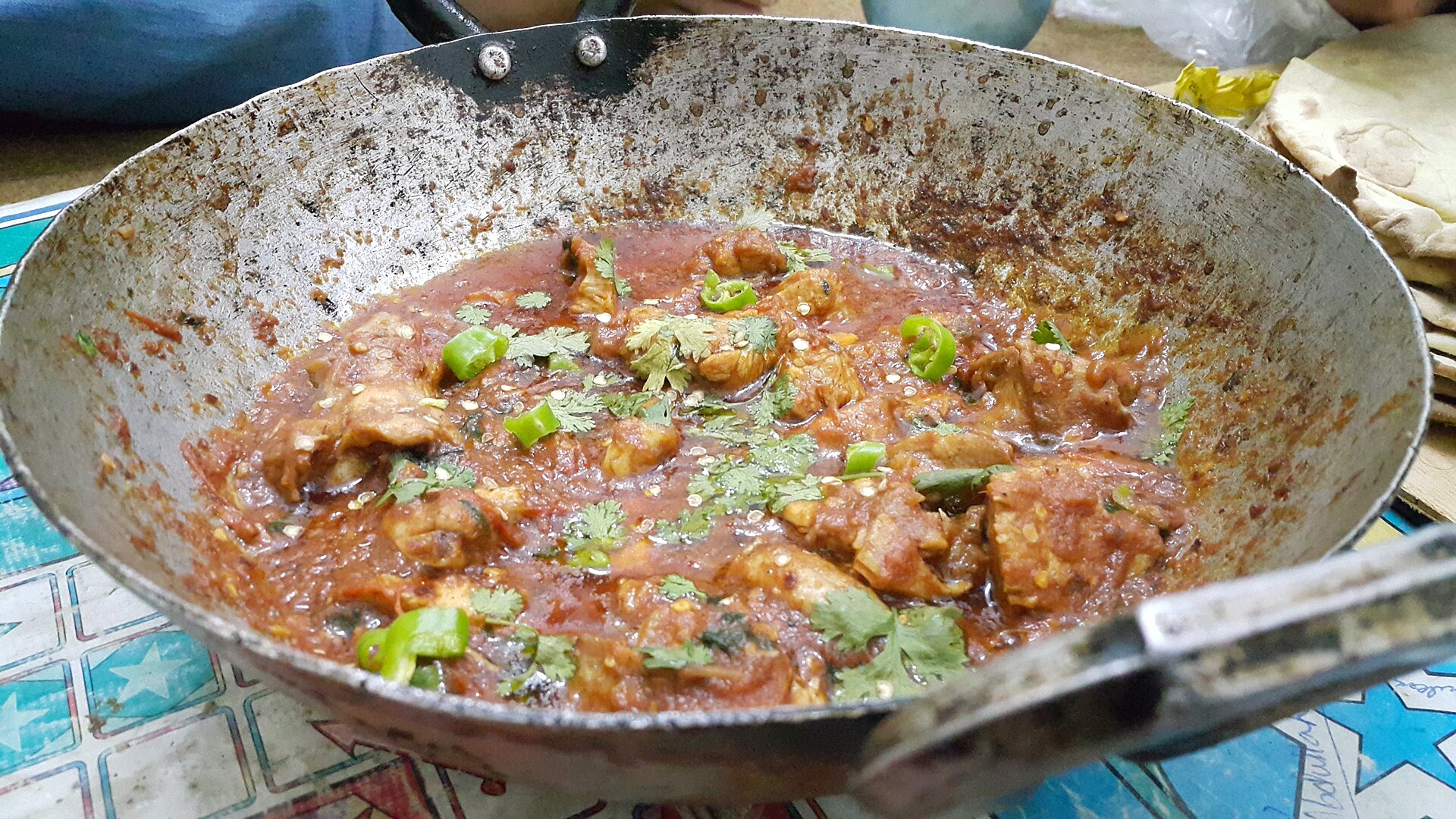
Sheermal at home: enriched dough without turning it into cake
Hassan Raza · 13 Sep 2026 · 16 min
Readers
The conversation
0 notes
Anyone can leave a note. Guests add a name and email — no account required, and the email is never published.
No notes yet. Yours would be the first.