Baking
How to eat at a Lahore tandoor without turning it into a café
Standing at a tandoor in Lahore: when to arrive, how much bread to take, and why the oven is a kitchen rather than a brunch room.
By Hassan Raza
Food editor
5 min read
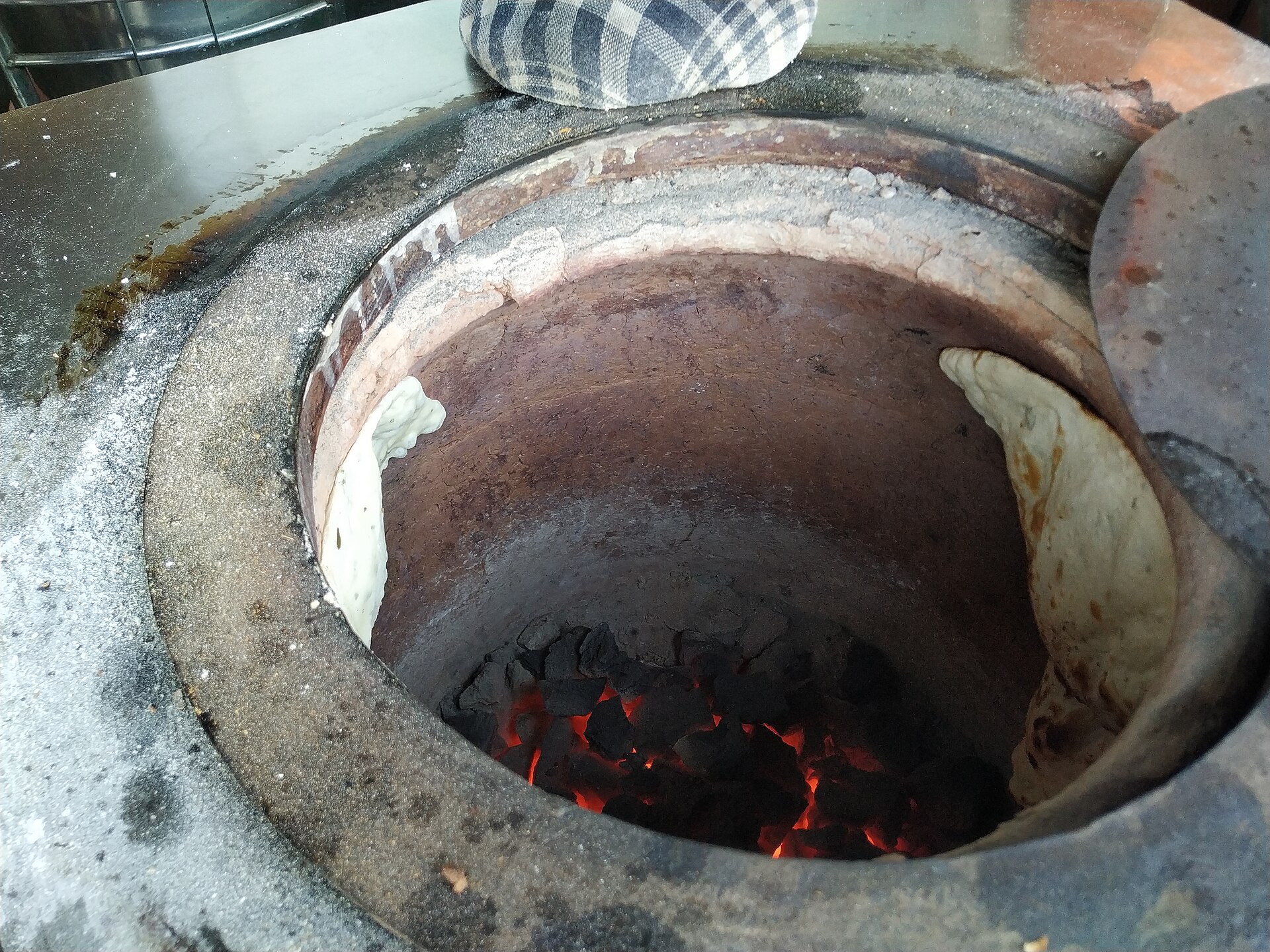
A tandoor at the edge of a Lahore mohalla is a kiln with a queue. It is not a café that happens to own an oven. People come because the bread is ready at the hour the neighbourhood eats, because the heat is someone else’s labour, and because a stack of naan will feed a table that is already cooking salan at home. If you arrive looking for avocado lighting and a place to open a laptop, you have the wrong address. If you arrive hungry and willing to stand, you are in the right one.
The tandoor does not owe you a table. It owes you bread that was in the fire while you waited, and a price that assumes you will leave.
— PakStyles food desk
The tandoor is the kitchen, not a café concept
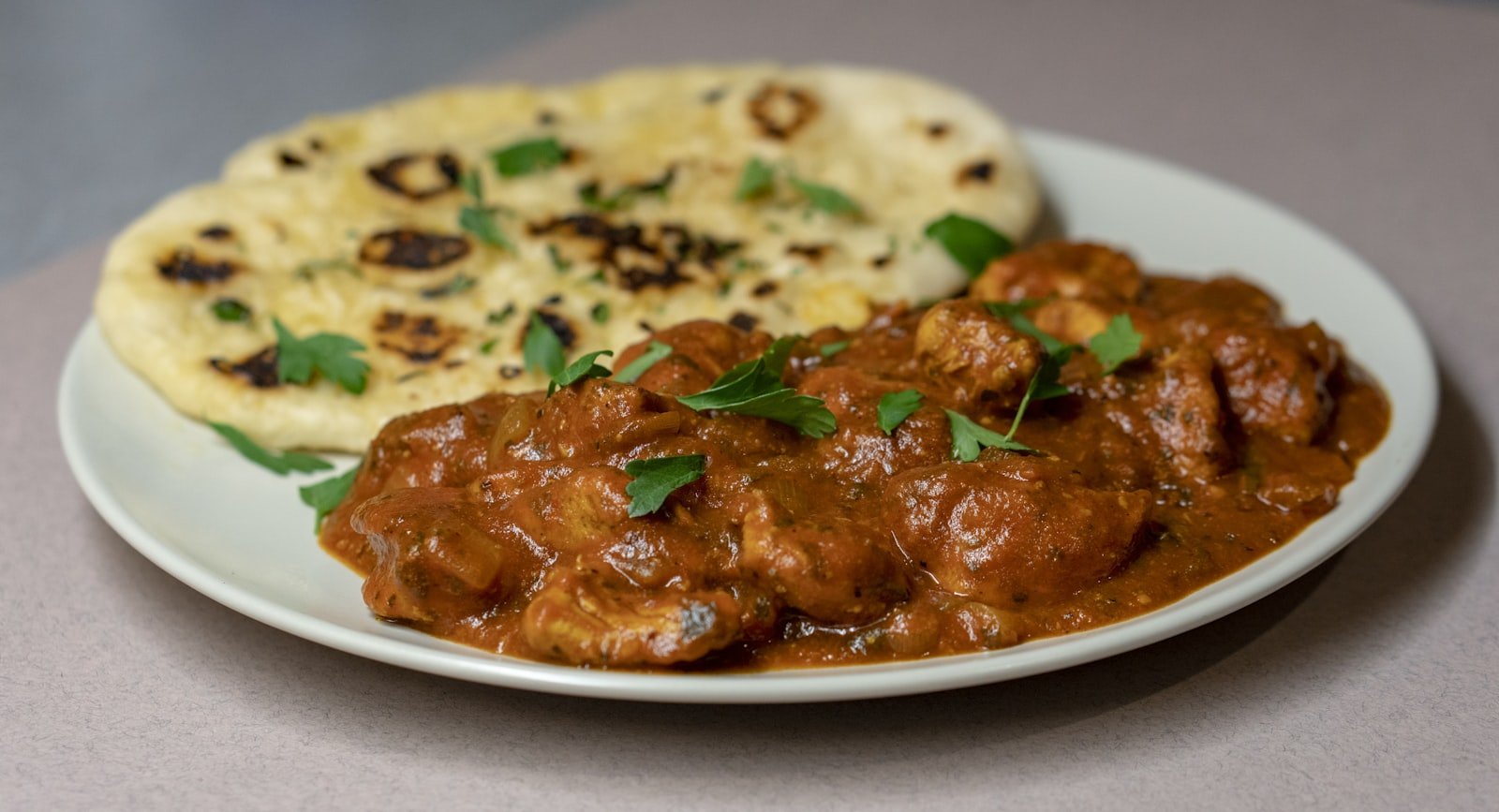
Watch the baker before you speak. The oven has a rhythm: dough resting, the slap onto the wall, the hook, the stack. Your job is to say a number and a type — roti, naan, rogue, a sweet sheermal if they make it — and to take what comes while it is still breathing steam. Do not ask for a “tasting flight”. Do not ask them to hold a table. Many shops have a bench because the neighbourhood sits for five minutes, not because they have pivoted to hospitality.
If the room also sells qeema, channa, or nihari, that is a second business sharing heat. It can be a breakfast. It is still not a restaurant you reserve. Eat standing or on the bench they indicate. Pay when they ask. The Punjab Food Authority is the public body for hygiene complaints in the province; a filthy stack or a floor you would not want bread to touch is a reason to walk to the next oven, not to leave a one-star essay. Other people’s dinner is in that queue behind you.
Arrive when the oven is working for other people
Tandoors run for the neighbourhood’s meals. Early morning and late afternoon into night are the honest hours. Midday can be a dead oven or a leftover stack. If you want bread for a dinner at home, go when families go. If you want a quiet photograph of an empty kiln, you wanted a museum. Live ovens are hot, cramped, and a little dangerous. Keep children back from the pit. Do not lean in with a phone over the baker’s shoulder.
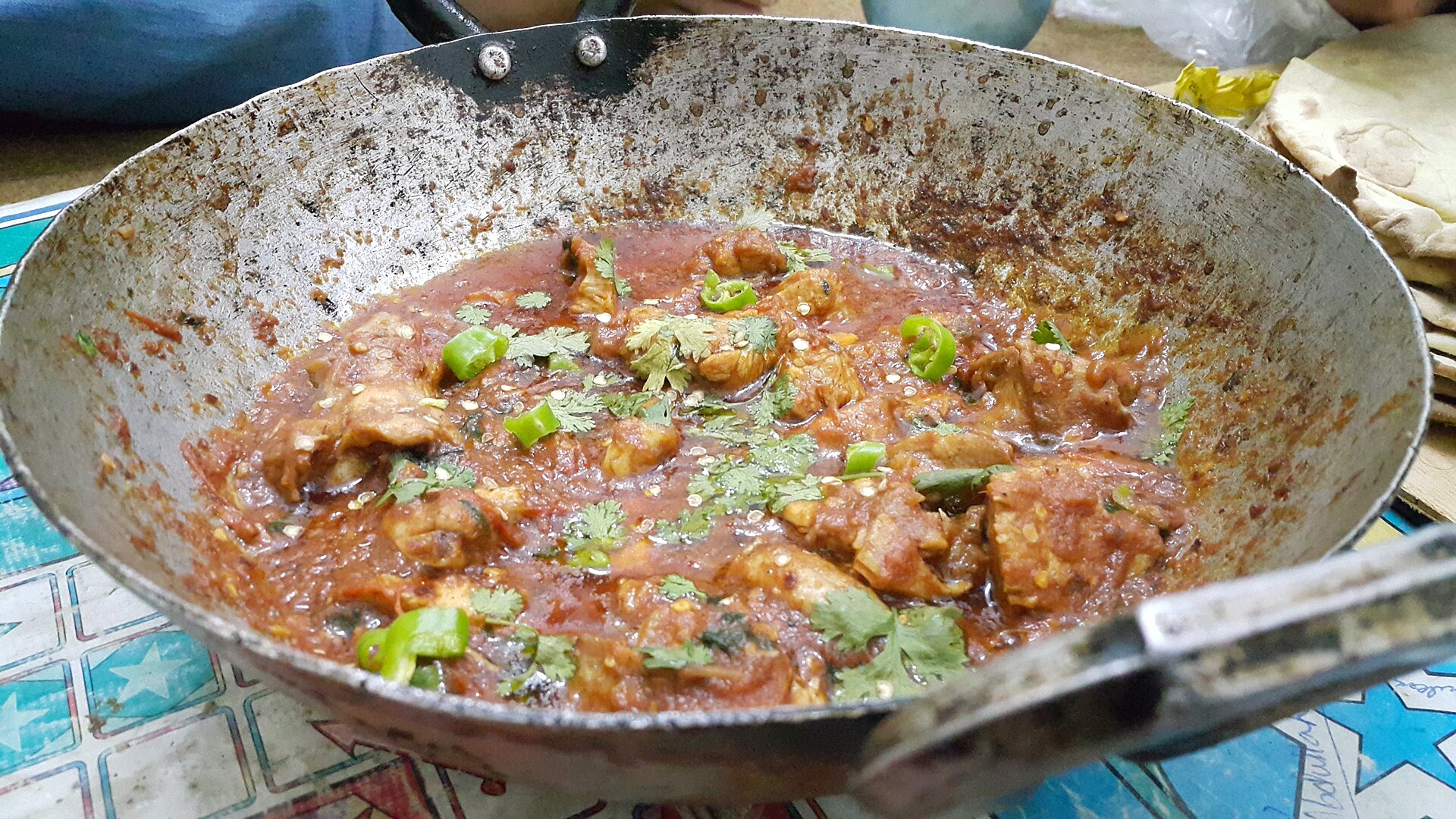
Count what you can carry. Naan cools into leather in a closed bag, and a dozen for two people is how bread becomes tomorrow’s regret. Buy what tonight’s salan needs, plus one extra for the person who always eats more. If you are feeding six at home, you already know from the karahi arithmetic: waves beat towers. A second short queue is kinder than a cold pile.
Bread is a tool for the rest of the table
Tandoor bread exists to lift gravy, wrap kebab, and be eaten within the hour. It is not a sourdough project and it is not a gluten essay. If you need a labelled loaf for a medical diet, this shop may not be able to help you, and you should not demand that it become a clinic. If you simply want good naan, watch for even blistering and a rim that still bends. Pale, thick, oily discs that taste of raw dough were rushed or the oven was cold. You can say so once. You cannot redesign their fire.
Eat something with the bread if you are staying five minutes: a plate the house already makes, tea from the next stall, pickles if they are covered. Do not unpack a picnic on their counter. Do not film workers as folklore. A baker who lets you look is being generous with a workplace. Return the favour by being a customer.
What a baker’s shop is not
It is not a brunch reservation. It is not a date concept unless both of you like standing. It is not a place to argue politics at volume in a room full of people picking up dinner. It is not a substitute for learning to heat leftover roti at home so you do not waste what you bought. Take the bread home to a salan, or eat it hot on the spot. Those are the two good endings.
Lahore has fancy rooms that serve naan on a stand with tongs and a story. They have their uses. They are not this. The mohalla tandoor is infrastructure. Use it the way the street uses it, and it will still be there when your guests come. Use it as a set, and you will be in the way of someone who actually needed bread.
- Go at meal hours, buy a number, take the heat.
- Stand where they stand; do not invent a table.
- Carry only tonight’s bread.
- Leave the baker a customer, not an extra in your story.
A Lahore tandoor is a public oven with a queue. Arrive when it is firing, say how many, eat or carry, and get out of the way. The bread is the point. Everything else is furniture you brought in your head.
Sources and official profiles
Filed under
Keep reading
Related stories
More from this desk, this beat, and the tags on this piece.
Sheermal at home: enriched dough without turning it into cake
Hassan Raza · 13 Sep 2026 · 16 min
Readers
The conversation
0 notes
Anyone can leave a note. Guests add a name and email — no account required, and the email is never published.
No notes yet. Yours would be the first.