Islamabad as a walking city
How to move through Islamabad on foot: sector logic, trail mornings, shaded errands, and hours before the sun argues—without turning the capital into a hike brag.
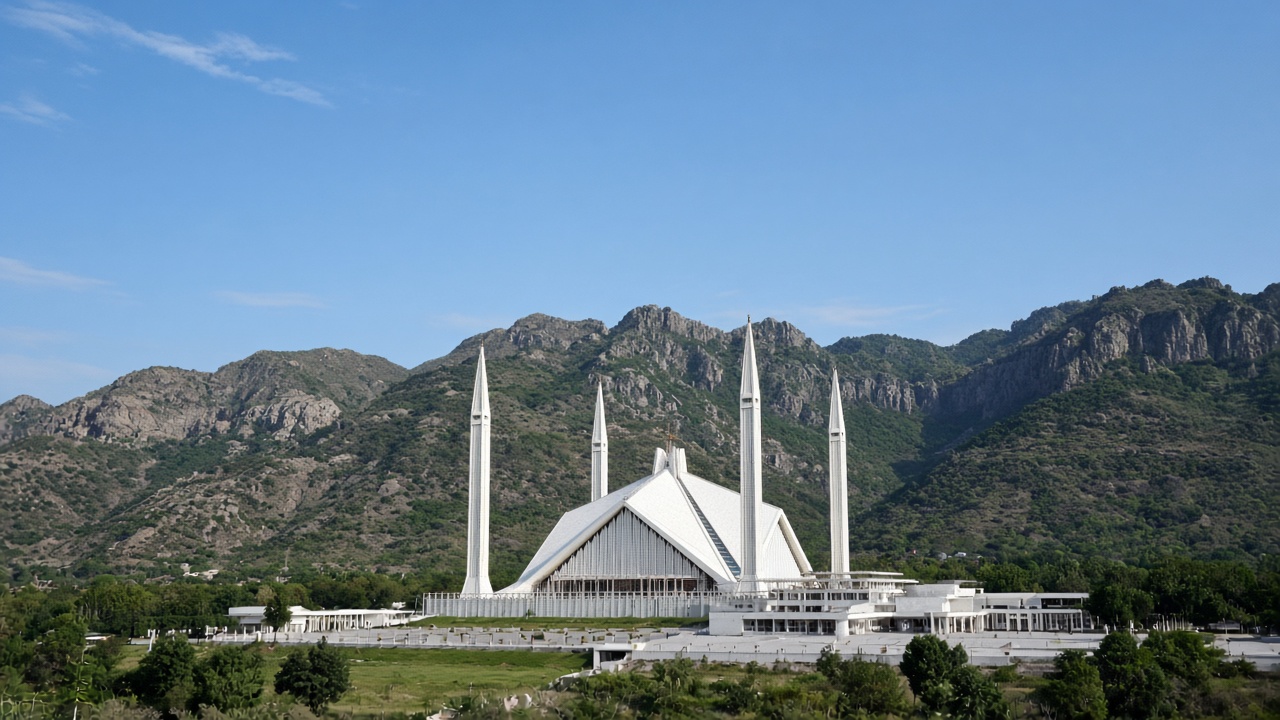
Islamabad was planned with cars in mind more often than with the pleasure of errands on foot—yet it remains one of the few Pakistani cities where a morning walk can be a complete outdoor life: sector greens, diplomatic-enclave edges, and Margalla trails twenty minutes from breakfast.
Treat it as a walking city in practice, not as a claim that every avenue has continuous shade. The skill is choosing hours, sectors, and loops that match heat, security habits, and your knees.
Advice, sectors, and ordinary caution
FCDO Pakistan advice notes a significant security presence in Islamabad and urges caution in outlying districts such as I-8 through I-11 and areas further west, where operations against crime and terrorism have occurred. It also advises avoiding protests and crowded focal points that have drawn demonstrations. Build walks that stay boring in the best sense.
Residents already know which nullah paths feel comfortable at which hours. Visitors should take local host advice over a random GPS loop through an unfamiliar industrial edge after dark.
The capital’s pedestrian grammar
Sectors are the grammar. A walk that stays inside a familiar sector—F-6, F-7, G-6 pockets, markaz errands—can include shops, mosques, and breakfast without a car. Crossing multiple sectors on foot in July midday is a different sport. Map shade: tree cover, building shadow, and the side of the road that loses sun first.
Rawalpindi is adjacent and denser; mixing the two cities in one “Islamabad walk” without planning transport home is how people end up negotiating a late rickshaw they did not budget for.
| Walk type | Best hour | Watch for |
|---|---|---|
| Sector errands | Early morning / late evening in heat | Shade gaps; crossing arteries |
| Park loops | Dawn; winter afternoons | Weekend density; litter |
| Margalla trails | Dawn | Heat; loose stone; monkeys; crowds |
| Markaz window shopping | Evening | Parking chaos spilling onto pavements |
Trails without the hike brag
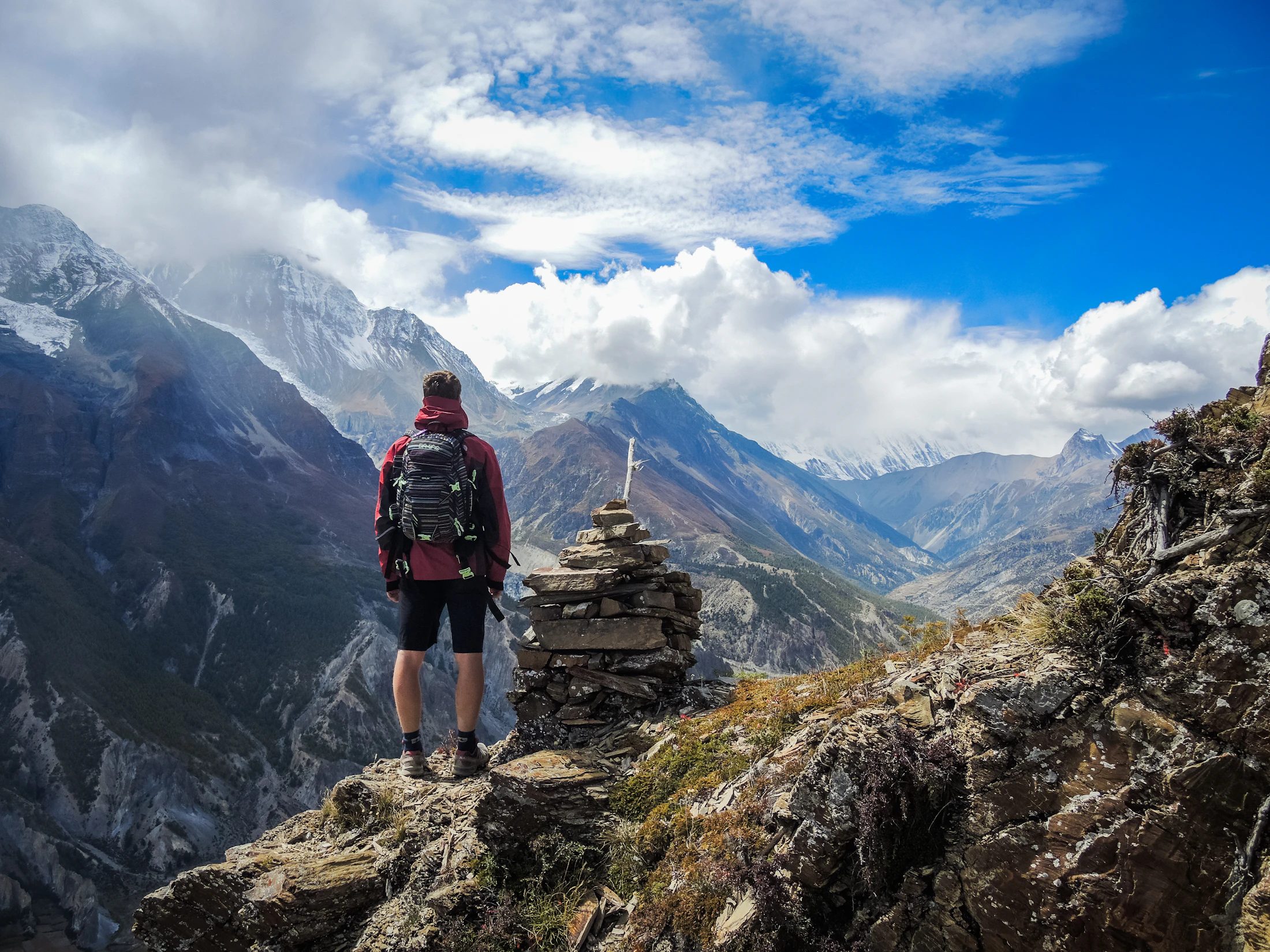
Margalla trails are public infrastructure. Use them with water, grip shoes, rubbish carried out, and a plan to be down before heat and weekend crowds. A trail morning plus a sector afternoon is a full day; a trail morning plus five viewpoint boasts is a content plan.
Capital civic information often routes through the Capital Development Authority. Check for park notices, closures, and access changes rather than assuming last month’s gate still opens the same way.
Monkeys, loose stone, and sudden fog are ordinary trail facts, not adventure badges. Keep food sealed. Do not feed wildlife for photographs. Turn back when the path feels wrong; the capital will still be there tomorrow.
Errands as training
Islamabad rewards replacing short car hops with walks when heat and safety allow: bank, bakery, bookstore, Friday prayer if the mosque is near, a meeting in an adjacent sector. Carry a tote. Wear shoes that forgive gravel. Cross at places drivers expect pedestrians—optimism is not a crosswalk.
Count accumulated walking across the day rather than only formal “workouts.” NHS activity guidance supports regular movement; errands can supply part of it without a track suit.
Build three personal loops: a twenty-minute sector errand loop, a forty-minute park loop, and a dawn trail loop you attempt only when sleep and weather agree. Rotate them across the week instead of inventing a new heroic line every morning. Familiarity makes pedestrians safer; novelty makes them stare at phones in intersections.
Heat, smog, and the days you stay in
Summer heat and occasional air-quality episodes make hero mileage foolish. WHO heat and health advice applies: shorten outdoor work in peak heat, hydrate, protect vulnerable walkers. On bad air days, indoor strength and corridor walks are not failure.
Rain turns some paths slick and some underpasses into streams. Carry a light layer in spring. Islamabad weather changes mood faster than Karachi’s sticky consistency; check the morning, not only the weekly forecast screenshot in a family group.
Invite a walking partner for the loops that need company. Cancel without guilt when heat warnings or air quality make outdoor effort unwise. The walking city is a habit with exceptions—not a purity cult.
Social walking without performance
Walking clubs and informal dawn groups exist. Join ones that match your pace and safety needs. Do not film strangers. Do not treat domestic workers walking to jobs as pastoral scenery. Offer salaam; keep moving.
Visitors should ask hosts which markaz feels comfortable after dark and which nullah shortcut to avoid. A capital can look gentle on a satellite image and still contain edges you should not invent alone. Boring routes are underrated. So is the taxi home when the sun wins.
Carry water even on short plans. Tell someone your timing on longer trail mornings. Prefer written confirmations for membership freezes or park event closures over voice notes that vanish.
If children or elders are with you, shorten distances and lengthen rests. If you are solo, choose routes and hours that match your safety constraints rather than a stranger’s highlight reel. If you are recovering from illness or injury, get clinical advice before copying any training template.
What a walking week can look like
Two dawn sector loops, one park afternoon in cooler months, one Margalla morning when you slept, and errands that leave the car parked three times: that is already a capital week with legs in it. Add a markaz evening only when heat has broken. Skip the week that tries to “do Islamabad” as a hike CV.
Leave places better than the stereotype expects: rubbish packed out, photographs limited to what was welcomed, pavements shared without blocking motorcycle lanes for a selfie. Islamabad as a walking city is a practice: repeated ordinary loops, trail mornings when they fit, errands that leave the car parked, and the humility to take a ride when the sun argues. The capital does not need you to conquer it on foot. It needs you to use the hours when walking still makes sense.
Editorial freshness for time-sensitive claims on this page was checked around 17 September 2026. Recheck live official sources before you treat any advisory, road status, or health guidance as current.
Pavements, crossings, and the capital’s unfinished pedestrian contract
Islamabad’s walking promise breaks most often at crossings and shade gaps, not at a lack of scenic photographs. Prefer routes where drivers expect pedestrians. Avoid darting across fast arteries because a map showed a shorter line. A capital planned for cars will punish optimism faster than it punishes a slightly longer shaded loop.
Diplomatic and secure zones can look walkable and still carry access rules that change without a tourist memo. Follow posted instructions. Do not treat barriers as aesthetic. If a host says a stretch is uncomfortable after dark, believe them over a fitness app streak.
Combine errands deliberately: bakery plus bank plus mosque on one loop beats three separate car trips that recreate the same heat exposure. Carry a foldable tote. Wear shoes that forgive gravel and sudden wet patches after rain. Keep headphones low enough to hear a horn; the walking city still shares space with vehicles that were never designed around your playlist.
Winter afternoons can reopen park loops that summer closed. Fog and early dark change the calculus again. Rebuild the week’s loops by season rather than forcing a July template into December. The pedestrian grammar stays; the timetable does not.
On trail mornings, pack out every wrapper, including other people’s if you can do so safely. Margalla infrastructure survives when walkers refuse to treat it as a free set. Down before heat. Water before thirst. Turn back without a speech when the path or the weather turns. That is not quitting. That is how a walking city stays available tomorrow.
Visitors versus residents: two different walking briefs
Residents can accumulate quiet sector kilometres across a week. Visitors often try to compress Margalla, markaz, and a scenic drive into one exhausted day. Split them. A dawn trail and a late breakfast is a complete visitor morning. A sector errand loop with a host is a complete visitor afternoon. The taxi between them is not a moral failure; it is how heat and security habits stay adult.
Ask before photographing domestic workers, construction crews, or anyone who did not consent to become capital scenery. Salaam, keep moving, leave no wrappers. Islamabad’s walking culture stays soft when newcomers treat pavements as shared infrastructure rather than a backdrop for a fitness identity.
Rebuild loops after rain: some nullah edges become streams, some underpasses hold water, some park paths turn slick. Carry a light layer in spring. Check CDA notices when gates and park access change. Count the week’s walking as accumulated errands and one deliberate loop—not as a single heroic distance that has to look impressive on a phone. The capital rewards repetition more than conquest.
Shade maps and the afternoon you should refuse
Before summer errands, notice which side of a road holds shadow after 10am and which markaz edge becomes a furnace. A walking city is partly a shade map. If your loop loses cover for ten exposed minutes at noon, move the errand to dawn or evening. Refusing an afternoon walk is not laziness; it is how WHO heat guidance becomes a personal timetable rather than a poster.
Sources and official profiles
Filed under
Was this helpful?
Keep reading
Related stories
More from this desk, this beat, and the tags on this piece.
Landing in Lahore after midnight: an arrival plan for tired families
Mehreen Ali · 25 Oct 2026
Pakistan SIM and eSIM for visitors: sort your phone before the airport taxi
Mehreen Ali · 24 Oct 2026
Renewing a Pakistani passport from the UK: what the online route can handle
Mehreen Ali · 21 Oct 2026

Pakistan visa for British passport holders: check the rule before you book
Mehreen Ali · 15 Oct 2026
Readers
The conversation
0 notes
Anyone can leave a note. Guests add a name and email — no account required, and the email is never published.
No notes yet. Yours would be the first.