Cities
Solo female travel in Pakistan: planning beyond the headlines
Solo female travel in Pakistan as route knowledge, boundaries, backup plans, and daylight logistics—beyond headline bravery theatre.
By Mehreen Ali
Travel editor
7 min read
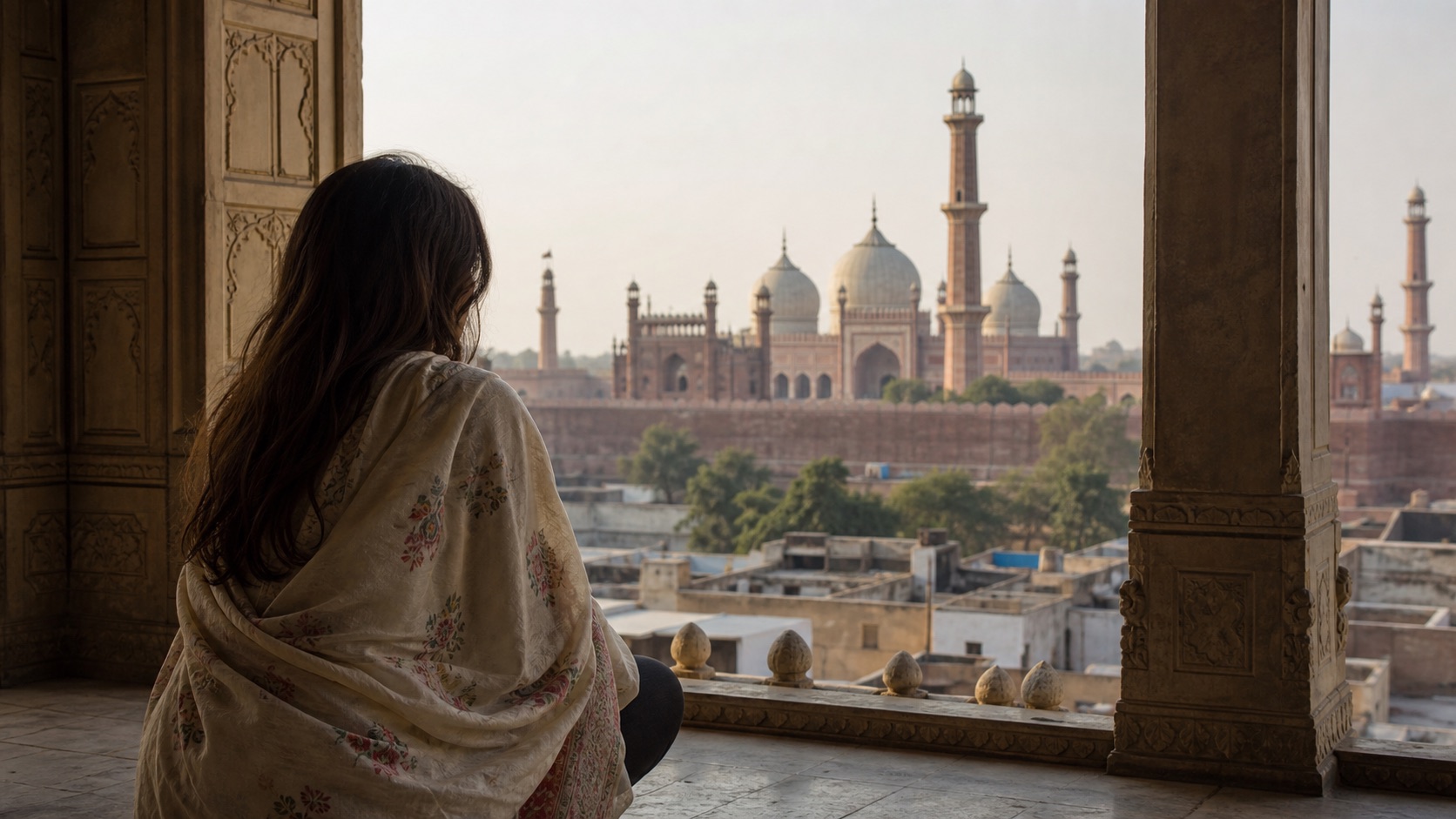
“Is Pakistan safe for solo women?” sounds like a yes-or-no question. It hides the decisions that actually change a trip: which district, which road, what hour, whose vehicle, what backup, and whether you can leave an uncomfortable situation without negotiating your right to go.
This is a planning guide, not a bravery test and not personalised security advice. Read current official travel advice for your nationality before you choose a route and again before departure. Advice can distinguish regions and roads; some insurance policies exclude travel against it. Combine that reading with recent local knowledge from booked accommodation, established guides, and women who have travelled the same corridor—not with a stranger’s claim that hospitality makes planning unnecessary.
For UK travellers, the FCDO Pakistan travel advice pages are a practical starting point for regional notes and entry information. US travellers should cross-check the US State Department Pakistan page. Other nationalities should use their own foreign ministry or equivalent. Treat social media itineraries as drafts until they survive that check.
Build independence into every welcome
Hospitality in Pakistan can be generous. Gratitude does not remove your right to privacy, rest, or a changed plan. Keep your own accommodation address, transport option, money, charged phone, and exit route. Share a daily check-in with someone outside the trip. If a host pressures you to conceal your location or surrender documents, leave when it is safe to do so.
Book the first nights somewhere with verifiable contact details, a working phone, and a clear arrival process. Ask who can access the room, whether reception is staffed after dark, and how late airport or station transfers are arranged. For drivers, record the name, vehicle, and registration privately; agree route, stops, price, and daylight arrival before you set off.
Route knowledge beats headline courage
- Split the map. Urban centres, northern valleys, and border-adjacent districts are not one risk profile. A plan that works for a daylight Hunza guest-house stay does not automatically transfer to an unfamiliar overnight road.
- Prefer daylight for long transfers. Landslides, checkpoint delays, and fatigue are harder to manage after dark. Build buffer days rather than proving you can push.
- Know your legal status. Dual nationals sometimes face different consular limits than foreign passport holders expect. Read what your embassy or consulate can—and cannot—do before you need help.
- Keep offline copies of key contacts, booking references, and maps for areas with weak signal.
Northern itineraries that string Islamabad–Gilgit–Hunza–Skardu into one breathless week leave no margin for weather. Choose fewer nights with recovery time. Southern or coastal add-ons are separate trips with separate advice; do not paste a Hunza packing list onto an unfamiliar city overnight without reading current notes for that district.
Transport you can explain to yourself
Airport pickups arranged by a hotel or a known company reduce the scramble outside arrivals. If you use ride-hail where available, share the live trip with a contact and verify the plate before you sit. For intercity jeeps and vans, ask who else is travelling, whether stops are fixed, and whether the driver intends night driving. A cheaper seat that arrives at 2am in an unfamiliar town is not a bargain.
Women travelling alone sometimes face curiosity at checkpoints or hotels. Calm, brief answers and documents ready usually resolve ordinary checks. If a situation escalates beyond a routine question, move toward staffed, public space and contact your booked accommodation or consulate channel. Do not accept “help” that requires surrendering your phone or passport to a stranger “for a minute.”
Clothing, photography, and attention
Clothing can help you move comfortably through different settings, but no outfit guarantees safety or makes harassment the wearer’s fault. Carry a light layer for religious sites and more conservative contexts, then ask locally rather than treating all Pakistan as one dress code. Avoid photographing checkpoints, security activity, or people without permission. Drone use is not a casual accessory; local rules and courtesy toward private courtyards matter.
Unwanted attention is usually managed by changing place, joining a busy area, calling a known contact, or ending the day early—not by debating strangers. If a situation feels wrong, you do not owe a full explanation to leave it.
Accommodation checks that are not paranoia
- Confirm the exact pin or landmark, not only a neighbourhood name that covers many lanes.
- Ask whether someone will meet you if you arrive after dark, and what the backup is if that person is late.
- Clarify whether bathrooms are shared, whether locks work from inside, and whether windows open onto a courtyard used by others.
- Read recent guest notes for generator timing, water hours, and whether solo travellers are routinely hosted.
Family guest houses can be excellent when expectations match. They can also feel intimate in ways hotels do not. If you need anonymous lobby space, book a hotel for arrival nights and move to a smaller house later. National tourism pages such as the Pakistan Tourism Development Corporation site can help with orientation; they do not replace a booked address and a phone that works.
Money, health, and the right to cancel
Carry a mix of cash and card options; mountain and smaller-town services can be cash-heavy. Know where the nearest reputable pharmacy or clinic is relative to your first nights. Medication, water discipline, and heat or altitude rest are ordinary logistics, not signs you “couldn’t handle” the trip.
Leave room to cancel. Weather, demonstrations, road closures, illness, unwanted attention, or a bad feeling are valid reasons to change the day. Good solo travel is not proof that fear was foolish. It is the quiet accumulation of choices that preserve the freedom to continue, pause, or go home.
Communication habits that reduce scramble
Agree a check-in time with someone outside Pakistan who knows your rough itinerary and passport nationality. Store embassy or consulate contact details offline. Keep a paper note of lodging address in the local language if your phone dies. Tell one trusted person which days you expect weak signal in the mountains so silence is not immediately read as crisis—and so genuine silence after a planned check-in still triggers a response plan.
Language helps but is not a shield. Urdu or regional phrases for directions and refusals are useful; they do not obligate you to continue a conversation that feels unsafe. If you hire a guide, agree the fee, hours, and photography rules before the day begins, and keep payment staged so you can end the arrangement.
A sample decision tree for day one
Land in daylight if you can. Transfer with a pre-booked option. Check into verified lodging. Message your outside contact with the address. Eat somewhere busy or recommended by the desk. Do not schedule a long mountain transfer the same evening you land. The first twenty-four hours are for proving your systems work—money, phone, sleep, exit options—not for collecting scenic proof that you are brave.
- FCDO Pakistan travel advice
- US State Department: Pakistan
- Pakistan Tourism Development Corporation — national tourism information (verify locally)
Sources and official profiles
Filed under
Keep reading
Related stories
More from this desk, this beat, and the tags on this piece.
Rawalpindi old-city walk: bazaars without turning residents into scenery
Mehreen Ali · 13 Sep 2026 · 14 min
Readers
The conversation
0 notes
Anyone can leave a note. Guests add a name and email — no account required, and the email is never published.
No notes yet. Yours would be the first.