North
A slow Sunday in Hunza
How to be a guest in a valley that is tired of being a backdrop: walk, eat what is offered, pay the house, and leave the courtyard out of the shot.
By Mehreen Ali
Travel editor
6 min read
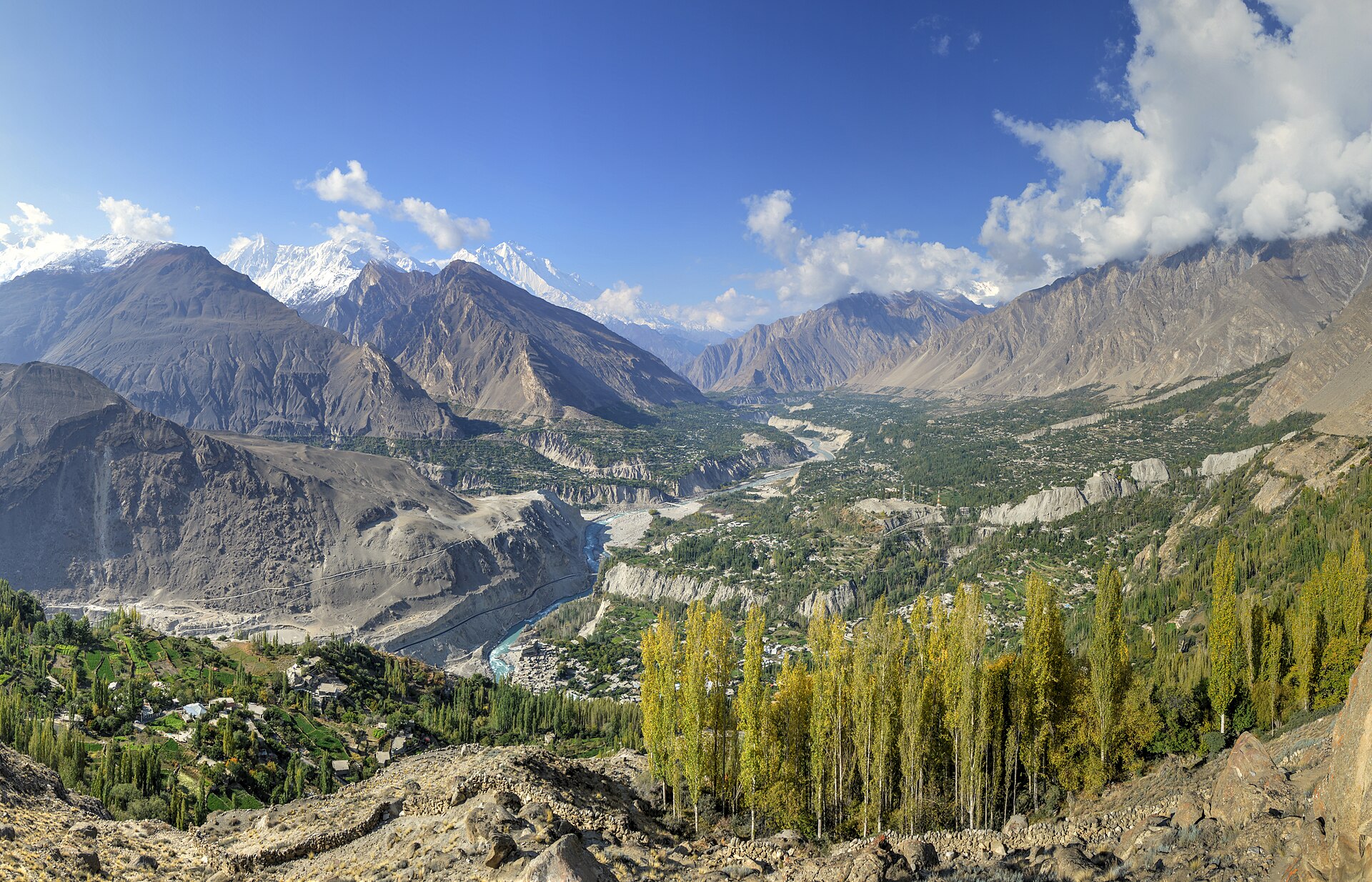
Hunza is not a spa. It is a set of villages with a tourism industry that arrived faster than the manners that should have come with it. A slow Sunday, done right, is tea, a walk that is not a race, a meal you did not demand be authentic on command, and a night that ends when the generators do. The mountains will still be there if you put the phone in a bag. The people who live under them would like to remain people, not extras in your recap.
Take a picture of the mountain. Leave my courtyard out of it.
— A shopkeeper in Karimabad
The valley is inhabited
Karimabad is a working town with a postcard problem. Baltit Fort sits above the bazaar like a fact, not a filter. Below it, apricot trees, schoolbags, a jeep that needs a part from Gilgit, and a guest house whose owner can tell you, without drama, which week the road was closed last spring. If your first instinct is to rise at four for a drone shot of someone else’s roof, you have already failed the brief. The courtyard is a room. Rooms have families in them.
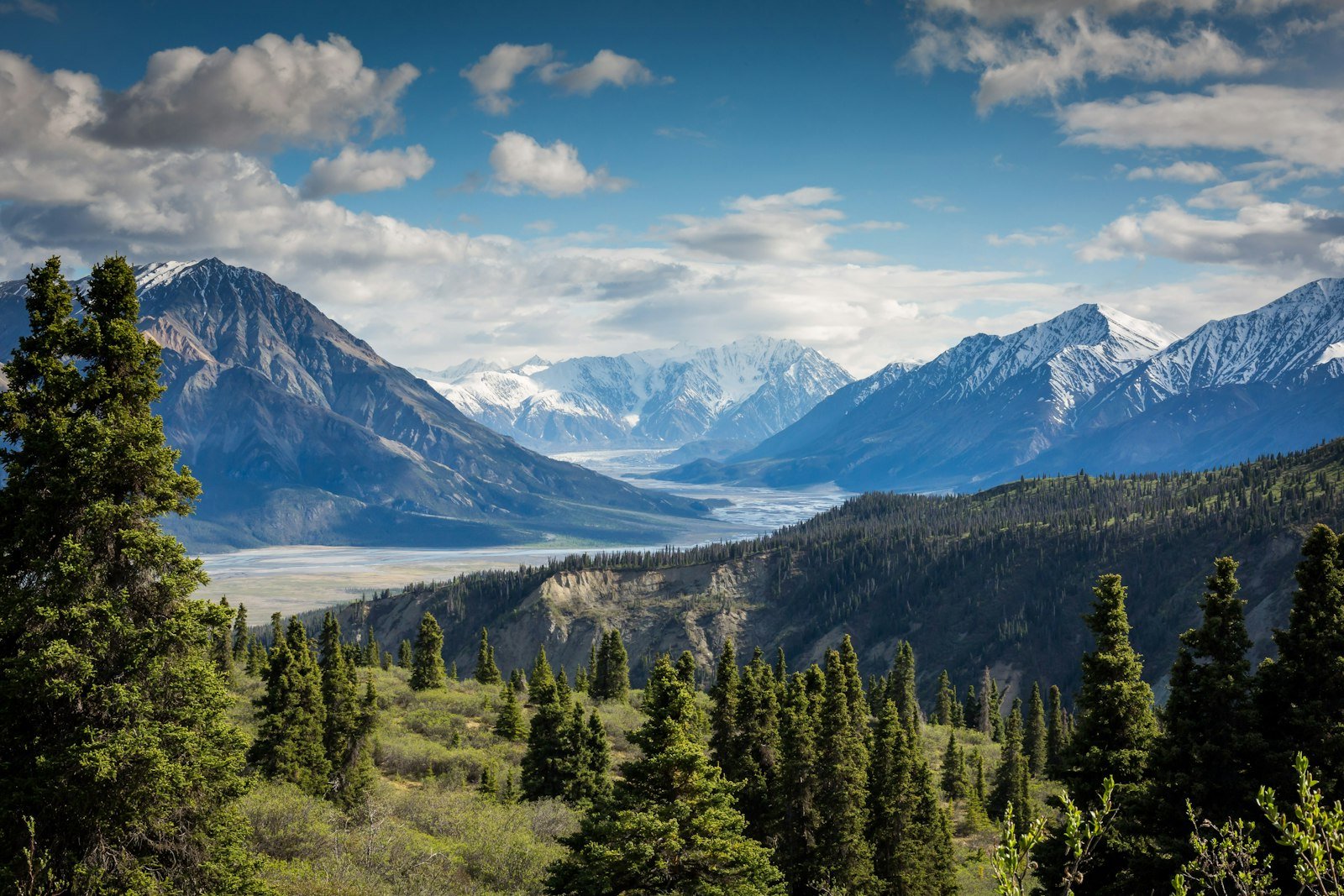
Altit and Duikar are not secret. They are simply slightly harder to treat as a drive-through. Walk. The stone lanes were built for feet and donkeys, not for a convoy that wants Eagle’s Nest, Passu, Attabad, and a sunset reel before dinner. A slow Sunday starts by deciding that one village is enough. You will still see Rakaposhi. You will see it while drinking tea that a woman in the house made, not while standing on her wall.
Move at the valley’s speed
Altitude is not a caption. You came from the plains, or from a plane that bounced into Gilgit, and your head will argue with you by afternoon if you sprint. Drink water. Walk the irrigation channels. Sit when the path steepens. The point of a Sunday here is not a step count. It is to arrive at lunch without having turned the village into a timed challenge. If you feel heroic, you are going too fast.
Hire a local driver who lives in the valley, not a down-country operator who treats Hunza as a three-day product. Sleep in a guest house that stays open in January, when the Instagram weather has gone home and the staff still need wages. Ask what the house actually cooks. Eat that. The imported club sandwich exists for people who are afraid of soup. You can be less afraid. Apricot, bread, a bowl that has been on the stove since morning, more tea than you think you want — that is the meal. The mountain is the window, not the entertainment.
Pay people, not the idea of Hunza
Tourism here is a winter argument. Summer looks busy. Winter is when you find out whether your money stayed. A guest house that lists a fair rate is not opening a negotiation. Do not bargain as a sport. If the room is too expensive, choose another house. Haggling a family down by eight hundred rupees so you can feel seasoned is not travel. It is a small theft dressed as a skill.
Pay the guide for the full day even if you sit more than you walk. Pay for the jeep that waited while you stared at the river. Buy from the shop that is open, not only from the stall that looks more photogenic. If you want handicrafts, buy them from the person who can name the maker. The valley does not owe you a discount because you have seen it on a screen. You owe the valley a bill that matches the work.
- Book the guest house directly when you can. Platforms take a cut the winter cannot spare.
- Ask what a fair day rate is in town, then pay it. Do not crowdsource a cheaper number from a WhatsApp group in Lahore.
- Leave a tip in cash with the person who cooked, not only with the person who speaks English at the desk.
Food that is not a performance
Hunza food, as sold to the nervous, is a health brochure: long life, glacial water, a walnut that will save you. Hunza food, as eaten on a Sunday in a house, is bread, oil, a vegetable that grew nearby, meat if there is meat, apricot in whatever form the season allows. The brochure is not a lie exactly. It is a simplification that turns a kitchen into a brand. Eat the kitchen.
Do not demand authentic on command. Authenticity is a word visitors use when they want a show. Ask what is already on. If it is daudo soup, take it. If it is eggs and chapatti because that is what the house had, take that too. You are not a commissioner of culture. You are a guest who arrived on a road that may close tomorrow. Gratitude is the seasoning.
Manners the feed does not teach
The drone is the current bad habit. It is loud, it is rude, and it turns a private roof into a set. Several households will tell you the same sentence if you listen: take the mountain, leave the courtyard. Listen the first time. Photograph the river, the fort, the orchard from the path. Do not hover over washing lines and children. You would not accept it on your own street in Karachi. The altitude does not make other people’s homes public.
Nights end when the generators do. That is not quaint. That is a power situation. Charge what you need before the cut. Do not treat the guest-house owner as a concierge for your remaining battery. Keep music inside your skull. The village is not a hostel common room. If you came for quiet, practise it after maghrib. If you came for nightlife, you wanted another town — possibly one with a sea and a bad idea.
The road can refuse you
Landslides are not a plot twist. They are a seasonal fact of the Karakoram Highway and the side roads that peel off it. Build a day of slack into every plan. If Gilgit airport cancels, you wait. If the jeep turns back because the rockfall is fresh, you wait. A slow Sunday includes the possibility that Sunday is all you get, and that this is still a successful trip. The valley is not a ride you complete. It is a place you are allowed, briefly, to stand in.
Leave without a list of conquests. Leave with the name of the house, the name of the person who drove, and a smaller appetite for turning other people’s weather into your personality. If you bought apricot oil, buy it from the place that pressed it, not from a gift shop that imported the story. If you walked, your knees will tell you the truth on the plane home. That truth is enough.
Leave with stronger legs and a smaller footprint. The mountains are not a set. The people are not extras. A slow Sunday is the test: if you can spend it without extracting a show, you may come back in winter, when the valley can actually use you.
Filed under
Keep reading
Related stories
More from this desk, this beat, and the tags on this piece.
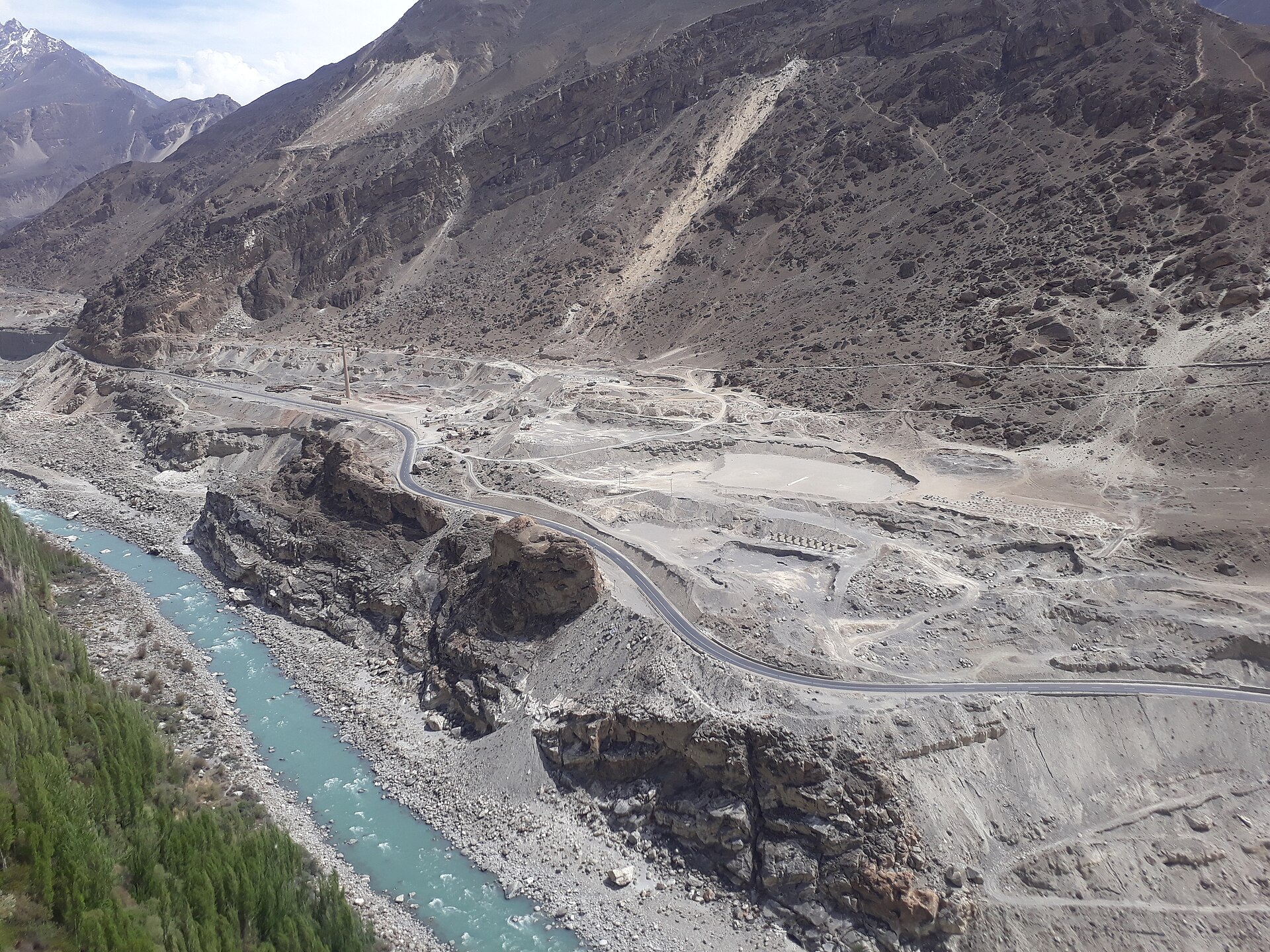
How to stay in a Karakoram guest house without making it a stage
Mehreen Ali · 8 Sep 2026 · 7 min
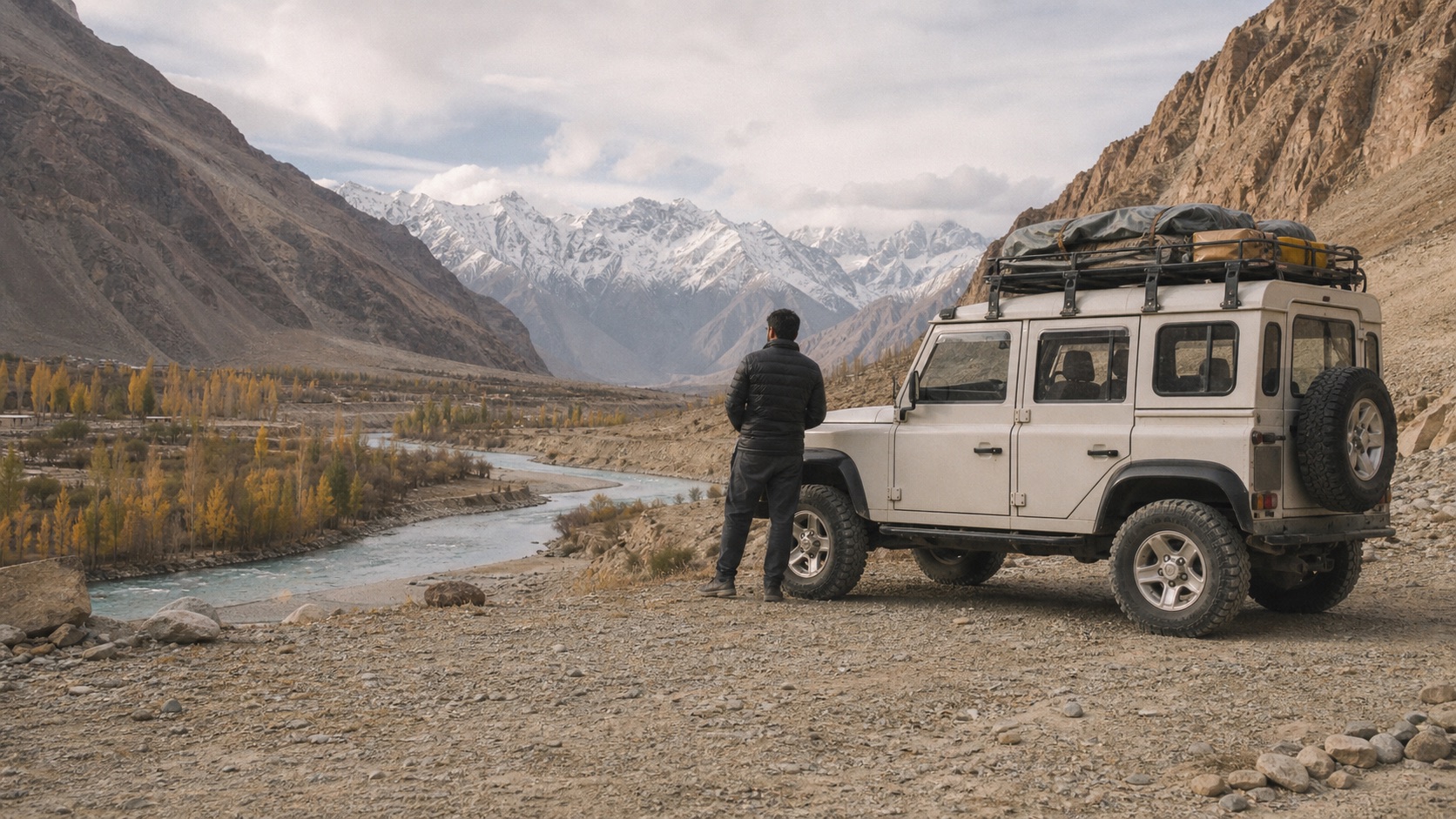
Skardu travel guide: valleys, lakes, and high-altitude logistics
Mehreen Ali · 11 Aug 2026 · 2 min
Readers
The conversation
0 notes
Anyone can leave a note. Guests add a name and email — no account required, and the email is never published.
No notes yet. Yours would be the first.