Ramadan
A Pakistani Ramadan meal plan that avoids daily exhaustion
A flexible Ramadan food plan designed around hydration, nourishment and shared labour.
By Hassan Raza
Food editor
2 min read

The meal plan has failed if one person spends the fast cooking everybody else’s feast. Begin with labour: who shops, chops, serves and clears, and which jobs can rotate.
Use a three-day loop
Cook one substantial base every third day—daal, chicken salan, keema or chana—and change its companions. Suhoor might pair eggs or yoghurt with roti, oats or fruit; iftar can open with water and dates, then move to the planned meal. Pakora can belong to Ramadan without becoming compulsory every evening.
| Day | Main work | Second use |
|---|---|---|
| 1 | Chicken salan, rice, salad | Chicken wraps or pulao |
| 2 | Daal, roti, yoghurt | Daal soup or freezer portions |
| 3 | Keema with peas | Stuffed paratha filling |
Keep water visible between iftar and sleep and spread drinks through that period rather than forcing a large amount at suhoor. People with medical conditions, pregnancy, medication questions or disordered-eating concerns should seek appropriate clinical and religious guidance.
Write only seven evening decisions, then repeat them with seasonal produce. Ramadan food should support worship, work and rest. Abundance is meaningful when it includes the cook’s time.
Plan leftovers by name: Monday’s roast chicken becomes Tuesday’s filling, not an anonymous box. Freeze surplus before everybody tires of it. Keep one night deliberately unplanned for invitations, fatigue or changed appetite, and use pantry food instead of turning flexibility into another takeaway expense.
At the end of Ramadan, note which breakfasts sustained the household and which dishes created waste. Keep that evidence for next year instead of preserving an ambitious plan that nobody enjoyed.
Shop from the plan, not the mood
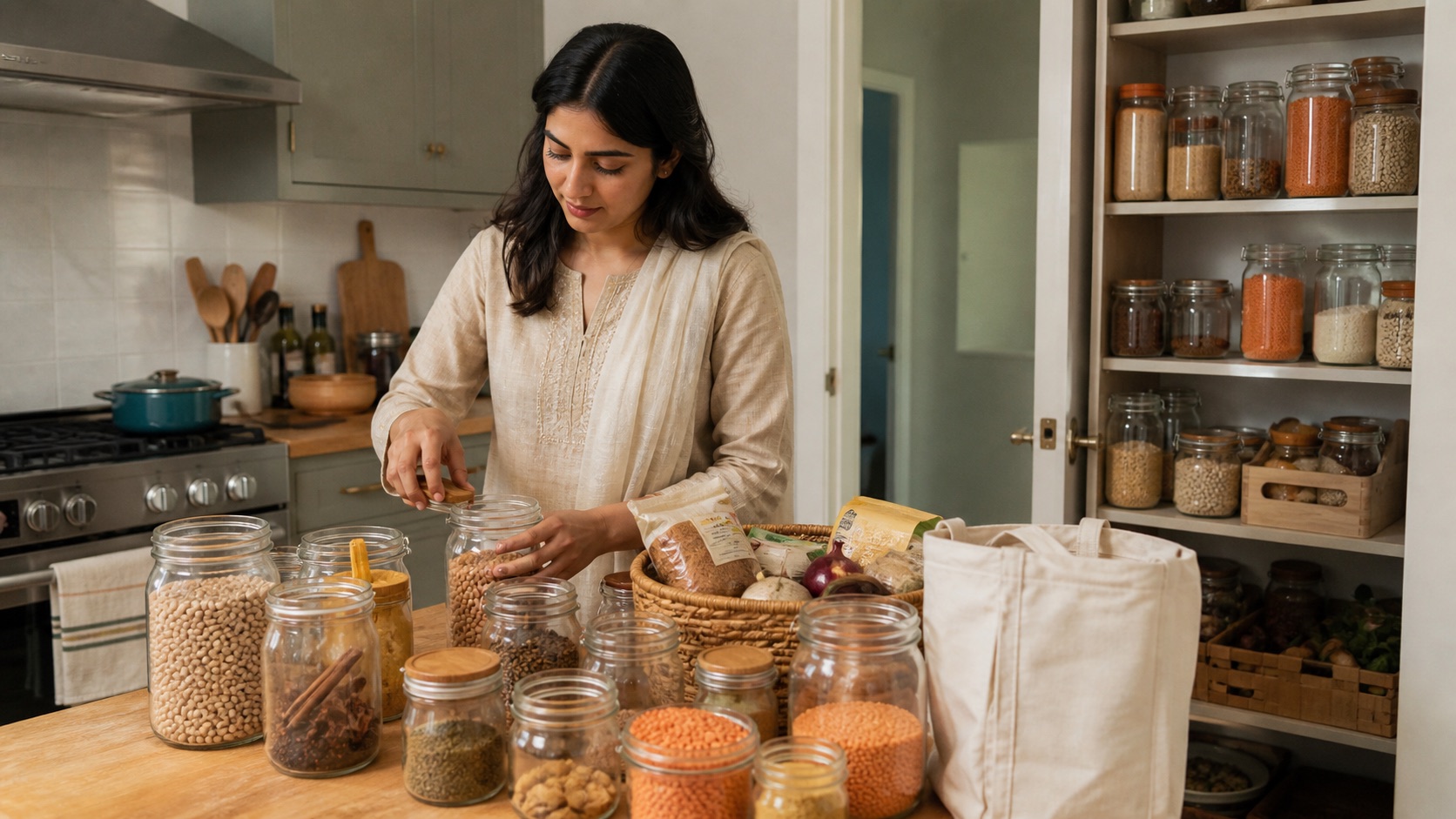
Count household portions and mark nights when people eat elsewhere. Buy herbs and delicate fruit in smaller waves; pantry staples and freezer components can arrive before Ramadan. Place older food at the front and label shared dishes with allergens. Suhoor should be acceptable at a sleepy hour: prepare overnight oats, boiled eggs, yoghurt portions or paratha filling before bed rather than promising elaborate cooking before dawn. Invite children to choose one task they can sustain. Review the plan after the first week and remove whatever created stress, even if it looked traditional on paper.
Filed under
Keep reading
Related stories
More from this desk, this beat, and the tags on this piece.

Ramadan freezer prep: what freezes well and what does not
Hassan Raza · 13 Sep 2026 · 16 min
Family iftar timing when everyone comes home at a different hour
Hassan Raza · 13 Sep 2026 · 15 min
Readers
The conversation
0 notes
Anyone can leave a note. Guests add a name and email — no account required, and the email is never published.
No notes yet. Yours would be the first.