Recipes
Pakistani grocery shopping in the USA: a complete pantry guide
A US pantry guide organised by meals, labels and realistic store access.
By Hassan Raza
Food editor
2 min read
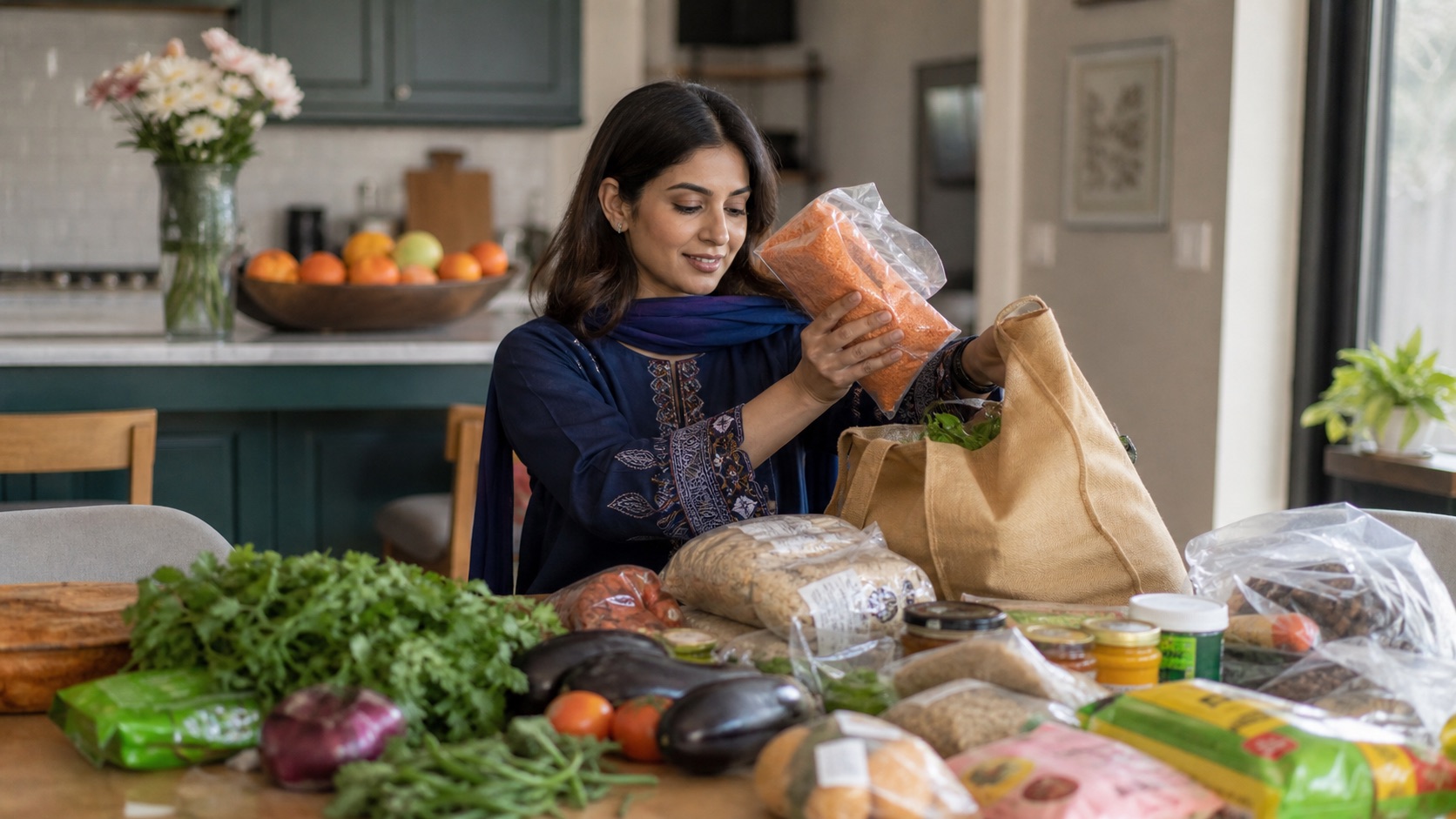
A Pakistani pantry in America does not need every imported packet. It needs ingredients that turn over, a reliable source for meat and a substitution plan for the week your nearest South Asian shop is forty miles away.
Begin with five meals
Plan daal-chawal, one salan, pulao, a vegetable dish and breakfast. Their overlap gives you basmati, masoor or moong, atta if you make roti, onions, tomatoes, ginger, garlic, cumin, coriander, turmeric, chilli and garam masala. Add specialist spices only when a named dish needs them.
Read the US ingredient and allergen label even on familiar brands; formulations can differ by market. For halal meat, ask which certifier the shop relies on and decide whether that meets your household’s standard. Keep raw meat separated during transport and refrigerate it promptly.
| If you cannot find | Think by function |
|---|---|
| Pakistani atta | Compare whole-wheat protein and grind; test a small bag |
| Fresh methi | Use frozen for cooked dishes, dried only when the recipe suits it |
| One branded masala | Use a trusted recipe and individual spices |
| Desi yoghurt | Choose plain unsweetened yoghurt by texture and ingredients |
Photograph prices per unit, not package. Date decanted spices and retain allergen information. Online ordering is best for stable dry goods; local shopping lets you inspect herbs, freezer condition and turnover. A complete pantry is the smallest one that keeps producing dinner.
Prevent the forgotten-packet shelf
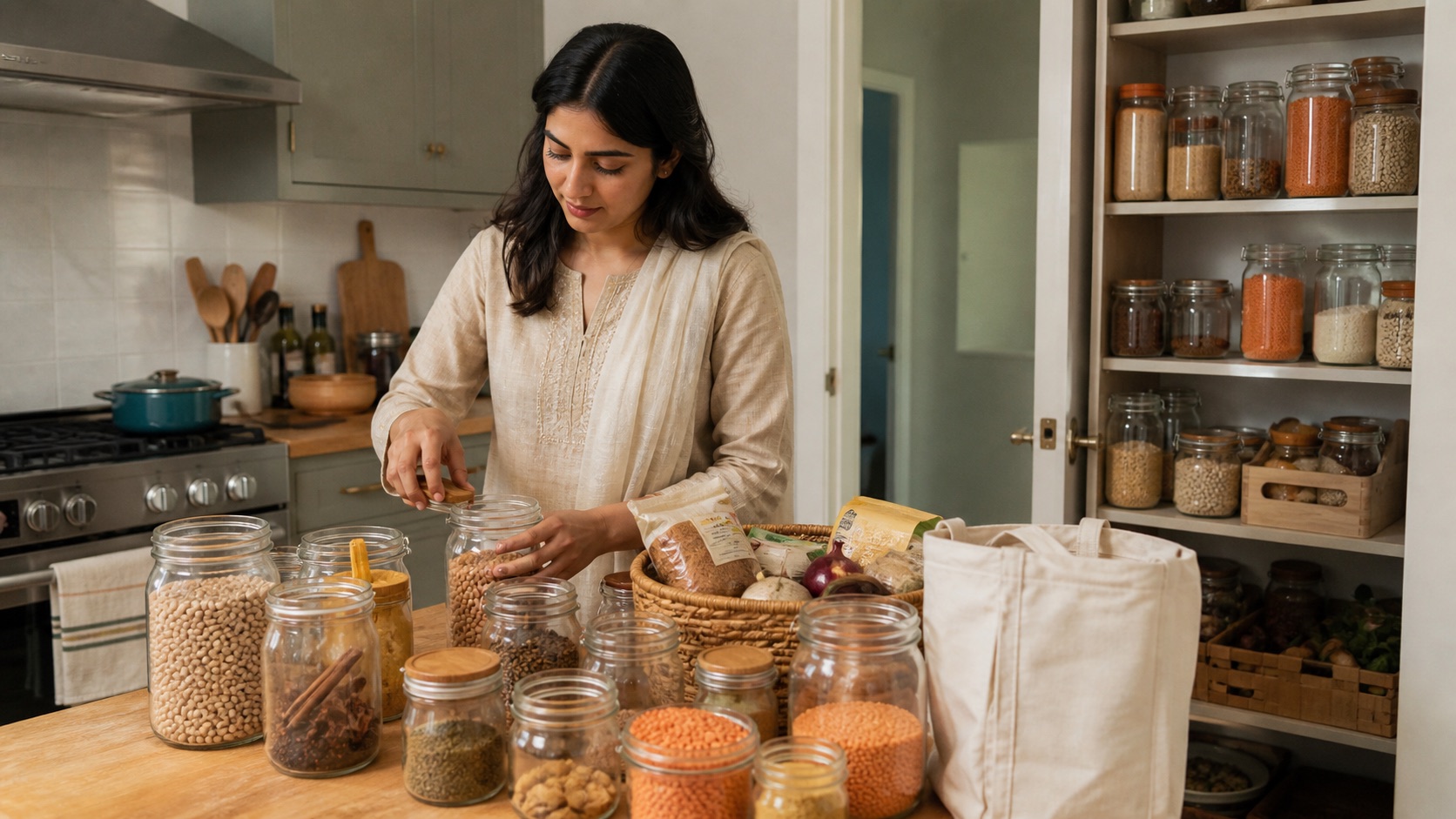
Schedule a quarterly shelf reset: check best-before dates, wipe containers and build the next week around opened packets. Donate unopened food while it is still useful. Do not refill a jar over old stock; empty and clean it first so age and allergens remain traceable.
Read the freezer aisle critically
Frozen paratha, kebabs and vegetables can be useful, but similar-looking products vary in serving size, sodium, allergens and cooking method. Check whether an item is raw or fully cooked; colour and branding do not answer that safety question. Transport frozen food at the end of the shop and return it to cold storage promptly. For rice, compare variety and age rather than choosing the largest sack first; test a smaller bag in your usual pot. Build a relationship with a butcher or grocer who can answer specific questions, and keep receipts when trying an unfamiliar online seller.
Filed under
Keep reading
Related stories
More from this desk, this beat, and the tags on this piece.
Pakistani freezer cooking: 12 components that save a weeknight
Hassan Raza · 18 Jul 2026 · 2 min
Palak gosht: keeping spinach bright enough and meat tender
Hassan Raza · 13 Sep 2026 · 15 min
Pakistani chicken patties with crisp pastry and a dry filling
Hassan Raza · 13 Sep 2026 · 14 min
Readers
The conversation
0 notes
Anyone can leave a note. Guests add a name and email — no account required, and the email is never published.
No notes yet. Yours would be the first.