Recovery
Recovery after training: a week you can repeat
A practical recovery system built around sleep, food, fluids, lighter days, and knowing when pain needs qualified care.
By Sara Malik
Fitness editor
4 min read

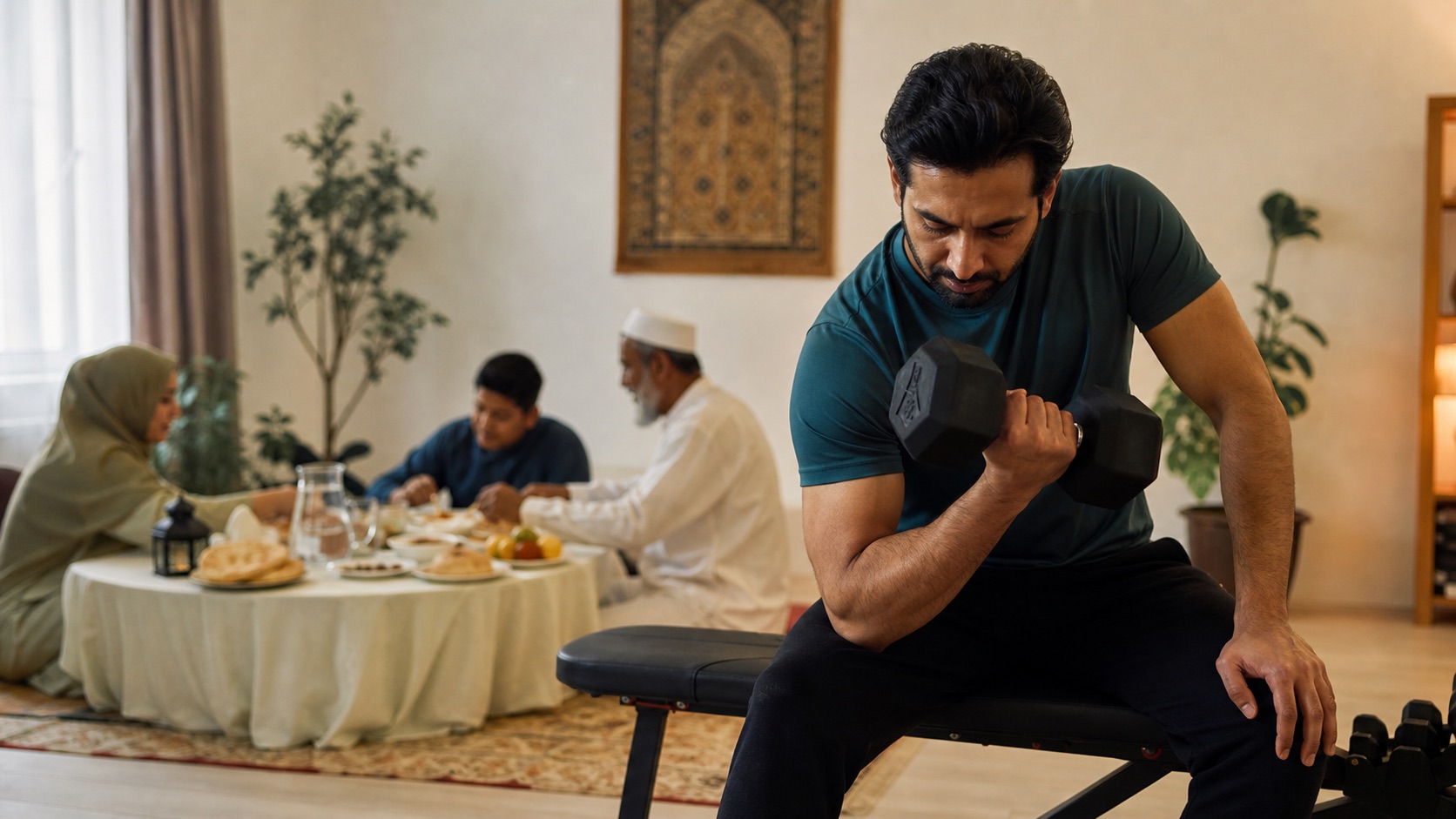
Recovery is not the expensive hour after training. It is what makes the next session possible: sleep that is protected, enough food, fluid matched to the heat, and a programme with easier days. Pakistani summers make that work more visible because sweat, disrupted sleep, fasting schedules, and hot training rooms can narrow the margin for error. The answer is not a dramatic protocol copied from an athlete with a medical team. It is a repeatable week and enough judgment to stop when the body sends a warning rather than a complaint.
The recovery plan begins in the training plan: hard days need somewhere to go.
— PakStyles fitness desk
Separate effort from damage
General muscle soreness after unfamiliar work can peak later and settle over several days. Sharp pain, a sudden pop, major swelling, loss of strength, inability to bear weight, chest pain, fainting, confusion, or breathing difficulty is different. Stop the session. Urgent symptoms need prompt medical assessment, not stretching advice from a group chat.
Track where discomfort sits, when it began, and whether normal movement is returning. Pain that persists, worsens, wakes you repeatedly, or changes how you walk deserves assessment by an appropriately qualified clinician. A coach can change a programme; they should not pretend to diagnose an injury outside their scope.
Put sleep on the programme
Keep wake time reasonably consistent and work backward toward enough sleep. A cool, dark, quiet room helps, but perfection is not required. Reduce late caffeine if it delays sleep, dim the phone before bed, and move intense sessions earlier when late training leaves the body alert. A short nap can help some schedules without replacing the main sleep period.
During Ramadan or shift work, plan sleep as more than one protected block if one continuous night is unrealistic. Reduce training ambition when sleep is repeatedly short. A deload is not lost discipline; it is a response to the week that exists.
Eat the next ordinary meal
Recovery food does not need a special label. A meal with a useful protein source, carbohydrate, vegetables or fruit, and enough total energy does the work: dal with yoghurt and roti, eggs with bread and fruit, chicken with rice, or another familiar combination. The best option is the one available, tolerated, and repeated.
Supplements cannot rescue an underfed week. If appetite is low after heat, begin with fluid and an easier meal such as yoghurt, milk if tolerated, fruit, eggs, or dal. Medical conditions, pregnancy, allergies, eating disorders, and prescribed diets need individual guidance rather than a magazine formula.
Replace fluid without making a competition
Begin sessions hydrated and drink according to thirst, conditions, duration, and personal sweat loss. Long or very sweaty work may require electrolytes as well as water, but more is not always better. Headache, dizziness, nausea, unusual weakness, confusion, or stopping sweating in severe heat are reasons to stop, cool down, and seek appropriate help.
Move hard sessions away from peak heat, choose a room with moving air, and change out of wet clothing. Urine colour can offer a rough clue, not a diagnosis. Anyone with kidney, heart, blood-pressure, or fluid-balance concerns should follow clinical advice rather than generic hydration targets.
Design the next seven days
Alternate demanding sessions with easy movement or rest. Keep at least one day that is genuinely lower stress. Walking, gentle mobility, and light technique work can feel good, but none is compulsory when complete rest is what the body needs. Massage, cold water, and compression are optional tools, not the foundation.
Review the week by performance and wellbeing: Are warm-ups becoming normal? Is motivation stable? Is sleep improving? Can ordinary stairs happen without negotiation? If every session declines while fatigue rises, reduce volume or intensity before buying another recovery product. Progress belongs to the programme you can return to.
Sleep, eat, drink, and place easier days on purpose. When symptoms exceed ordinary fatigue, stop guessing and use qualified care.
Keep reading
Related stories
More from this desk, this beat, and the tags on this piece.

Sleep and training recovery when family life is unpredictable
Sara Malik · 13 Sep 2026 · 14 min
Muscle soreness after training: normal recovery habits and red flags
Sara Malik · 13 Sep 2026 · 16 min
Running alone as a woman in Pakistani cities: practical safety planning
Sara Malik · 13 Sep 2026 · 15 min
Treadmill versus outdoor running when heat or air quality is poor
Sara Malik · 13 Sep 2026 · 15 min
Readers
The conversation
0 notes
Anyone can leave a note. Guests add a name and email — no account required, and the email is never published.
No notes yet. Yours would be the first.