Walking in extreme heat: shorten the route before you cancel movement altogether
A hot day changes a walk through timing, shade and duration. Move earlier or later, shorten the route and stop if heat-exhaustion symptoms appear.
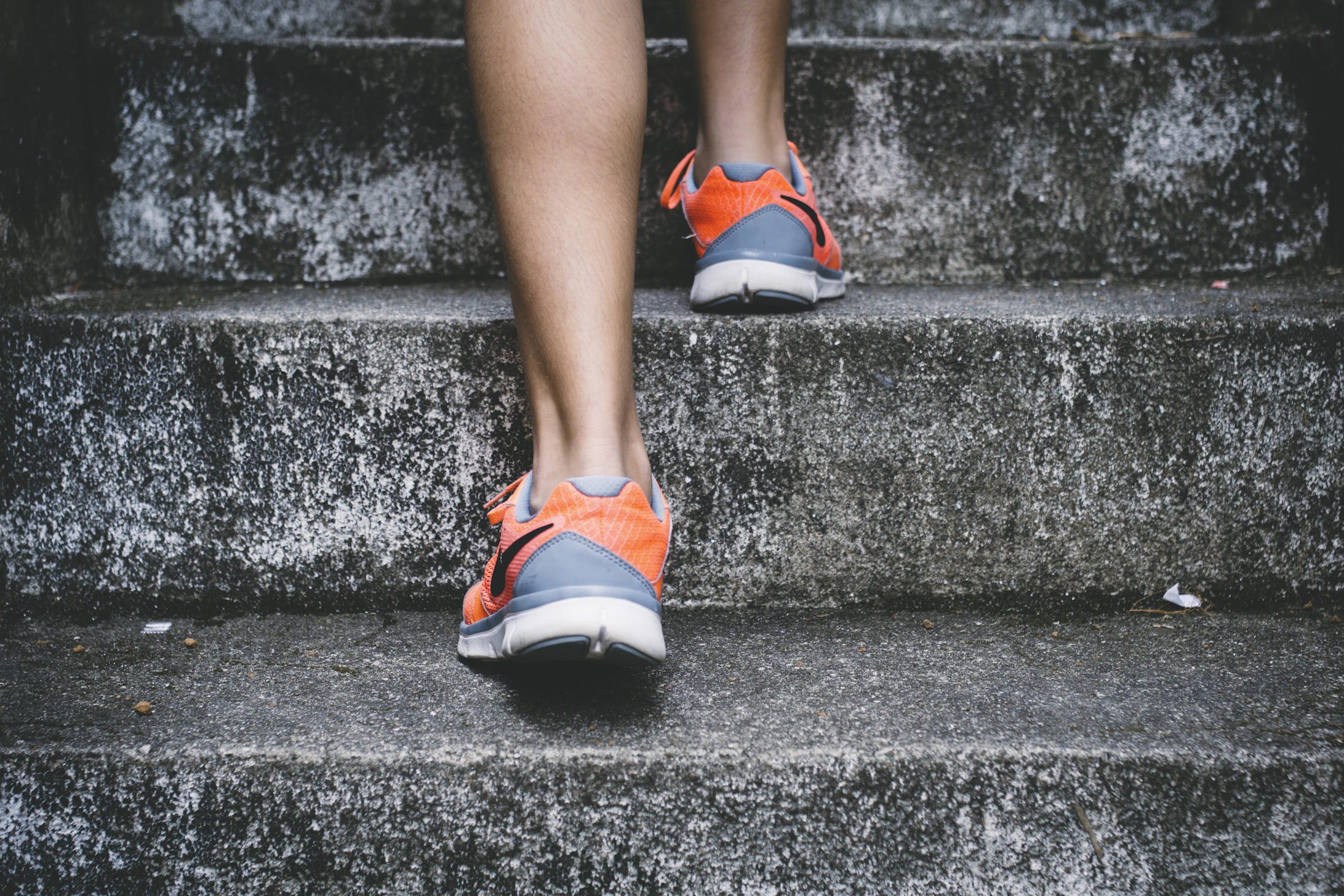
The healthiest walking plan is not the one that ignores a heat warning. On very hot days, keeping the habit can mean making the session smaller, earlier and less impressive.
Move the clock first
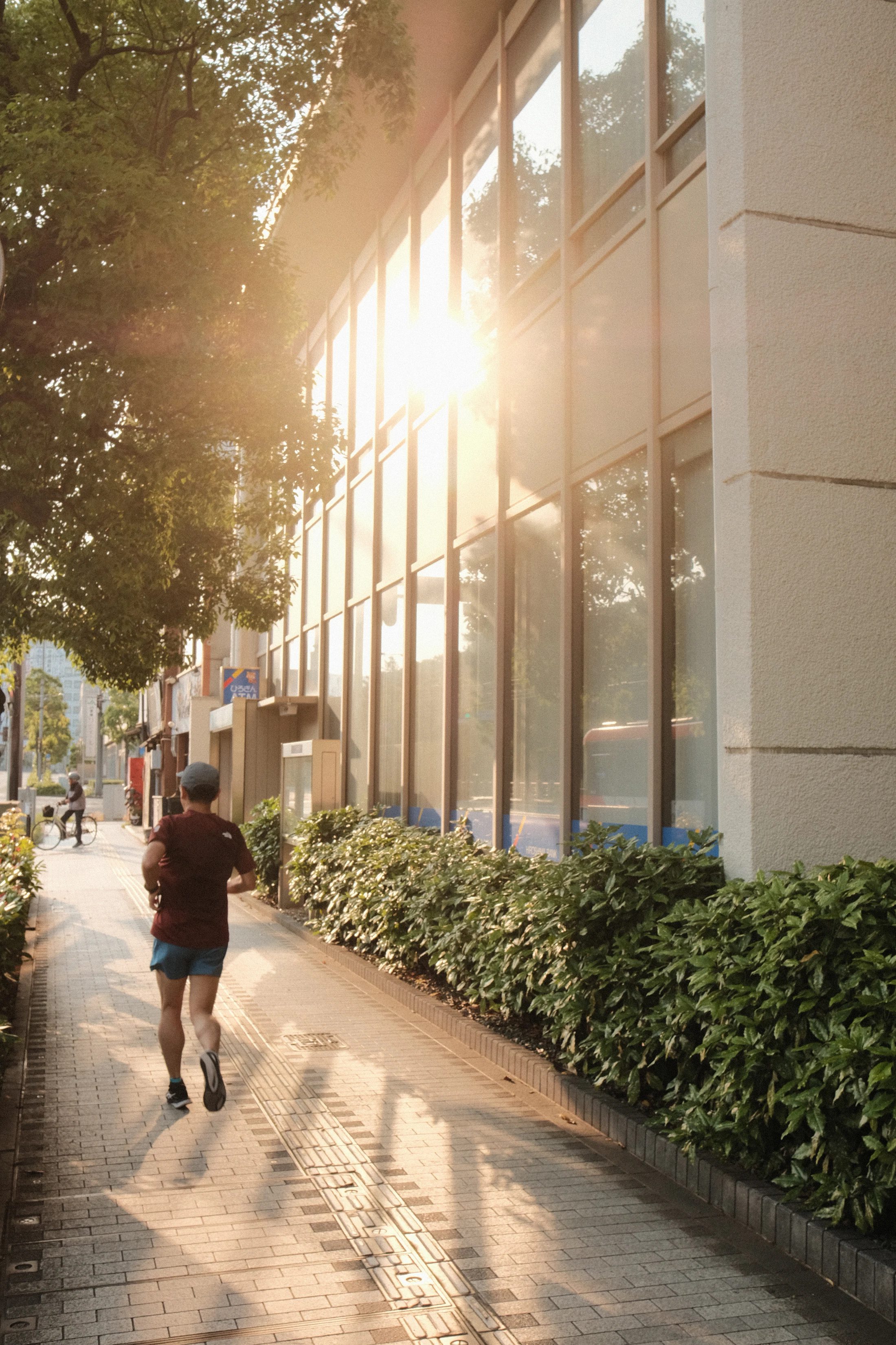
NHS advice recommends avoiding the strongest sun between roughly 11am and 3pm during hot weather. An early morning or evening walk can reduce heat stress significantly.
Cut distance without calling it failure
Twenty shaded minutes can be a better session than an hour spent becoming dizzy. Fitness is built across weeks, not by winning one argument with the weather.
Choose shade over scenery
A tree-lined street, indoor shopping centre or covered path may be more useful than an exposed park loop. Route quality changes with temperature.
Carry fluid for longer walks
Drink regularly, especially if the walk extends beyond an ordinary short errand. People who are fasting, have medical conditions or take medicines affecting fluid balance need more individual planning.
Wear light, loose clothing
Breathable fabric, a hat and sun protection help. Dark heavy clothing that looks good for the first photograph is poor equipment for midday heat.
Know the symptoms that end the walk
Dizziness, headache, nausea, weakness, heavy sweating or feeling faint can indicate heat exhaustion. Stop, move somewhere cool and begin cooling and rehydration.
Confusion, collapse, seizure or very high temperature can indicate heatstroke and needs emergency help.
Indoor movement still counts
Stairs, a treadmill, a mobility session or walking inside a large building can preserve the routine without outdoor heat exposure.
Adapting a walk is not cancelling health. It is what health-conscious movement looks like when the environment changes.
Use effort, not pace, as the comparison
A pace that feels easy at 18°C can feel hard at 32°C. Slow down enough that conversation remains comfortable. If your normal loop suddenly feels much harder, the heat is part of the workload.
Do not chase a usual step count by adding distance late in the day if you already feel drained. The number on the watch is less important than avoiding heat illness.
Define the smallest useful outcome: Walking in extreme heat
For walking in hot weather safely, choose a narrow aim: better consistency, hydration, energy, sleep, movement or recovery. Smaller goals make it easier to select a behaviour that genuinely matches the need.
Do not turn one habit into a promise about every health outcome. Useful routines can be worthwhile without dramatic claims.
Keep the health claim modest: Walking in extreme heat
walking in hot weather safely can support wellbeing without replacing diagnosis, prescribed treatment or emergency care. Smaller accurate claims are more trustworthy.
A sustainable habit should make daily life easier to manage over time, not become another source of pressure.

On difficult days
Choose the version of walking in hot weather safely you can keep when energy is low: a shorter walk, a simpler meal, earlier bedtime or reduced session. This protects continuity without pretending every day offers the same capacity.
When circumstances improve, build back gradually rather than trying to repay missed days.
Final practical check
Before acting on walking in hot weather safely, recheck the part that carries the most cost, risk or time pressure and make sure the advice still matches your circumstances. Save the source, receipt, booking, product directions or family agreement where it may matter later.
Move the session to the safest part of the day
Early morning or later evening may reduce heat load compared with the hottest afternoon period. Check the actual forecast and humidity rather than relying on the clock alone, and choose a shaded route with places to stop.
Shorter is still useful
A 10- or 15-minute walk in safer conditions is better than forcing the usual distance through dangerous heat. Keep the effort conversational and slow down sooner than you would in cool weather. Indoor walking, a shopping centre or home movement session can preserve the habit on severe days.
Stop for symptoms, not for pride
Dizziness, headache, nausea, weakness, cramps or unusual breathlessness are reasons to stop and cool down. Confusion, collapse or severe symptoms can indicate heatstroke and need urgent medical help.
Use a heat version of the route
Pick a shorter loop with shade, water access and an easy way home rather than starting the normal long walk and hoping the weather feels better. Early morning or later evening may reduce heat exposure, but humidity and overnight warmth can still matter, so check conditions rather than relying on the clock alone.
Keep the effort conversational and stop for headache, dizziness, nausea, unusual weakness or cramping. Confusion, collapse or severe symptoms are not a cue to “push through”; they can signal a medical emergency. Indoor walking is a legitimate substitute when outdoor conditions are unsafe.
Decide the stop conditions before leaving
On a very hot day, agree with yourself that certain symptoms end the walk: dizziness, headache, nausea, unusual weakness, confusion or feeling suddenly unwell. Making that decision while comfortable prevents the common mistake of bargaining with symptoms because the destination is “only ten minutes away”.
If walking with children, an older relative or a dog, plan around the most heat-sensitive member of the group rather than the fittest adult. Shade, surface temperature, rest points and access to water matter more than maintaining the usual pace or distance.
Use the guide in real life: Walking in extreme heat
With walking in extreme heat, the most useful comparison is your ordinary baseline rather than somebody else’s ideal routine. Change the timing, duration, food, fluid or intensity that the article discusses, then watch how the next few days actually feel. A small change that survives work, family life and sleep is more valuable than an aggressive plan that lasts one weekend.
For walking in extreme heat, health context can change the answer. Pregnancy, prescribed medicines, chronic conditions, previous fainting or heat illness, and significant symptoms deserve individual advice rather than a generic target from an article. Use walking in hot weather safely calmer and better informed, not to override a clinician who knows the person’s history.
For walking in extreme heat, use the guide to make the immediate choice, then check any live rule, safety condition, health concern or family-specific detail again when it actually matters. That keeps the article useful without pretending a static page can replace current official or professional advice.
Sources and official profiles
Was this helpful?
Keep reading
Related stories
More from this desk, this beat, and the tags on this piece.
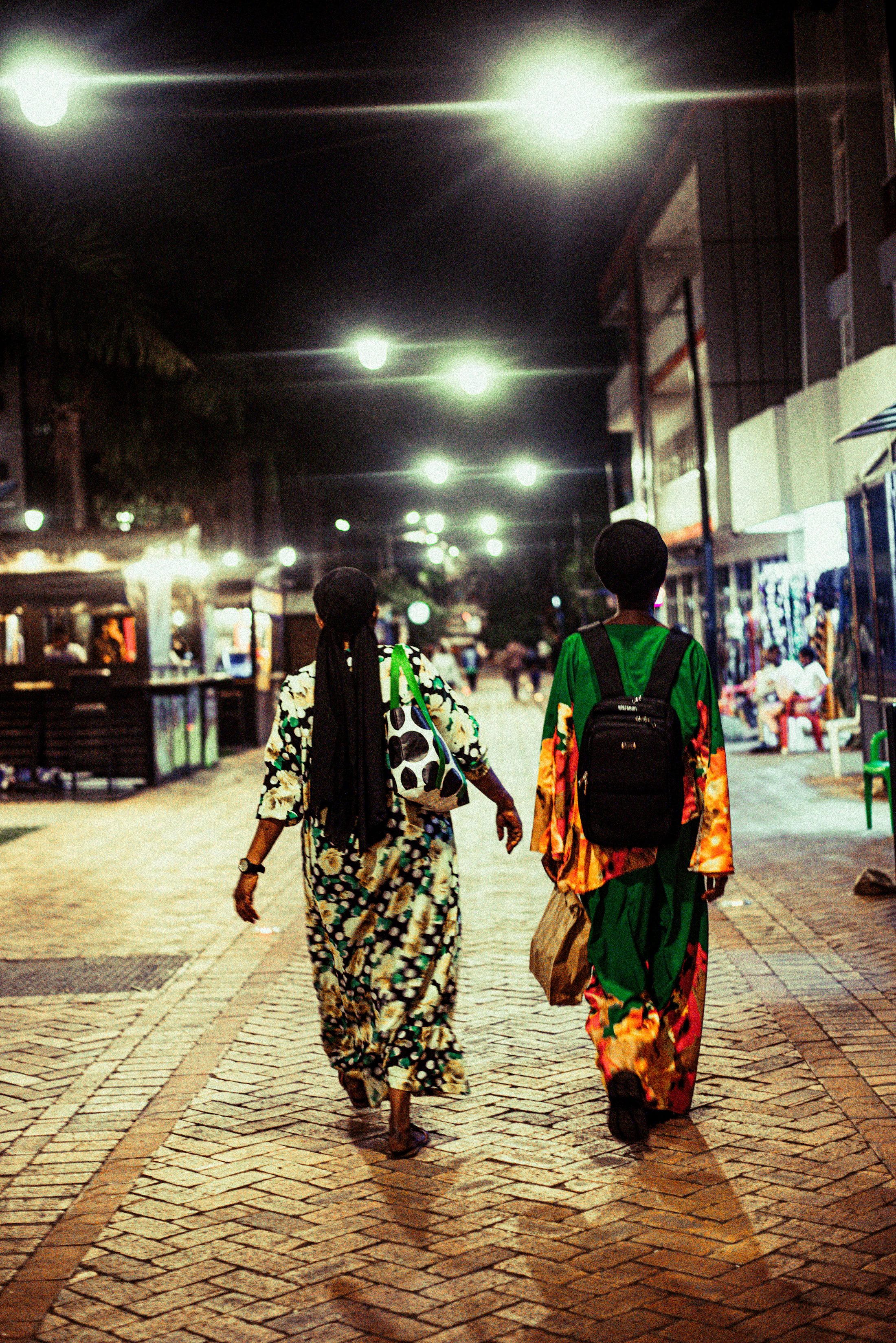
A ten-minute walk after dinner: the habit that does not need gym clothes
Sara Malik · 28 Oct 2026

Exercising in Ramadan: move the hard session instead of fighting the fast
Sara Malik · 28 Oct 2026

Why South Asian heart-disease risk is higher in the UK—and why ethnicity is not destiny
Sara Malik · 21 Oct 2026
Vitamin D and South Asian skin in the UK: why NHS advice is different year-round
Sara Malik · 20 Oct 2026
Readers
The conversation
0 notes
Anyone can leave a note. Guests add a name and email — no account required, and the email is never published.
No notes yet. Yours would be the first.