Regional
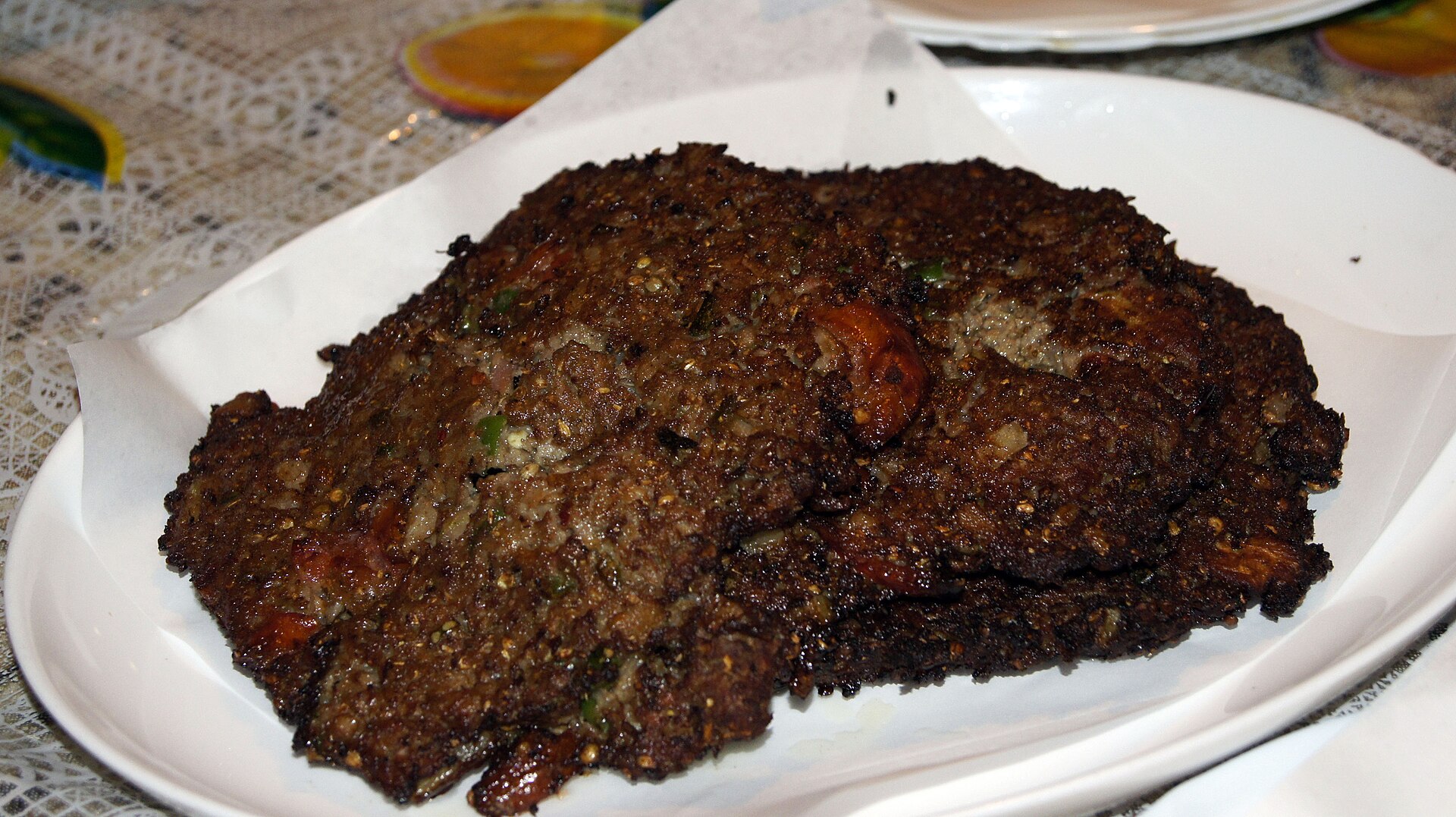
Chapli kebab: texture, spice, and frying without collapse
A chapli kebab method that manages mince texture, tomato moisture and pan temperature.
By Hassan Raza
Food editor
2 min read
A chapli kebab should have an irregular, deeply browned edge and a tender centre. If it behaves like a smooth burger, the mixture has probably been overworked.
Control water before adding binder
Use coarse mince with enough fat for flavour and cohesion. Crush coriander and cumin so some texture remains. Squeeze or drain chopped tomato and onion; their water is the usual reason a mixture loosens while waiting. Add cornmeal or the binder used in your family recipe sparingly, then chill a test portion.
Fry one small kebab first. If it cracks, check whether the pan was hot and the kebab disturbed too early before adding more binder. If it is tight, the mixture may be overmixed or too lean. Correct seasoning in the test, not in the full frying batch.
- Shape on a damp palm with thin edges and a slightly thicker centre.
- Lower away from the body into a broad, heavy pan.
- Leave it until a crust releases naturally.
- Turn once and cook minced meat thoroughly.
Fresh tomato pressed on top is attractive but adds moisture; use a thin slice and secure it against the first side. Drain briefly without enclosing the kebabs, which softens the crust. Serve at once with naan, chutney and sharp onion. Freeze shaped kebabs only with safe handling and clear labels; fresh tomato is better added on frying day.
Build the complete bite
Keep the chutney bright and acidic because the kebab is rich. Taste the complete bite with bread and onion before increasing salt in the mince. If children need a milder batch, divide the mixture before chilli is added and use separate labelled trays rather than relying on shape to identify it.
Keep frying consistent for a crowd
Weigh or scoop portions so thickness stays predictable, then return the tray to refrigeration rather than leaving raw mince beside the stove. Skim burnt crumbs between batches; they make later kebabs look cooked before their centres are ready. Replace oil when it smokes, foams or carries scorched flavours. Use a food thermometer if you are uncertain about doneness and follow local minced-meat safety guidance. For service, stagger batches instead of sealing hot kebabs in a deep container. A warm oven can hold them briefly on a rack, but the crust will always be best closest to the pan.
Filed under
Keep reading
Related stories
More from this desk, this beat, and the tags on this piece.
Multani sohan halwa: how to buy it fresh and store it well
Hassan Raza · 13 Sep 2026 · 16 min
Peshawari namkeen gosht: what simplicity demands from the meat
Hassan Raza · 13 Sep 2026 · 15 min
Kashmiri harissa: a winter dish built on texture and patience
Hassan Raza · 13 Sep 2026 · 15 min
Balochi sajji at home: adapting a fire-cooked dish responsibly
Hassan Raza · 13 Sep 2026 · 15 min
Halal butcher etiquette for a British Pakistani Eid table
Hassan Raza · 13 Sep 2026 · 4 min
Readers
The conversation
0 notes
Anyone can leave a note. Guests add a name and email — no account required, and the email is never published.
No notes yet. Yours would be the first.