Restaurants
How to order karahi for a table of six
A sharing plan for karahi, bread, and something fresh — so six people leave fed rather than arguing over a single pan.
By Hassan Raza
Food editor
5 min read
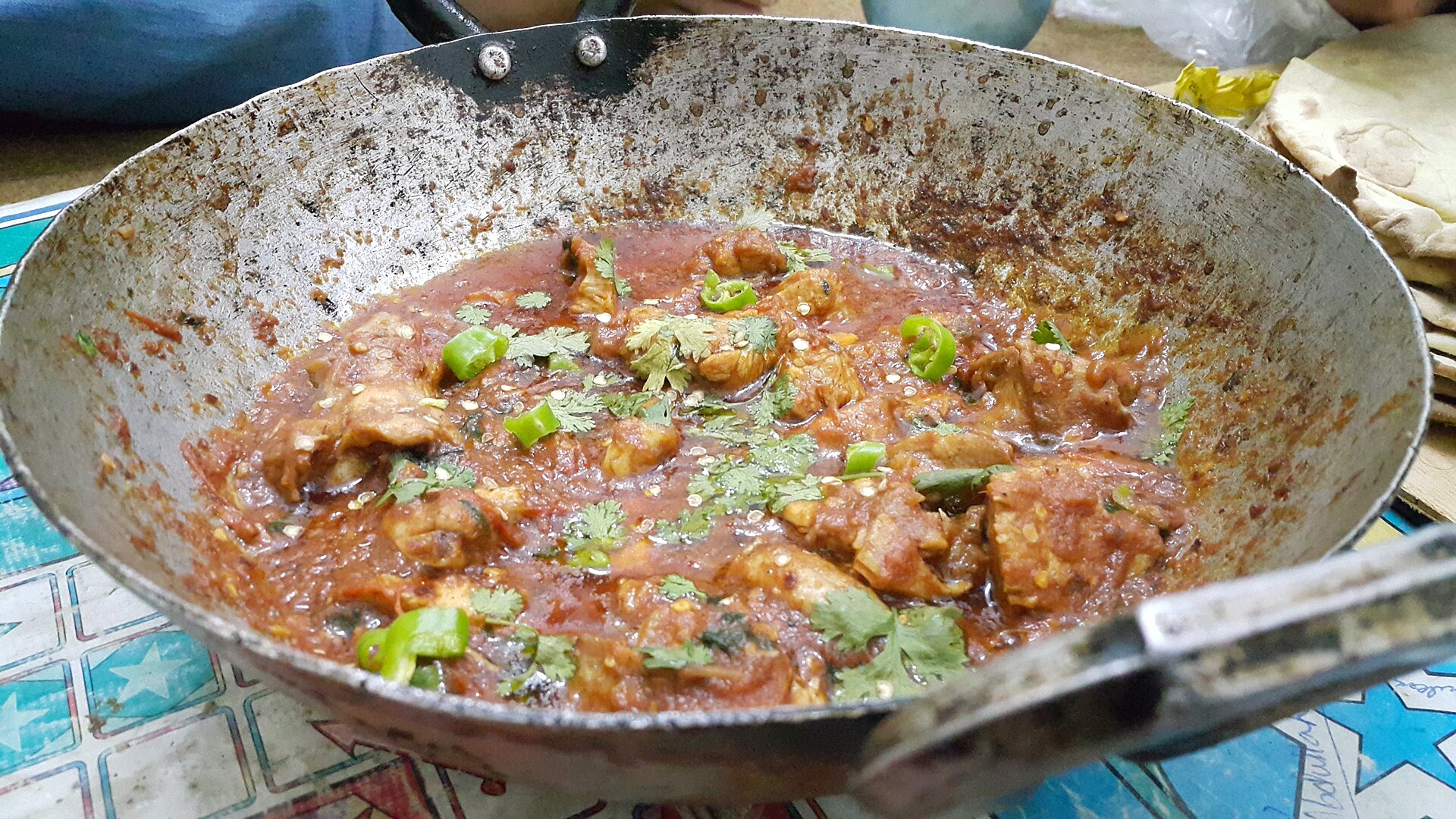
Six people and one karahi is a logistics problem, not a personality test. The photograph of a dark, reduced pan is not a portion guide. Restaurants that cook karahi properly sell it by weight or by a named pan size, finish it hot, and expect bread to do half the work. If you order as though you were plating a tasting for Instagram, you will either run out of meat in twelve minutes or send home a slick of gravy that nobody wanted to claim.
A table of six needs a plan for bread and contrast, not a second identical pan “just in case”.
— PakStyles food desk
Karahi is sold by weight, not by a photograph
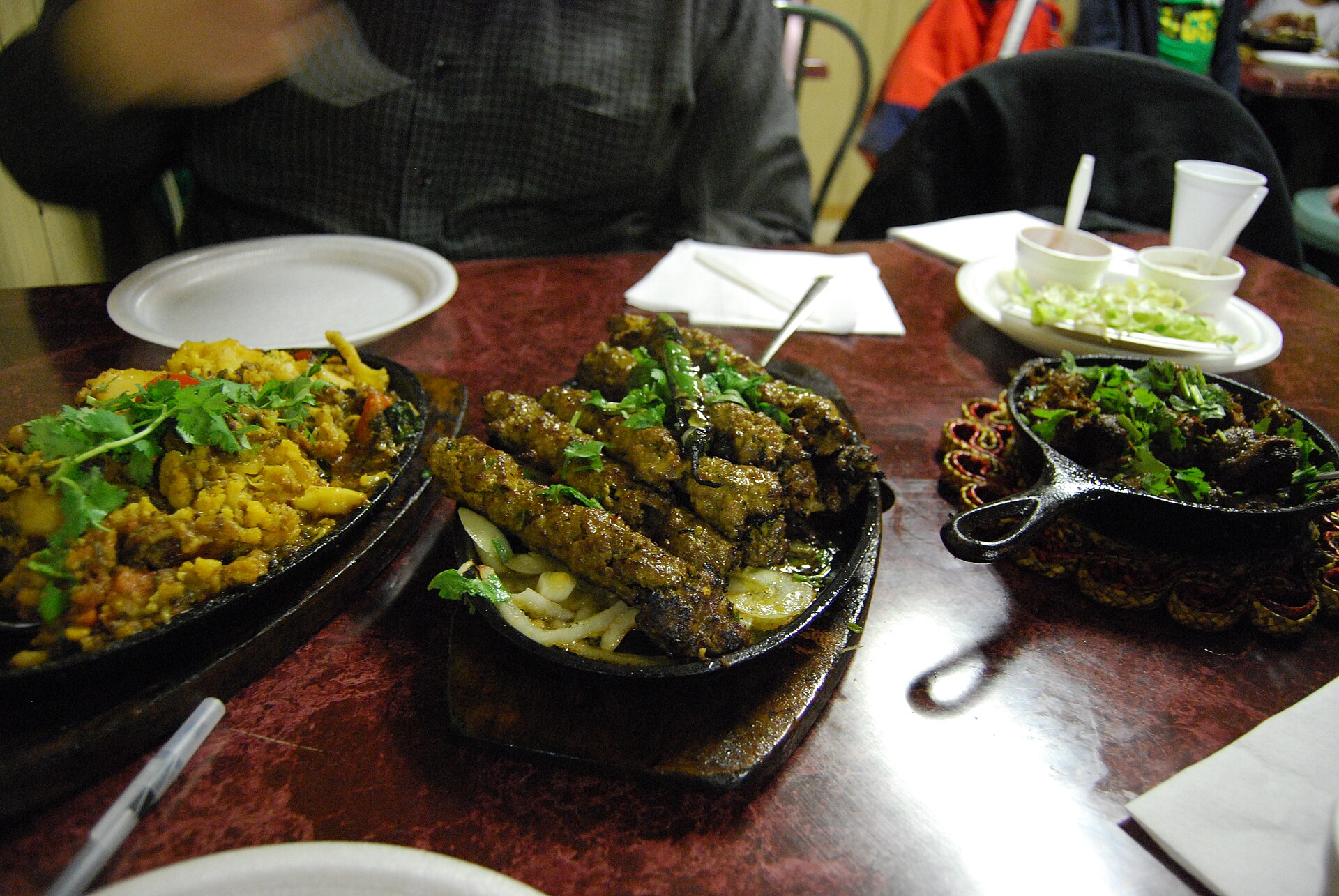
Ask how the kitchen sells the dish before you sit down. Many Pakistani rooms still portion chicken or mutton karahi by the kilo, or by a karahi that is understood to feed a stated number of people if bread is on the table. A “family karahi” on a menu board is not a legal unit. Confirm bone-in or boneless, the meat, and whether the price you heard includes naan. If the waiter cannot say, you do not yet have an order; you have a hope.
Bone-in chicken is the ordinary restaurant karahi in Lahore and Karachi. Boneless cooks faster and vanishes faster. Mutton needs a kitchen that is actually making it, not reheating a red stew. If six adults want to share, start with a kilo of chicken karahi or the house pan that the room itself describes as enough for four to five with bread, then add a second dish that is not another karahi. Two identical pans look abundant and eat like a single idea.
Count bread before you count people
Naan and roti are the cutlery. Six people who are talking will go through more bread than six people who are performing restraint. Order a first wave — enough that nobody is waiting with a spoon — and keep a second wave in mind rather than stacking a tower that cools into cardboard. Tandoor bread should arrive hot. If it does not, say so once, clearly. A room that cannot recook bread is not ready for a table of six.
Rice is optional, not a second dinner. A small pulao or steamed rice can help a child or a guest who does not eat with bread, but a full biryani plus a kilo of karahi is how leftover gravy becomes a moral problem at midnight. If you want rice, make it a modest plate and let the karahi stay the centre. Pickles, onion, lemon, and a plain yoghurt raita do more for six people than a third rich gravy.
One person who cannot eat the chilli still has to eat
Spice is not evenly distributed around Pakistani tables, and a karahi cooked “as usual” can strand one guest. Ask whether the kitchen can keep a portion milder, or whether green chilli is finished at the table. Do not make the whole pan timid for one person if five others came for heat; do not pretend the one person can “just eat bread”. A daal, a vegetable, or a grilled item is the grown-up solution. It also gives the table something to eat if the karahi is late.
Allergies and religious constraints belong in the first sentence to the waiter, not as a correction after the pan lands. If someone does not eat meat, karahi is the wrong centrepiece. Order the vegetarian dishes from the part of the menu the kitchen actually cooks, not from a translation that exists to look complete. For hygiene questions in Punjab — a kitchen that looks unsafe, a complaint that needs a public body rather than a group chat — the Punjab Food Authority publishes consumer routes, including a helpline. That is a civic tool, not a restaurant review.
Leave the leftover gravy problem on the table
Karahi should be eaten while it is still a fry, not a stew cooling under a lid. If conversation is the point of the night, do not order so much that the last twenty minutes are an argument about foil. Takeaway is fine when the kitchen packs it hot; it is not a virtue if you ordered a second kilo from anxiety. Watch the pan. When the bread starts scraping metal, you ordered correctly. When a slick remains and nobody will claim it, you ordered a photograph.
Pay as one bill if you can. Splitting six ways over a kilo that was never six identical plates is how friends fall out over fifty rupees of naan. Tip for service that actually arrived hot. Thank the people who cooked in a karahi, which is work, and do not film the waiter’s hands. The point of a table of six is that everyone ate. If that happened, the evening worked.
- Confirm weight, meat, and whether bread is included.
- Order one karahi plus contrast, not two identical pans.
- Send bread in waves.
- Name chilli, allergies, and vegetarian needs before the pan is on the fire.
- Stop ordering when the table is still hungry enough to finish what is there.
A karahi for six is a shared tool. Ask the room how it sells the dish, feed the people who cannot eat the chilli, keep bread moving, and resist the panic pan. If you leave with a story about the gravy instead of about the conversation, the order was the problem.
Sources and official profiles
Filed under
Keep reading
Related stories
More from this desk, this beat, and the tags on this piece.
Halal restaurant claims: what diners can reasonably verify
Hassan Raza · 13 Sep 2026 · 13 min
Family-style Pakistani restaurant ordering without over-ordering
Hassan Raza · 13 Sep 2026 · 15 min
Pakistani restaurant tasting checklist: judging the kitchen, not the décor
Hassan Raza · 13 Sep 2026 · 15 min
How to order Pakistani food for a mixed-spice-tolerance table
Hassan Raza · 13 Sep 2026 · 15 min
Readers
The conversation
0 notes
Anyone can leave a note. Guests add a name and email — no account required, and the email is never published.
No notes yet. Yours would be the first.