Makli Necropolis: how to visit one of the world's largest funerary landscapes
Makli is not one tomb complex. It is a vast funerary landscape containing monuments to rulers, saints, scholars and others across several centuries of Sindh's history.
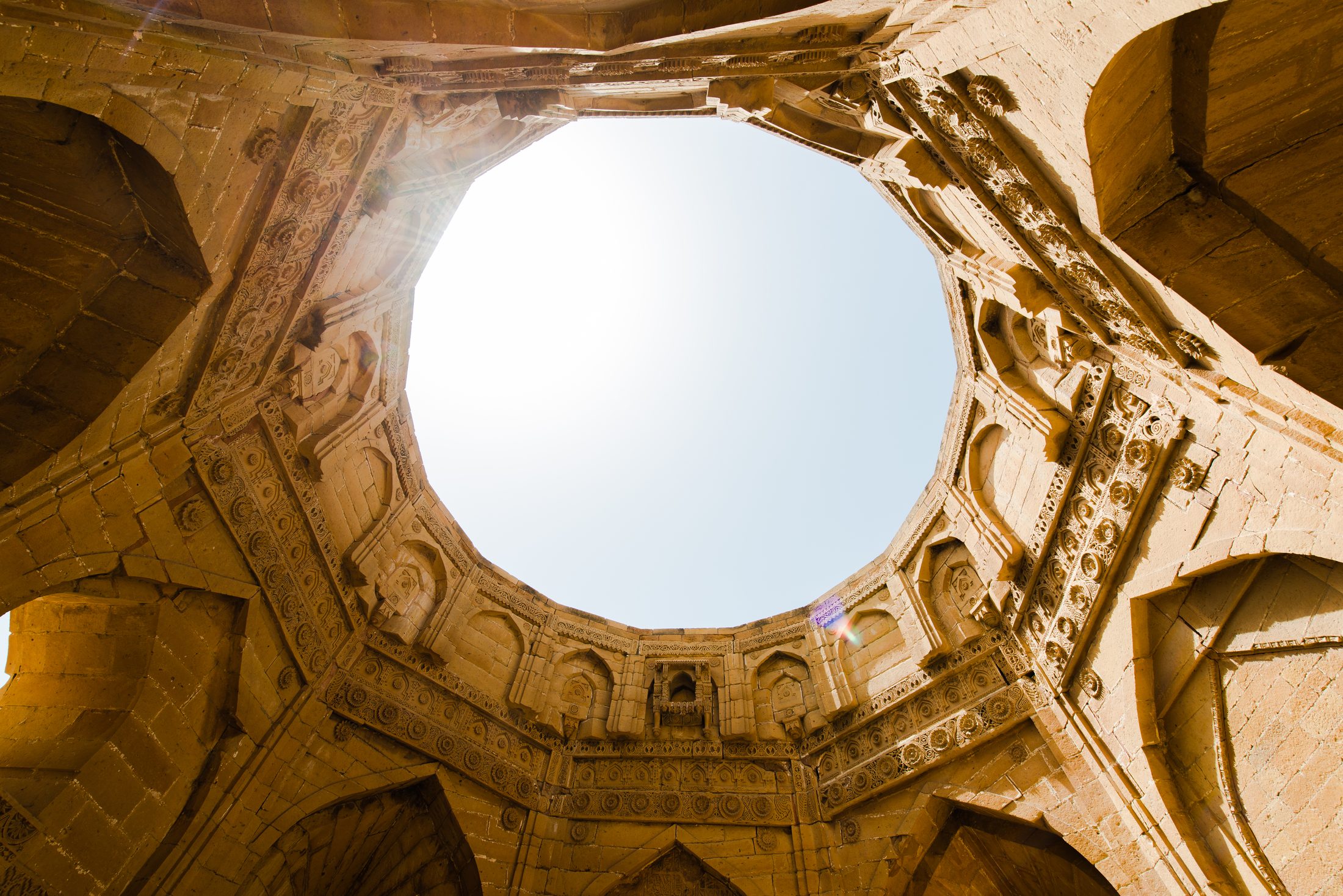
Makli's scale changes the way a visitor thinks about a cemetery. UNESCO describes roughly half a million tombs and graves across about ten square kilometres, associated with Thatta's role as a political and cultural centre from the fourteenth to eighteenth centuries.
The landscape contains royal mausoleums, saints' shrines, carved stone graves, brick monuments and glazed tile. The variety reflects several dynasties and artistic traditions rather than one architectural programme.
Thatta as a political centre
Makli grew beside a city that served as capital under successive dynasties and later came under Mughal rule.
The necropolis is therefore inseparable from the political history of lower Sindh.
A landscape, not a single enclosure
Monuments are distributed across a long plateau. Distance between clusters is part of the experience.
Plan a route rather than expecting one gate to reveal the entire site.
Stone carving
Sandstone tombs use geometric, floral and calligraphic carving with extraordinary surface density.
Close inspection shows how decorative language changes across patrons and periods.
Brick and tile
Other monuments use brick and glazed tile, connecting Makli visually with wider Sindhi and Central Asian traditions.
Material differences also create different conservation problems.
Rulers, saints and scholars
The necropolis contains elite royal burials as well as religious and intellectual figures.
A cemetery this large cannot be read only through famous rulers.
Jam Nizamuddin and Samma monuments
Samma-period architecture forms an important part of Makli's identity, with carved stone work that differs from later Mughal-era forms.
Chronology helps visitors notice change rather than seeing all tombs as one style.
Later Tarkhan and Arghun patronage
Successive ruling groups added new monuments and decorative vocabularies.
Political transition is visible in material culture.
Climate exposure
Wind, heat, salt, rain and changing drainage all affect exposed stone and brick.
Extreme weather events have made conservation needs especially visible in recent years.
Respecting a burial landscape
Makli remains a place of graves and shrines, not an abandoned film set. Dress and behaviour should reflect that.
Avoid climbing monuments or treating graves as benches.
Combining with Thatta
Shah Jahan Mosque and other heritage in Thatta can deepen the day, but Makli alone is large.
Do not overpack the itinerary if heat and travel time are significant.
Conservation and responsible visiting: Makli Necropolis
UNESCO has repeatedly monitored Makli because exposed architecture is vulnerable to weather, water and inappropriate intervention. Responsible tourism means staying off fragile stonework and recognising that repair quality matters as much as visitor numbers.
What to check before you go: Makli Necropolis
- Start early in hot weather.
- Use a guide or map to choose monument clusters.
- Carry water.
- Dress respectfully for a funerary landscape.
- Do not climb carved tombs.
Makli is powerful because scale and detail coexist. From a distance it is a city of the dead; close up, every carved surface records individual patronage, craft and political history in Sindh.
A better way to leave the site: Makli Necropolis
After visiting Makli Necropolis Thatta history, write down three observations that came from the physical place and three things that remain uncertain. That small exercise separates what you actually saw from what you arrived already believing.
Read the site as evidence, not scenery: Makli Necropolis
For Makli Necropolis Thatta history, start by asking what physical evidence is actually visible: street alignment, masonry, water system, burial architecture, defensive wall, monastic cell or garden terrace. Heritage becomes more understandable when the visitor links each claim to a surviving feature rather than memorising a date detached from the ground.
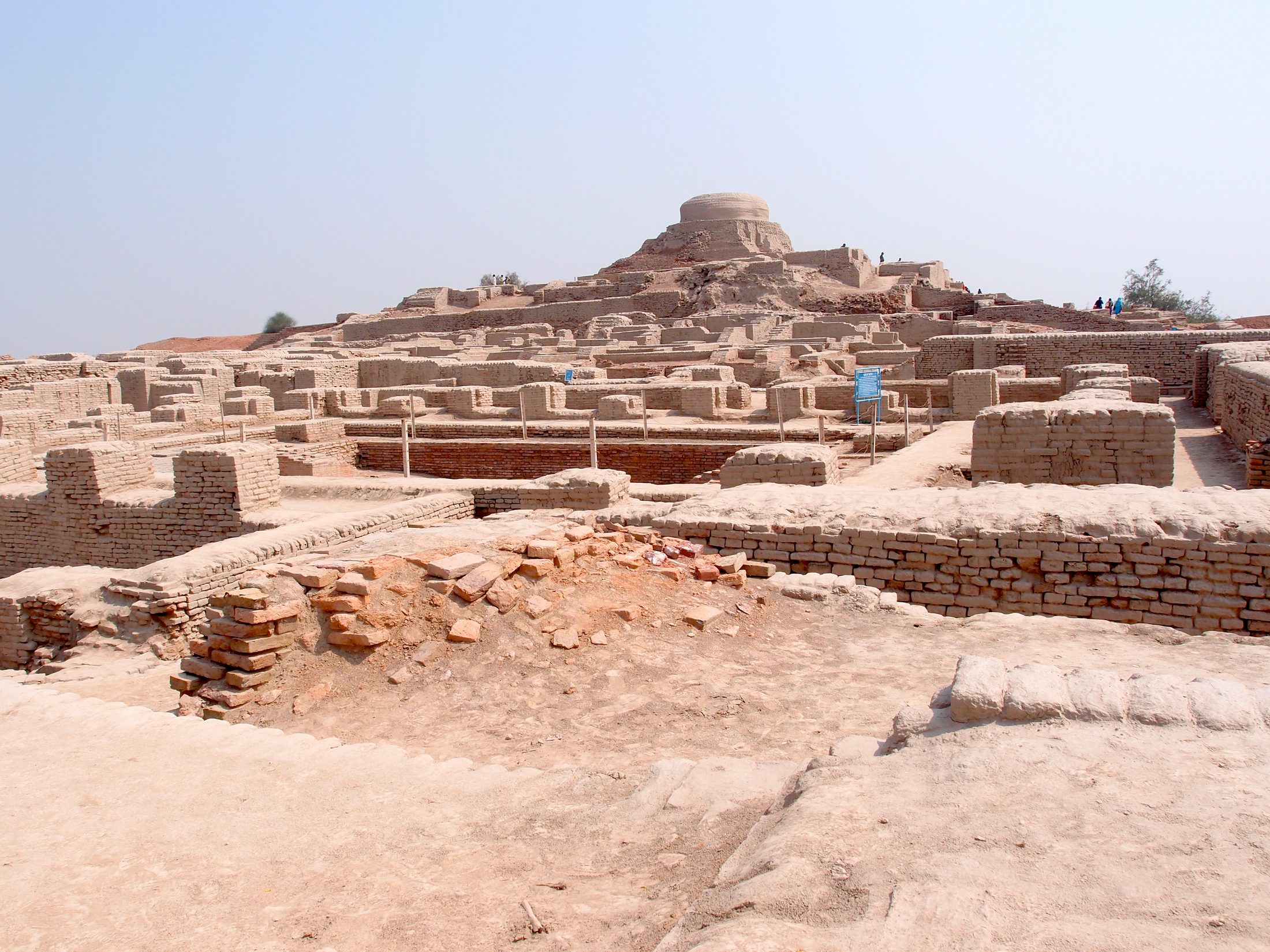
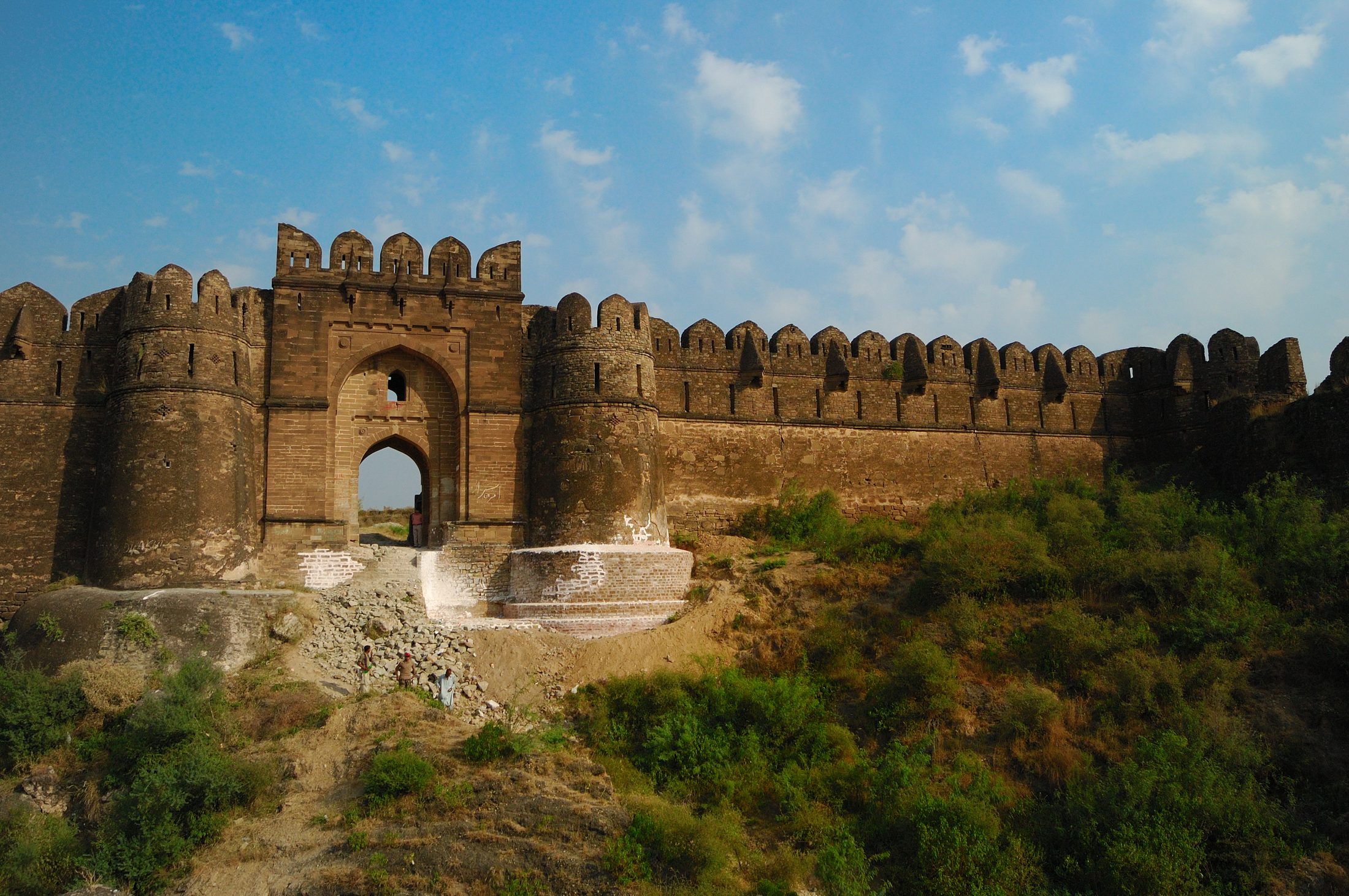
Photographs naturally favour monumental gates and panoramic views, but ordinary infrastructure often carries the stronger historical argument. Drains at Moenjodaro, cells at Takht-i-Bahi and water systems at Shalamar or Rohtas reveal how people organised daily life, not only how rulers presented power.
Chronology prevents several sites becoming one story: Makli Necropolis
A place connected to Makli Necropolis Thatta history may contain layers built centuries apart. Later religious buildings, colonial interventions, Sikh-period use, modern repairs or continuing settlement can sit beside the period that made the site famous. Treating every wall as contemporary creates a false historical picture.
UNESCO status has a specific meaning: Makli Necropolis
World Heritage inscription connected to makli necropolis is based on a formal claim of Outstanding Universal Value under defined criteria, with boundaries and management obligations. It is not a tourism award, and UNESCO does not become the site's owner.
Conservation is an active present-day process: Makli Necropolis
Historic sites associated with makli necropolis survive because people manage water, salt, vegetation, pollution, structural movement, visitor pressure and repairs. Conservation is therefore not a one-time restoration that returns a monument to a perfect original state.
Use guides critically but generously: Makli Necropolis
A knowledgeable local guide can make makli necropolis much more legible by connecting spaces, pointing out construction details and explaining how routes work. Oral explanation is especially valuable at large serial or landscape sites where the visitor cannot carry the full plan in memory.
Travel logistics are part of responsible heritage use: Makli Necropolis
Reaching makli necropolis can involve heat, long road travel, stairs, uneven ground or regions where official travel advice changes. A good heritage itinerary allows time for the physical setting instead of treating the monument as a 30-minute stop between photographs.
Carry water, wear suitable footwear and check current opening and route information. Remote or exposed sites deserve more schedule flexibility than a city museum because weather and access can change the experience quickly.
Economic value and preservation need each other: Makli Necropolis
Visitor spending around makli necropolis can support guides, transport, crafts, food businesses and conservation attention. The challenge is ensuring that economic use does not physically consume the resource through uncontrolled building, litter, traffic or contact with fragile surfaces.
Choosing official tickets, reputable guides and locally rooted services helps move some value into the surrounding community. Responsible tourism is not only a list of things not to touch; it is also a decision about where travel money goes.
Photography can flatten historical scale: Makli Necropolis
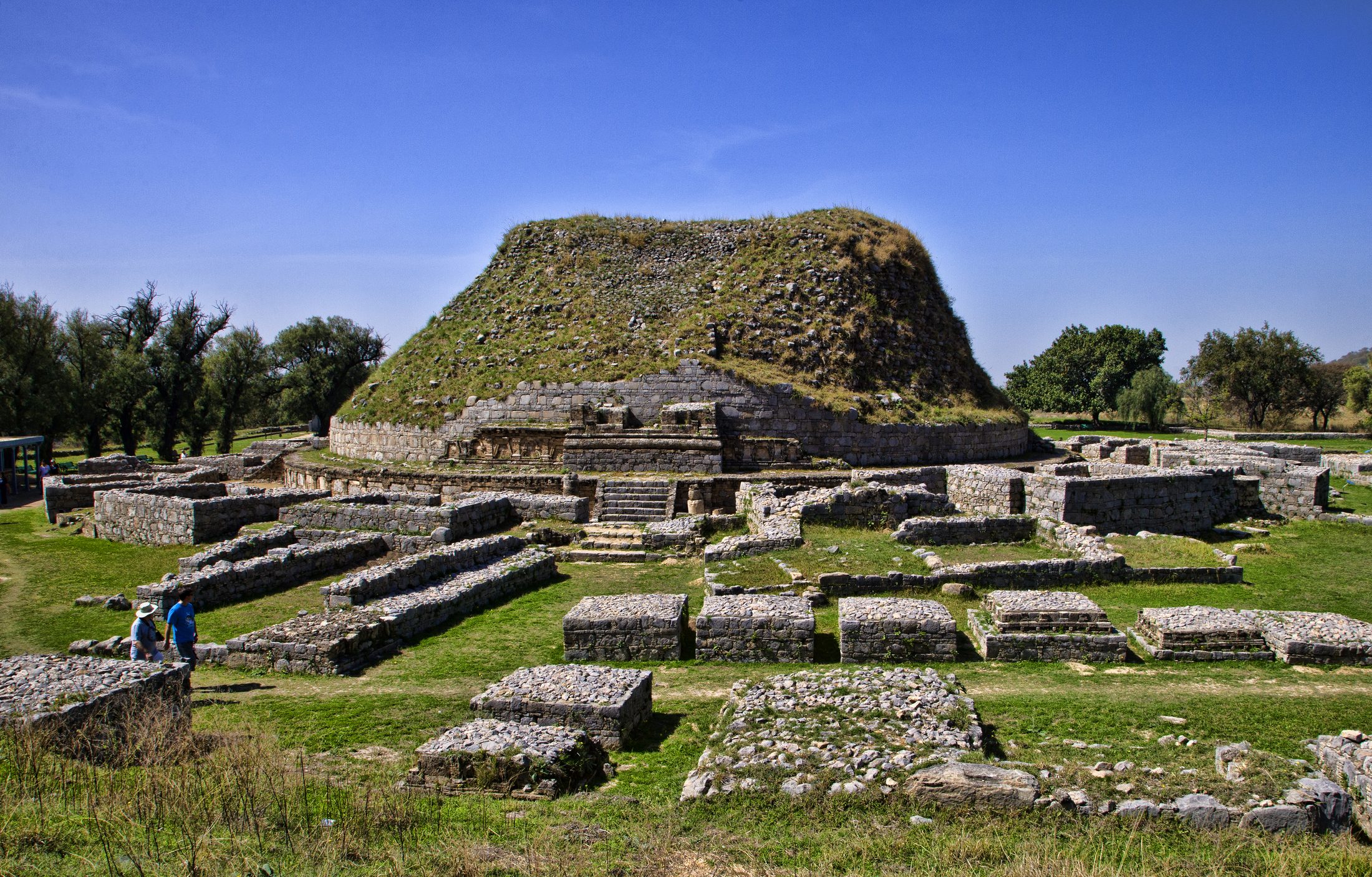
A camera frames makli necropolis into one composition, while the actual site may be kilometres wide or made of many components. This is especially important at Makli, Taxila, Rohtas and other landscape-scale heritage where no single image communicates the full spatial argument.
Use maps and walking routes to understand distance and relationship. A photograph of one gate or tomb can be beautiful without being representative of the whole property.
What not to claim: Makli Necropolis
Heritage writing around makli necropolis should resist precise origin stories that outrun the evidence. Ancient sites rarely provide a named founder, exact ritual function and complete social hierarchy simply because modern readers want a tidy explanation.
How to use this article as a reference: Makli Necropolis
Save the specific official or primary source that matters most for makli necropolis, along with the date you checked it. If the subject is commercial, keep the product label or receipt; if it is administrative, keep the application reference; if it is health-related, write down the question you need to take to a clinician. This turns reading into a record you can use later.
Makli requires a different pace from a single tomb
The necropolis covers a vast landscape with monuments from different periods and patrons. Decide before arrival whether you want an overview route or time with a smaller group of significant tombs. Trying to “see Makli” as one object encourages rushed driving and hides the differences in stone carving, brickwork, scale and funerary architecture.
Use a guide, map or reliable site information to identify whose monuments you are looking at and roughly when they were built. Without that chronology, elaborate surfaces can collapse into one decorative style even though the cemetery records changing dynasties, communities and artistic traditions.
Photograph details without treating the cemetery as a set
Makli is both heritage and a funerary landscape. Respect barriers, graves and local visitors, and avoid climbing on monuments for a better angle. Sun and heat can be severe, so plan water, shade breaks and timing. Careful behaviour protects fragile surfaces and keeps the visit appropriate to the nature of the place.
Use the guide in real life
At Makli Necropolis, slow the visit down enough to connect the object or building in front of you with the chronology described in the guide. A map, museum label or official site description can help separate construction phases, later alterations and modern restoration. That distinction is more valuable than collecting a large number of photographs without knowing what each one represents.
At makli necropolis, check current opening, route and conservation restrictions before travelling, and treat barriers as part of caring for the site. Where a guide gives a dramatic superlative or very precise historical story, ask what source supports it. Good heritage interpretation can admit uncertainty without making the place less interesting.
Sources and official profiles
Was this helpful?
Keep reading
Related stories
More from this desk, this beat, and the tags on this piece.
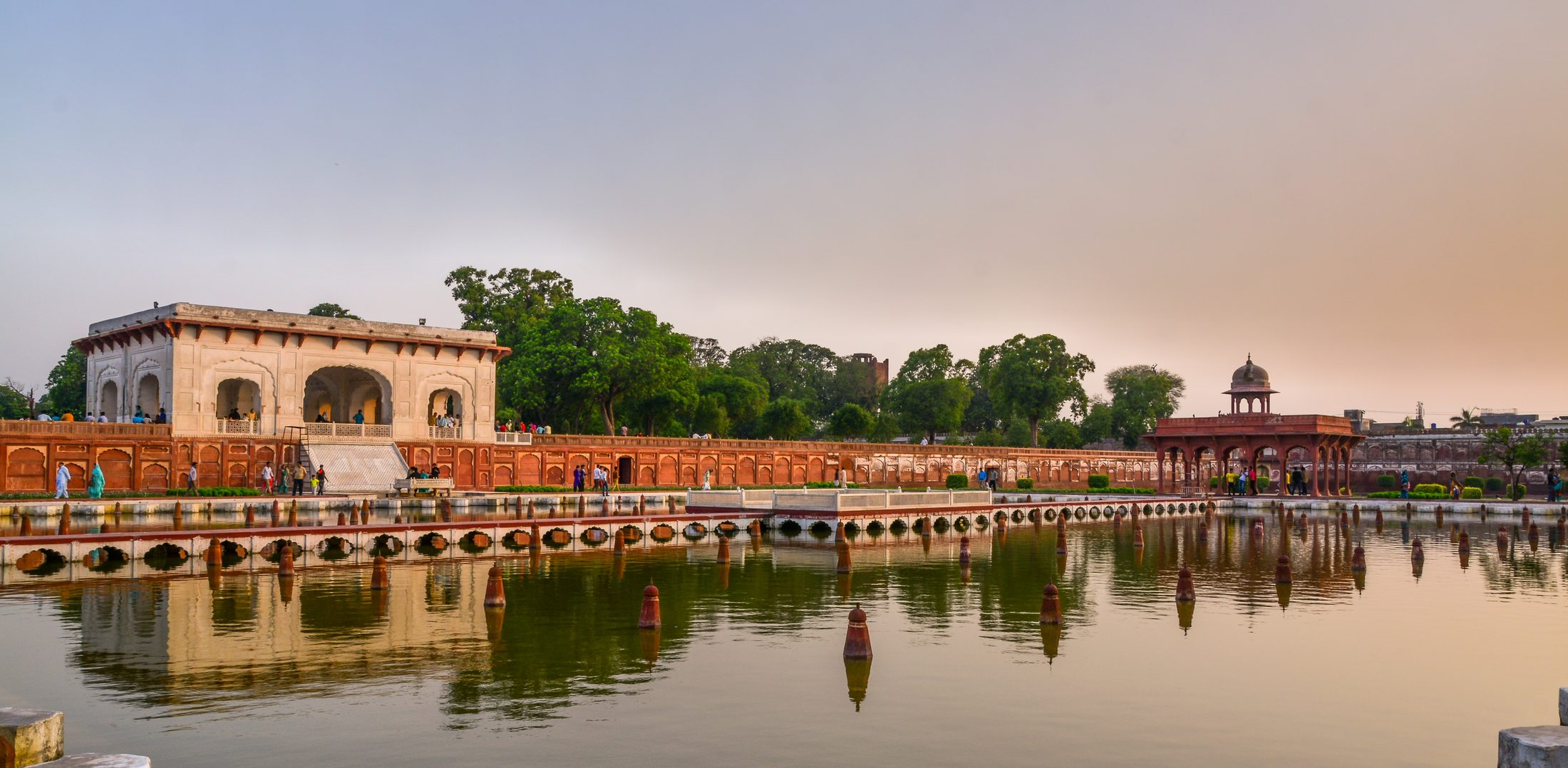
Shalamar Gardens: the Mughal water system behind Lahore's famous terraces
Bilal Ahmed · 28 Oct 2026
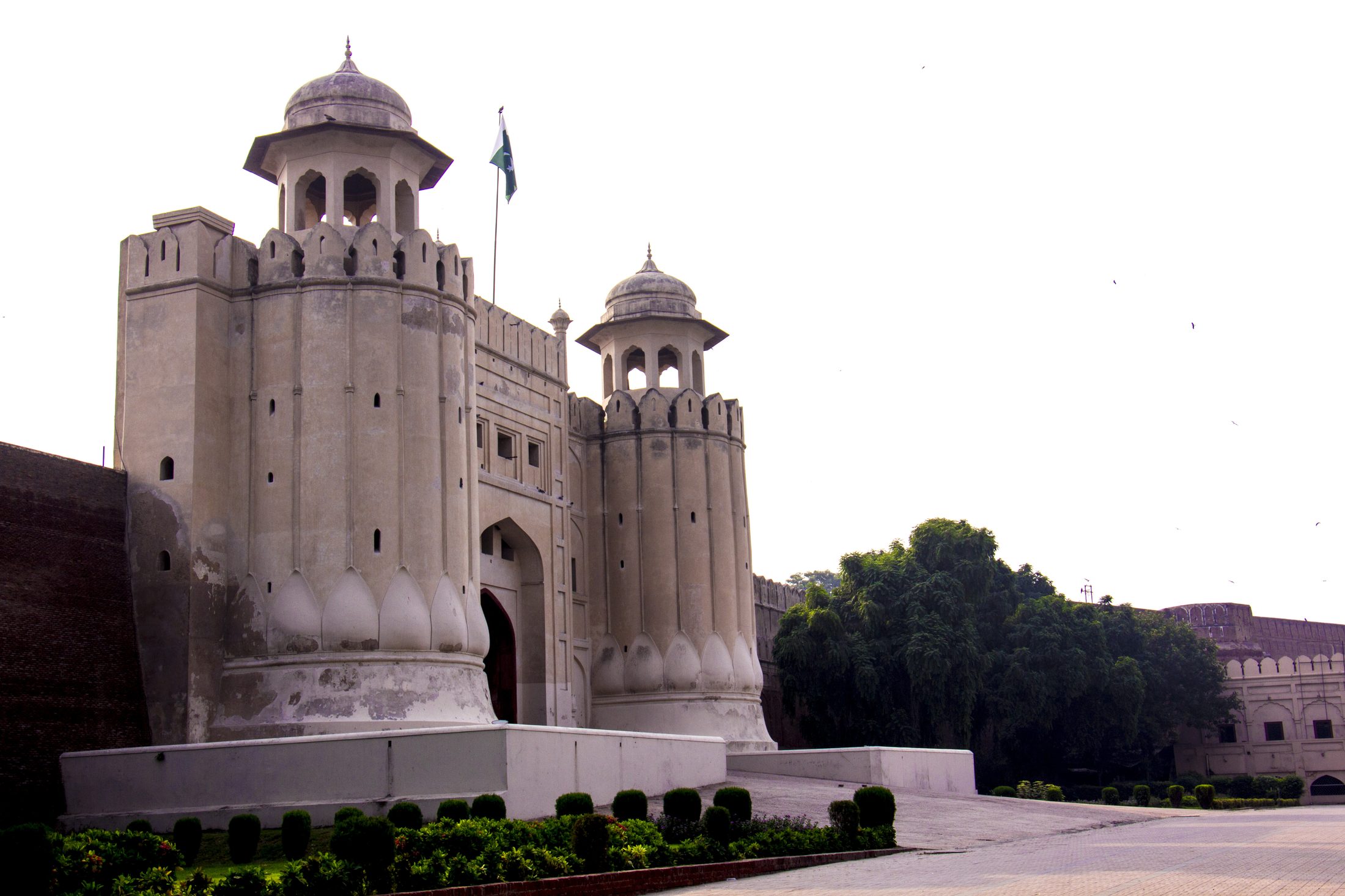
Pakistan has six UNESCO World Heritage Sites: what each one represents
Bilal Ahmed · 12 Oct 2026
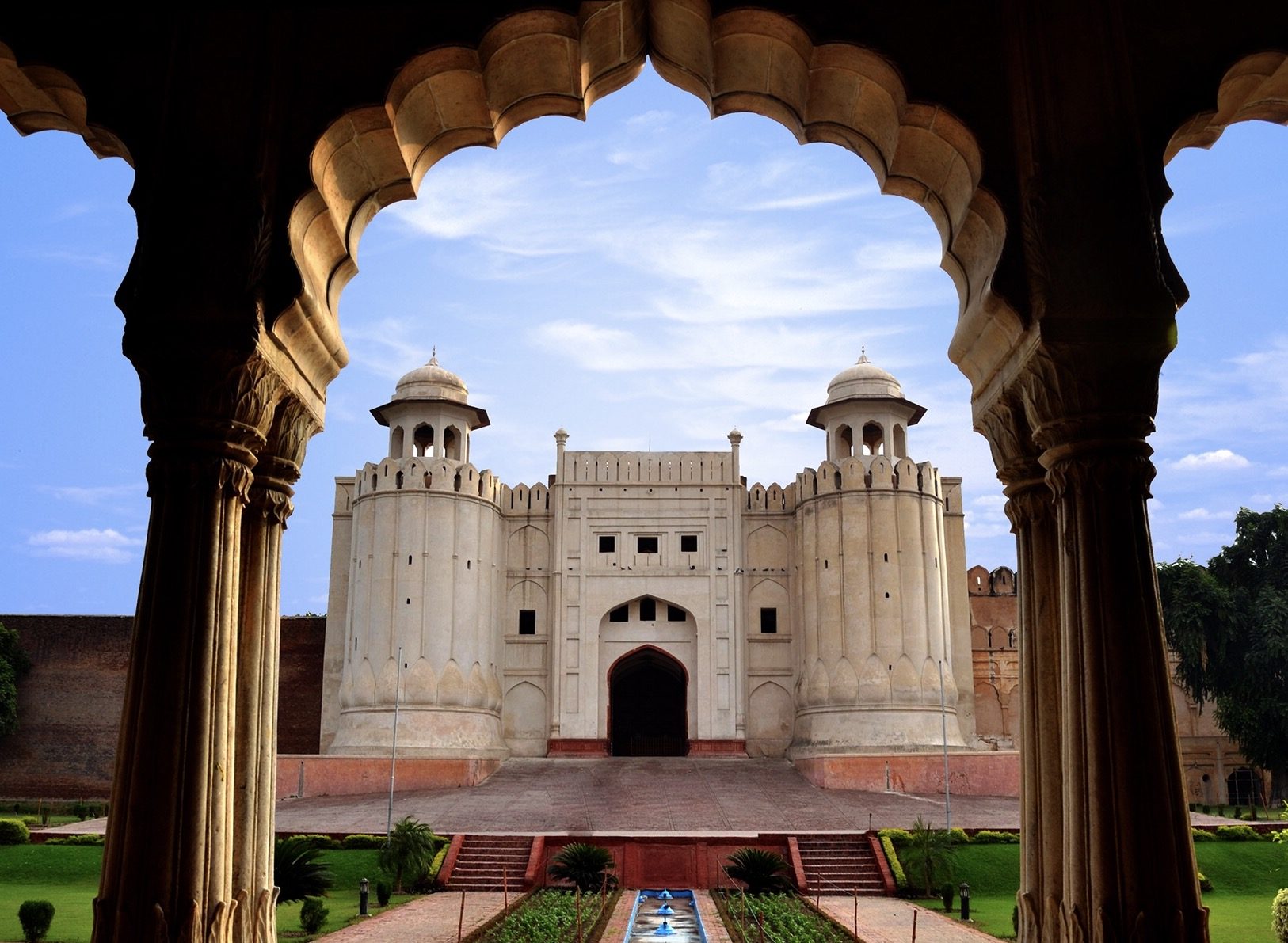
Lahore Fort is a timeline in stone: how Akbar, Jahangir and Shah Jahan changed it
Bilal Ahmed · 5 Oct 2026
Taxila is four cities and a Buddhist landscape: how to read the UNESCO site
Bilal Ahmed · 25 Oct 2026
Rohtas Fort: why Sher Shah Suri built four kilometres of walls in Punjab
Bilal Ahmed · 24 Oct 2026
Readers
The conversation
0 notes
Anyone can leave a note. Guests add a name and email — no account required, and the email is never published.
No notes yet. Yours would be the first.