Shalamar Gardens: the Mughal water system behind Lahore's famous terraces
Shalamar Gardens is not simply a park with Mughal buildings. Its geometry depends on water: channels, pools, fountains and descending terraces organise the entire royal landscape.
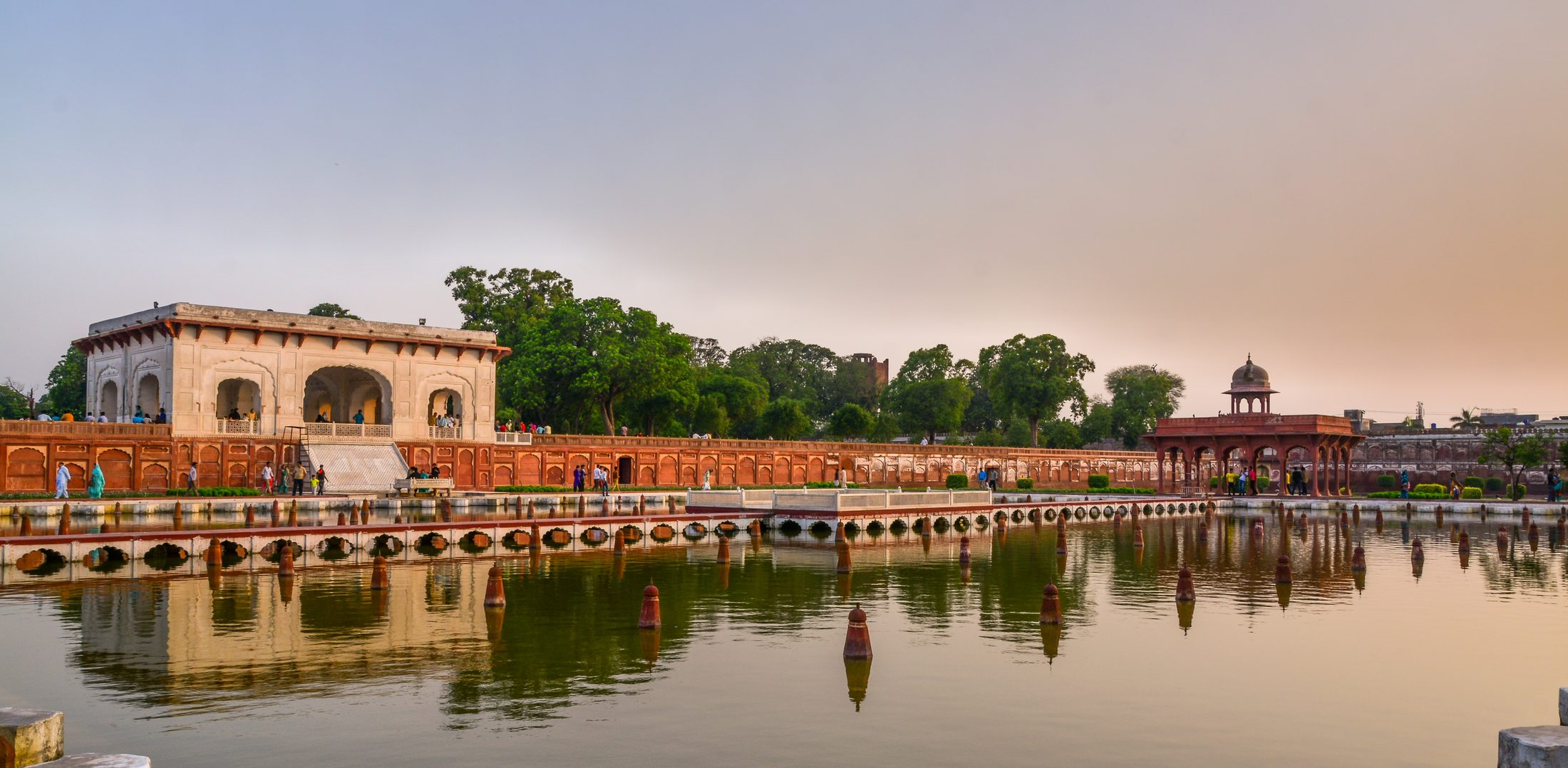
Shalamar Gardens can look deceptively simple in photographs: pools, trees, pavilions and long lines of fountains. The real design is hydraulic and geometric. Water connects the terraces and gives the garden movement, sound, reflection and climate control.
UNESCO dates construction to Shah Jahan's reign in 1641–42 and describes the 16-hectare garden as a high point of Mughal design, combining Persian and medieval Islamic garden traditions in a specifically Lahori royal landscape.
Three terraces
The garden descends across three principal terraces. Changes in level allow water to move and create different spatial experiences.
Walking the terraces sequentially makes the design easier to understand than entering only for individual pavilions.
Water as architecture
Channels, pools, cascades and fountains are not decoration added to a garden; they are the organising system.
Reflection enlarges architecture visually while moving water changes sound and air.
Fountains and pressure
Historic fountain systems depended on controlled water supply and hydraulic head rather than modern electric pumps in their original conception.
Maintaining these systems today requires conservation of channels as well as visible stonework.
Trees and planting
Cypress and other plantings contributed shade, vertical rhythm and symbolic associations within Mughal garden traditions.
Living vegetation changes over time, making authenticity in a garden different from authenticity in a stone building.
Pavilions
Built structures frame views, shelter visitors and organise courtly use of the landscape.
Their relationship to water and terrace level matters more than treating them as isolated mini-palaces.
Enclosure
The crenellated walls make the garden an ordered world separated from the surrounding city.
Modern urban growth outside the walls nevertheless affects setting, access and conservation.
Climate and comfort
Shade, water and air movement had practical value in Lahore's heat as well as aesthetic meaning.
The garden was a designed environmental experience, not only an imperial symbol.
World Heritage with the Fort
UNESCO inscribed Shalamar together with Lahore Fort because the pair shows different expressions of Mughal power: monumental architecture and controlled landscape.
Visiting both in the same trip makes that contrast visible.
Conservation pressures
Water management, urban development and historic infrastructure have all shaped conservation concerns.
A functioning fountain display is not the only measure of whether the historic system is being protected.
Best way to read the garden
Walk the long axes, stop at level changes and notice what each pavilion frames. The design reveals itself through movement.
A fast circuit around the perimeter misses the point of the composition.
Conservation and responsible visiting: Shalamar Gardens
Historic gardens combine archaeology, architecture, water engineering and living plants. Conservation must manage all four, which is why apparently simple changes to drainage or roads outside a garden can matter.
What to check before you go: Shalamar Gardens
- Visit in cooler hours.
- Walk all three terraces.
- Notice water level changes.
- Pair with Lahore Fort for context.
- Respect planting beds and barriers.
Shalamar is best understood as a machine for organising water, shade and royal movement. The fountains are memorable because they belong to a much larger system of terrace, geometry and climate design.
UNESCO status has a specific meaning: Shalamar Gardens
World Heritage inscription connected to Shalamar Gardens Lahore history water system is based on a formal claim of Outstanding Universal Value under defined criteria, with boundaries and management obligations. It is not a tourism award, and UNESCO does not become the site's owner.
Conservation is an active present-day process: Shalamar Gardens
Historic sites associated with Shalamar Gardens Lahore history water system survive because people manage water, salt, vegetation, pollution, structural movement, visitor pressure and repairs. Conservation is therefore not a one-time restoration that returns a monument to a perfect original state.
Use guides critically but generously: Shalamar Gardens
A knowledgeable local guide can make Shalamar Gardens Lahore history water system much more legible by connecting spaces, pointing out construction details and explaining how routes work. Oral explanation is especially valuable at large serial or landscape sites where the visitor cannot carry the full plan in memory.
At the same time, dramatic stories can travel faster than evidence. When a tale identifies a specific king, tunnel, treasure or miraculous event, ask whether it comes from archaeology, a historical text or local tradition. All three can be interesting when labelled correctly.
Travel logistics are part of responsible heritage use: Shalamar Gardens
Reaching shalamar gardens can involve heat, long road travel, stairs, uneven ground or regions where official travel advice changes. A good heritage itinerary allows time for the physical setting instead of treating the monument as a 30-minute stop between photographs.
Economic value and preservation need each other: Shalamar Gardens
Visitor spending around shalamar gardens can support guides, transport, crafts, food businesses and conservation attention. The challenge is ensuring that economic use does not physically consume the resource through uncontrolled building, litter, traffic or contact with fragile surfaces.
Photography can flatten historical scale: Shalamar Gardens
A camera frames shalamar gardens into one composition, while the actual site may be kilometres wide or made of many components. This is especially important at Makli, Taxila, Rohtas and other landscape-scale heritage where no single image communicates the full spatial argument.
What not to claim: Shalamar Gardens
Heritage writing around shalamar gardens should resist precise origin stories that outrun the evidence. Ancient sites rarely provide a named founder, exact ritual function and complete social hierarchy simply because modern readers want a tidy explanation.
A better way to leave the site: Shalamar Gardens
After visiting shalamar gardens, write down three observations that came from the physical place and three things that remain uncertain. That small exercise separates what you actually saw from what you arrived already believing.
Read the site as evidence, not scenery: Shalamar Gardens
For shalamar gardens, start by asking what physical evidence is actually visible: street alignment, masonry, water system, burial architecture, defensive wall, monastic cell or garden terrace. Heritage becomes more understandable when the visitor links each claim to a surviving feature rather than memorising a date detached from the ground.
Chronology prevents several sites becoming one story: Shalamar Gardens
A place connected to shalamar gardens may contain layers built centuries apart. Later religious buildings, colonial interventions, Sikh-period use, modern repairs or continuing settlement can sit beside the period that made the site famous. Treating every wall as contemporary creates a false historical picture.
How to use this article as a reference: Shalamar Gardens
Save the specific official or primary source that matters most for shalamar gardens, along with the date you checked it. If the subject is commercial, keep the product label or receipt; if it is administrative, keep the application reference; if it is health-related, write down the question you need to take to a clinician. This turns reading into a record you can use later.
When circumstances change, update the one fact that changed rather than discarding the whole guide. That is especially important for regulations, travel conditions and health guidance, where a stable underlying principle can coexist with changing thresholds or procedures.
Read the garden through water and level changes
Shalamar Gardens is not simply a green space with historic pavilions. Its terraces, channels, pools and fountains were designed as a coordinated system in which engineering and aesthetics reinforce each other. Walk slowly enough to notice how views and water movement change as you move between levels.
When fountains are not operating exactly as imagined from historic descriptions, avoid concluding that the original design was simple or ineffective. Heritage water systems face maintenance, supply and conservation constraints. Use plans and historical interpretation to reconstruct how the hydraulic design worked rather than judging it only from one day’s operating condition.
Compare shade, sound and movement
A Mughal garden was experienced through more than geometry. Water changes sound and temperature; trees shape shade and views; raised platforms and pavilions change where people stop. Paying attention to those sensory relationships helps explain why the engineering mattered culturally, not just mechanically.
A final practical check: Shalamar Gardens
At Shalamar Gardens, slow the visit down enough to connect the object or building in front of you with the chronology described in the guide. A map, museum label or official site description can help separate construction phases, later alterations and modern restoration. That distinction is more valuable than collecting a large number of photographs without knowing what each one represents.
At shalamar gardens, check current opening, route and conservation restrictions before travelling, and treat barriers as part of caring for the site. Where a guide gives a dramatic superlative or very precise historical story, ask what source supports it. Good heritage interpretation can admit uncertainty without making the place less interesting.
For shalamar gardens, keep the article’s historical, administrative or health context separate from the live detail that may change. Check the current official source before relying on opening arrangements, application requirements, safety guidance or clinical advice, while using the guide to understand what the evidence means.
Sources and official profiles
Filed under
Was this helpful?
Keep reading
Related stories
More from this desk, this beat, and the tags on this piece.
Lahore Fort is a timeline in stone: how Akbar, Jahangir and Shah Jahan changed it
Bilal Ahmed · 5 Oct 2026
Makli Necropolis: how to visit one of the world's largest funerary landscapes
Bilal Ahmed · 27 Oct 2026
Rohtas Fort: why Sher Shah Suri built four kilometres of walls in Punjab
Bilal Ahmed · 24 Oct 2026
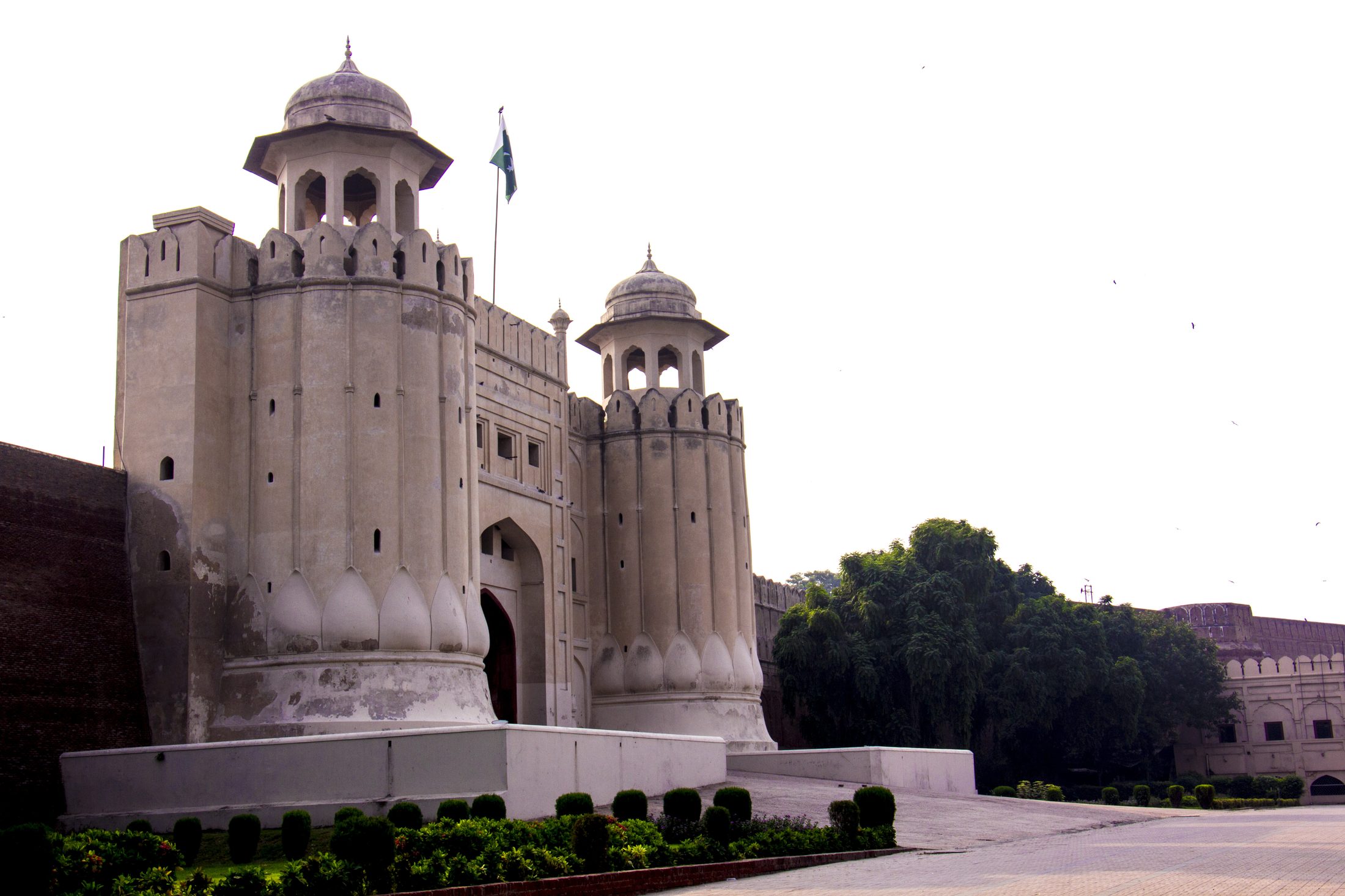
Pakistan has six UNESCO World Heritage Sites: what each one represents
Bilal Ahmed · 12 Oct 2026
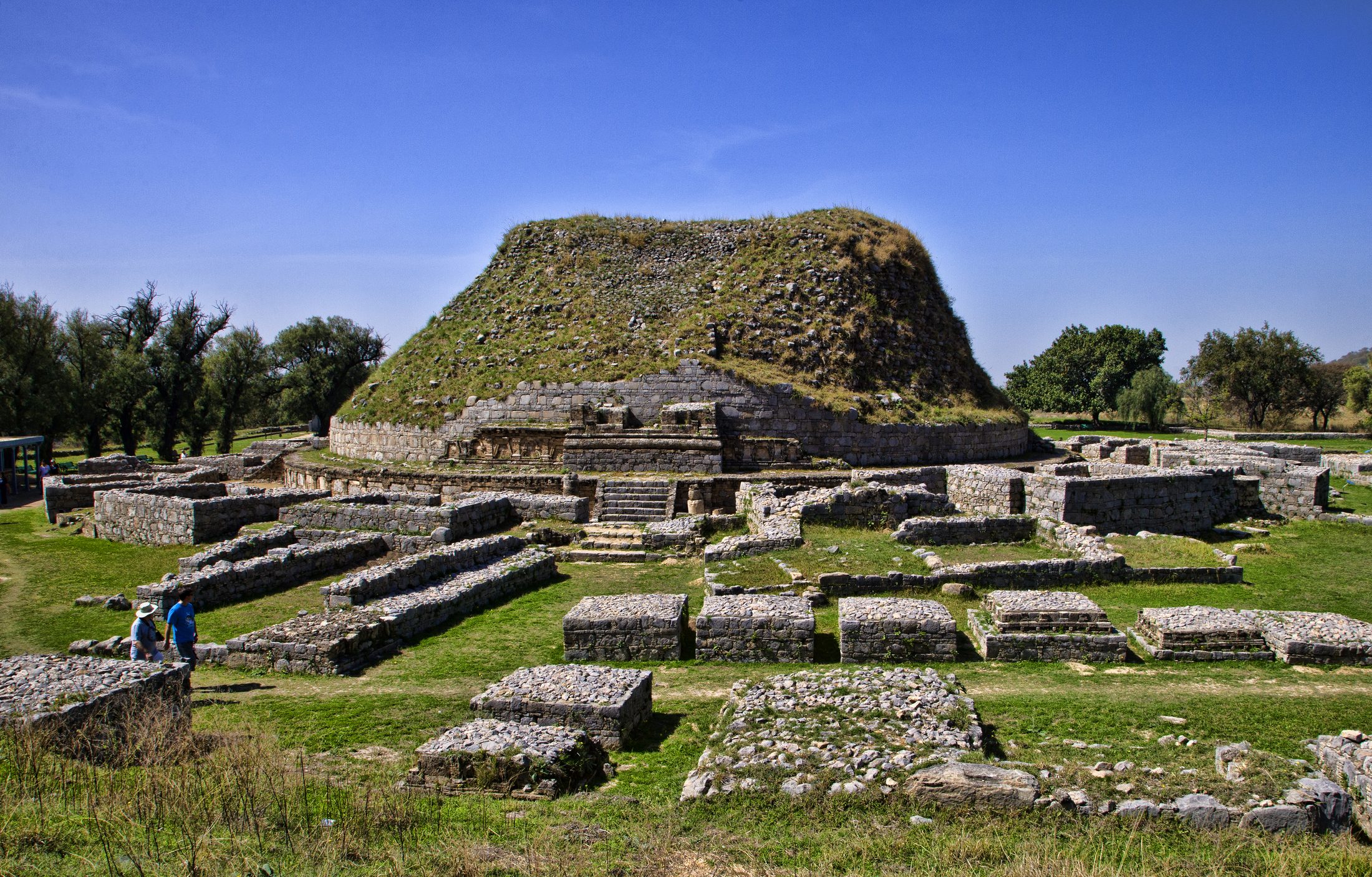
Taxila is four cities and a Buddhist landscape: how to read the UNESCO site
Bilal Ahmed · 25 Oct 2026
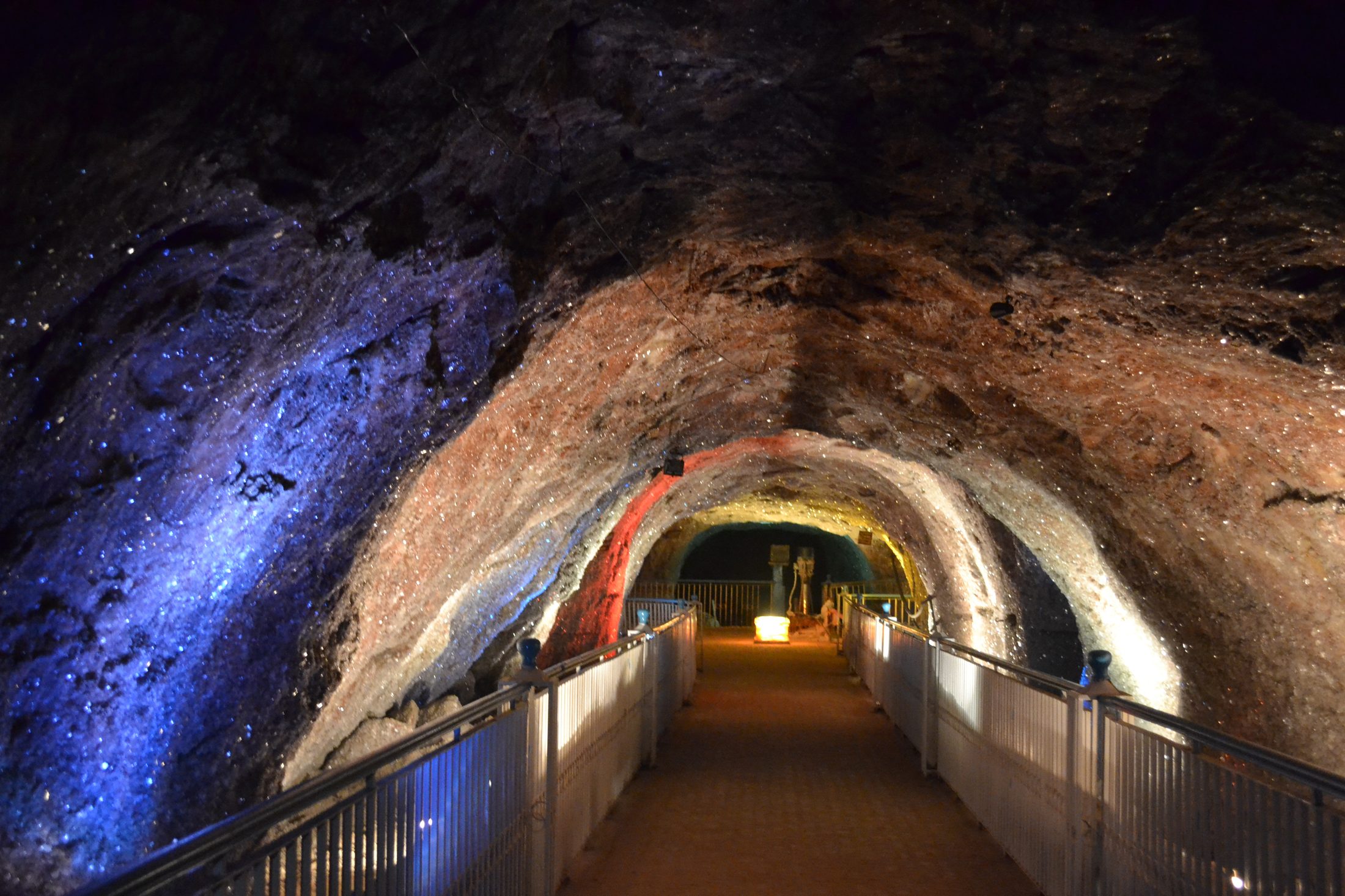
Khewra Salt Mine and the Salt Range: what UNESCO tentative status actually means
Bilal Ahmed · 5 Oct 2026
Readers
The conversation
0 notes
Anyone can leave a note. Guests add a name and email — no account required, and the email is never published.
No notes yet. Yours would be the first.