Buying unstitched lawn online: how to read the product page before you pay
Online lawn shopping is easier when you read the listing as a cutting brief: fabric composition, piece count, widths, embroidery placement, lining needs, colour and return rules.
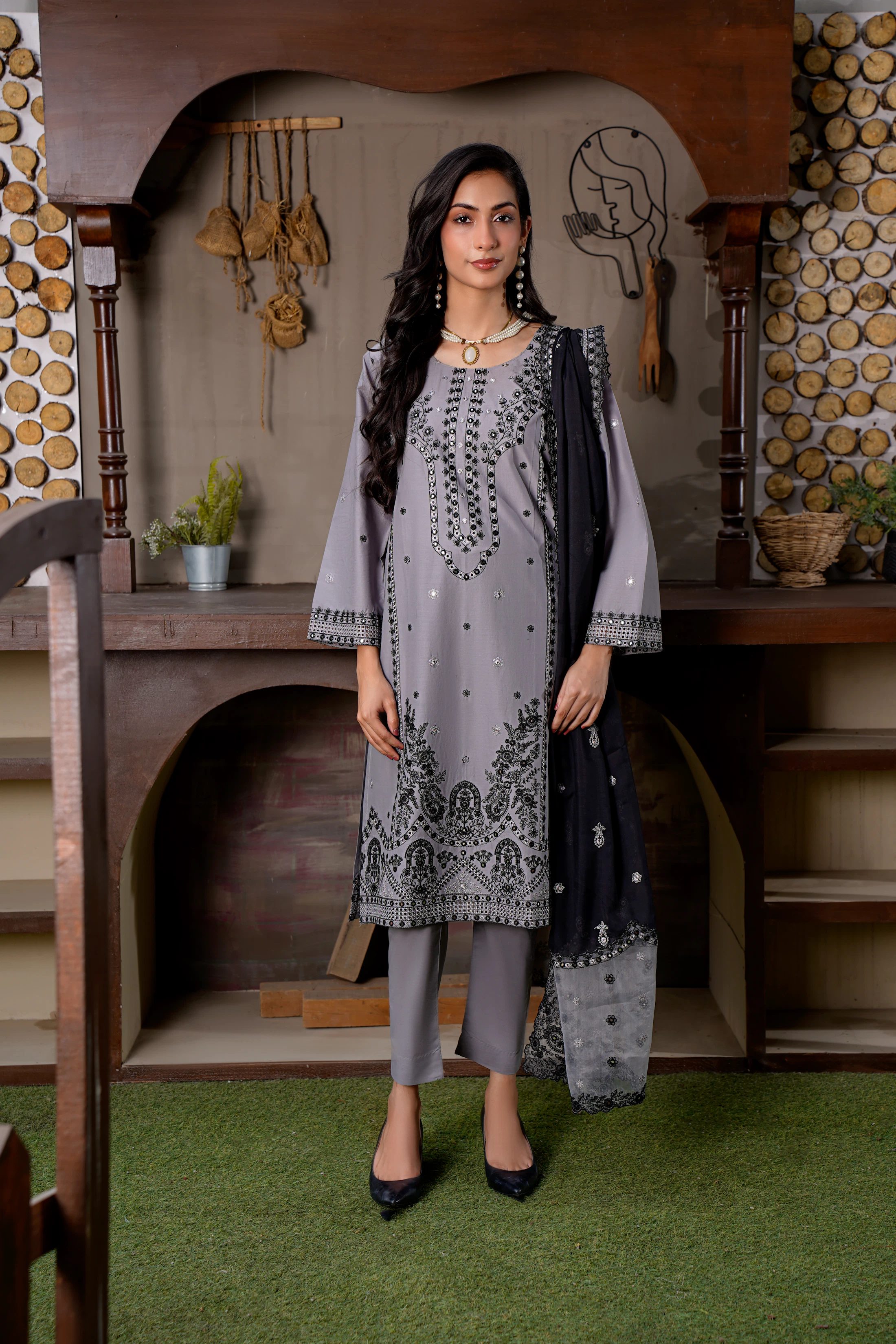
The photograph is the most persuasive part of an unstitched lawn listing and often the least useful part for deciding whether the suit will work for you. The safer habit is to read the product page like a tailor would: what cloth is actually in the packet, how much of it there is, where the embroidery sits, and what still has to be bought before the outfit becomes wearable.
Start with the piece count, then distrust the shorthand
“Three-piece” usually points to shirt, trouser and dupatta fabric, but it does not tell you whether the shirt has separate embroidered panels, whether sleeves are supplied as a border, or whether the trouser is dyed cotton while the shirt is lawn. Read the component list line by line. If there is only a campaign caption and no technical description, ask before paying.
Save a screenshot of that component list. It is useful if a packet arrives with a missing border or a different dupatta from the one described.
Fabric names tell you less than fabric jobs
Lawn is generally chosen for its lightness in warm weather, but the word alone does not promise opacity, softness or identical weight across brands. Look for the composition of the trouser and dupatta as well. Organza, chiffon and net can be beautiful in photographs and can also add a lining, slip or careful finishing job to your tailoring bill.
Ask a practical question: what will touch my skin on a hot afternoon? If the embroidered front is heavily backed or the sleeves are densely worked, the finished suit may wear warmer than the “summer lawn” label suggests.
Check whether the design fits the amount of cloth
Tall wearers, wider hems, fuller sleeves and generous shalwars all consume fabric. A product page should give lengths or enough information for the seller to answer. Send the listing to your tailor before cutting day if the layout is complicated. Once a border has been cut, a return policy is no longer the important part of the conversation.
Embroidery placement changes the tailoring
Zoom in on the flat-lay image, not only the model shot. Is the neckline already embroidered? Is the motif centred on a front panel? Are sleeve borders separate? Is the back plain? A campaign image can use styling, folds and sample alterations that are not obvious in the packet.
When a design includes cutwork, sequins or dense threadwork, ask the tailor how close a seam can safely run to it. The right answer may be to shift a motif rather than force a standard kameez width through expensive work.
Colour should be treated as approximate
Phone screens, studio lights and editing can all move a shade. If matching shoes, a hijab or bridesmaid outfits matters, ask for a daylight photograph or a fabric video. Even then, do not build a wedding colour scheme around the assumption that every screen shows sage, teal or ivory the same way.
Price the finished outfit, not the packet
Add stitching, lining, finishing, delivery, possible alterations and any customs charges before deciding the “sale” price is good. A heavily embellished unstitched suit can be excellent value, but only when the work required to finish it fits your timetable and budget.
For UK orders, read the returns page before checkout
Distance-selling rights and a retailer’s own returns procedure are not the same thing, and personalised or altered goods can be treated differently from untouched stock. Check the seller’s terms, delivery origin and return address. Keep the packaging until you have confirmed that every component is present and undamaged.
The gentlest rule is also the most useful: you do not have to make yourself fit the campaign photograph. Buy the fabric for the life you will wear it in, then let your tailor translate the packet into your proportions.
Read the listing like an inventory before you read it like fashion
Write down exactly what is included: printed or embroidered front, back, sleeves, borders, trouser cloth, dupatta and any separate patches. Pakistani lawn listings often photograph a fully stitched sample whose finishing includes choices made by a stylist or tailor. The packet may contain the ingredients for that look rather than a pre-planned construction that automatically produces it.
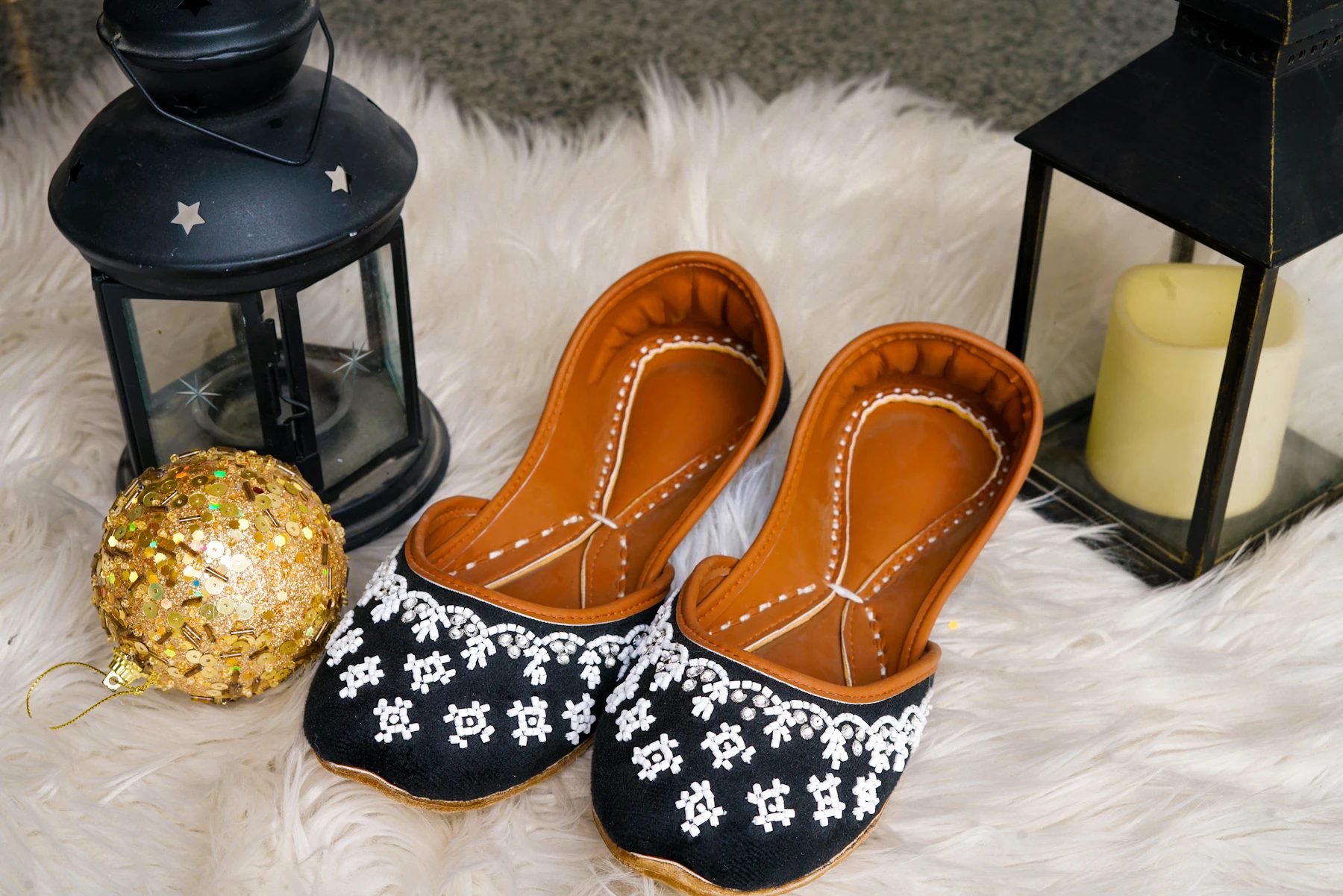
If the listing uses terms such as “embroidered panel”, “digital printed lawn”, “organza border” or “chiffon dupatta”, treat each as a separate material with its own behaviour. A suit with four different fabrics can need more skill and more finishing cost than a simple printed three-piece.
Fabric width can matter as much as length
Two and a half metres sounds generous until the cloth is narrow, the wearer is tall or the intended cut has a wide hem. Ask for width where it is not published. A tailor can estimate whether the supplied cloth will support your preferred sleeves, kameez length and flare only if the actual dimensions are known.
This is especially important when ordering for plus-size bodies, maternity wear or a very tall wearer. “Unstitched” means flexible, not unlimited.
Look for the engineering diagram
Better listings show a flat-lay or component diagram that identifies where embroidered pieces belong. Save it. Once the packet is opened and several narrow borders are on a cutting table, the diagram can be more useful than the glamorous model image.
Ask whether embroidered necklines are pre-cut. A fixed neck shape limits how much a tailor can raise, widen or reposition the neckline. The same applies to centre-front motifs that assume a particular kameez width.
Estimate opacity before committing to a summer suit
Light-coloured lawn can need a slip, camisole or full lining depending on weave and print. That changes both heat and cost. If the product page does not discuss transparency, ask the seller for a daylight photograph of one layer over a hand or neutral background.
A heavily embroidered front may be more opaque but also warmer. The most breathable-looking campaign outfit is not necessarily the coolest once backing fabric and lining are added.
Dupatta material changes the whole experience
Chiffon is light and formal but can slip. Organza holds shape and embroidery but can feel crisp at the neck. Cotton voile breathes and is easier for daily wear. Net can carry decorative work while catching easily on jewellery. Read the actual dupatta material rather than treating “three-piece” as enough information.
If you cover your hair, think about grip and opacity as well as colour. A separate everyday scarf may be more practical than forcing an ornate dupatta to do a job it was not designed for.
Check print placement and repeat
Large digital prints can look completely different once scaled to your body. A huge motif centred on the sample model may shift if the shirt is lengthened or widened. Ask your tailor to place the main motifs before cutting, especially on borders and sleeves.
With directional prints, the cloth cannot always be turned sideways to solve a shortage. That is another reason fabric width matters.
Budget stitching before deciding the packet is cheap
Add the realistic tailoring fee for your city, lining, extra fabric, hand finishing, delivery and alterations. A sale suit with complex embroidery can cost more to complete than a higher-priced ready-to-wear outfit. That does not make it bad value; it makes the true price different from the website banner.
If ordering from Pakistan to the UK, include international delivery and any taxes or handling that may apply. Keep the seller's dispatch origin clear because a brand using a .co.uk storefront can still ship from abroad.
Returns are easiest before scissors touch anything
UK distance-selling rights and the retailer's procedure should be read before checkout. Personalised, altered or cut fabric can have different return treatment from untouched goods. Inspect every component as soon as the packet arrives: stains, missing borders, colour damage, weaving faults and embroidery defects should be documented before stitching.
Lay the components out and photograph them. If something is missing, contact the seller before a tailor opens or cuts the fabric.
A practical online lawn checklist
- component list saved
- fabric lengths and widths checked
- front/back/sleeve placement understood
- opacity and lining considered
- dupatta fabric identified
- tailoring cost added to purchase price
- delivery origin and return rules checked
- packet inspected before cutting
Unstitched lawn is valuable because it lets clothing be adapted to a real body. The product page should give you enough technical information to use that flexibility. If all it gives you is a beautiful photograph, you are being asked to buy styling rather than cloth.
Fit should be checked in motion: Buying unstitched lawn online
In practical terms for buy unstitched lawn online, Stand in front of the mirror, then sit, reach, bend the elbow, raise the arms and walk. Pakistani clothing often relies on ease, side slits and layered fabric; a fit that looks smooth while standing can become restrictive when the body moves.
Fabric changes what the same cut feels like: Buying unstitched lawn online
Applied specifically to buy unstitched lawn online, Lawn, linen, cotton, raw silk, velvet, chiffon, organza and heavily embroidered net have different weight, drape and breathability. The same measurement can feel loose in a soft fabric and restrictive in a stiff lined one.
Think about the complete outfit before altering one piece: Buying unstitched lawn online
For a reader working through buy unstitched lawn online, Shoes change trouser and lehenga length. Jewellery changes neckline comfort. A dupatta can alter shoulder balance. A coat can crush a structured sleeve. Bring or at least photograph the other pieces when making an important fit or styling decision.
Online buying needs technical information: Buying unstitched lawn online
For buy unstitched lawn online in particular, Look beyond the campaign image for garment measurements, fabric composition, piece count, care instructions and return terms. A seller that provides only model height and a size label is giving you much less information than a proper measurement chart.
Save screenshots at purchase because product pages can change. If the order is customised, confirm in writing which measurements, colours and alterations were agreed.
Alteration potential is part of value: Buying unstitched lawn online
With buy unstitched lawn online as the focus, A garment with sensible seam allowance, removable borders and straightforward construction has a longer useful life than one that can only fit one exact body shape. Ask a tailor what can realistically be changed before rejecting or buying an expensive piece.
Let personal comfort overrule performative fashion: Buying unstitched lawn online
In practical terms for buy unstitched lawn online, A wedding guest does not need to wear the heaviest available outfit, and a modest dresser does not need to accept overheating as the cost of coverage. Choose fabric, fit and shoes that support the way you want to participate in the day.
Photographs matter, but they occupy seconds. The garment has to carry the hours between them.
Use a final event or purchase checklist: Buying unstitched lawn online
Before committing to buy unstitched lawn online, check fit in motion, fabric behaviour, shoe compatibility, weather, care requirements, alteration options and return terms. For formal events, add transport, coat storage and emergency repair items.
Applied specifically to buy unstitched lawn online, Good style decisions usually look less dramatic on a checklist than on a feed. That is a strength: clothing that fits the body, climate and event gives the wearer more room to be the interesting part.
Start with the job the garment has to do: Buying unstitched lawn online
begin with the real setting: workday, wedding, travel, summer heat, winter venue, prayer, dancing or daily errands. A garment can look beautiful in a product image and still be wrong for the hours you need it to perform.
Write down the non-negotiables before shopping or altering: sleeve coverage, pocket needs, shoe height, ability to sit comfortably, preferred neckline and whether the piece must survive public transport or a long car journey. Those requirements are more useful than a trend board.
Sources and official profiles
Filed under
Was this helpful?
Keep reading
Related stories
More from this desk, this beat, and the tags on this piece.
Lawn, cambric and voile are not the same fabric: a Pakistani summer textile guide
Zainab Noor · 20 Oct 2026
Pakistani clothes alterations in the UK: what a tailor can usually fix
Zainab Noor · 8 Oct 2026

Readers
The conversation
0 notes
Anyone can leave a note. Guests add a name and email — no account required, and the email is never published.
No notes yet. Yours would be the first.