How to measure for a Pakistani suit when ordering online
A calm, practical measurement guide for ordering stitched Pakistani clothes online: body versus garment measurements, ease, lengths, trousers and the checks that prevent expensive surprises.
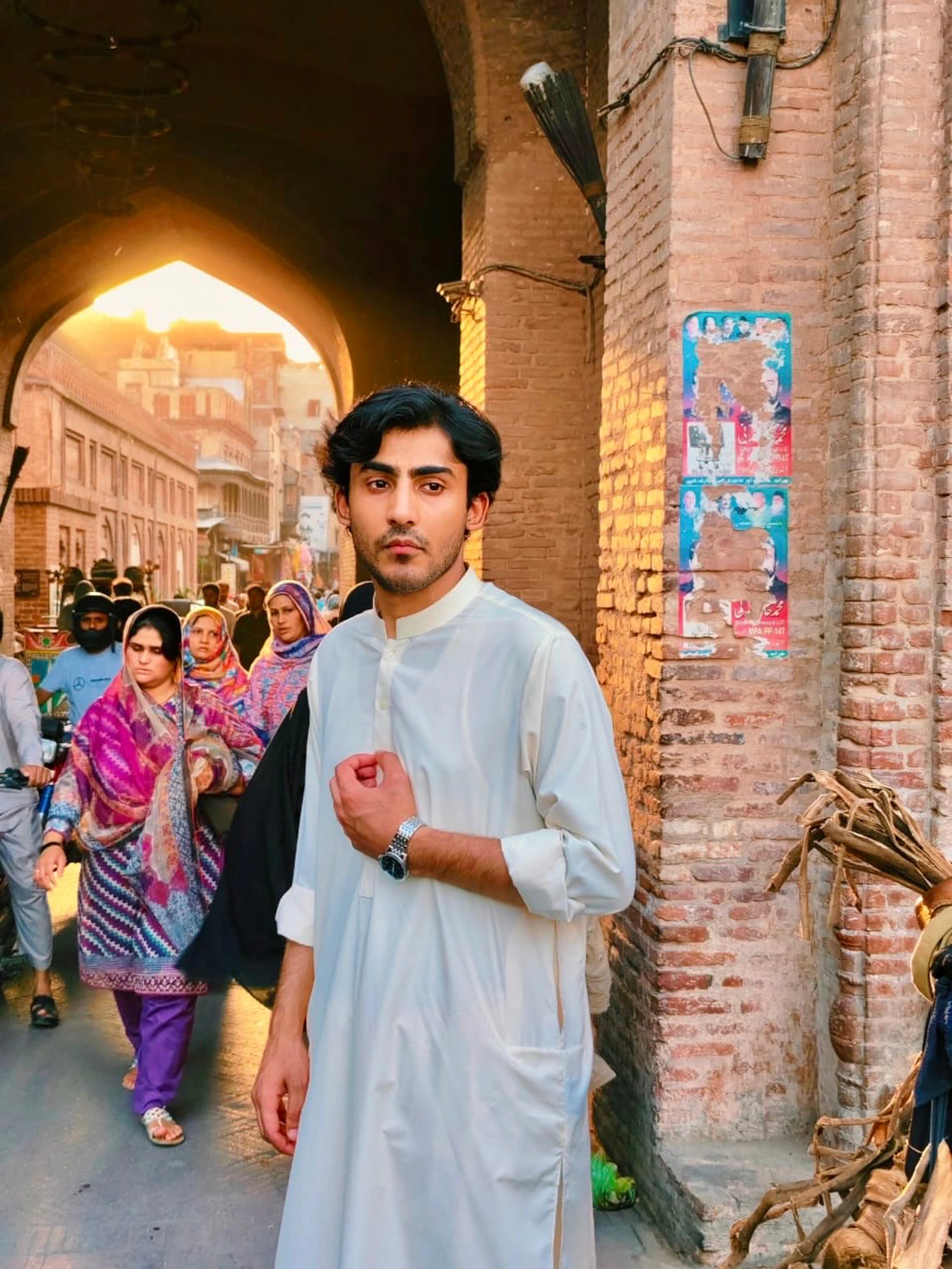
Ordering a stitched Pakistani suit online can feel strangely high-stakes. A tape measure is simple; the difficult part is knowing what the seller means by “chest”, whether a number is taken from your body or from a finished kameez, and how much room the tailor will add. The kindest way to approach it is not to chase a perfect size. Build a measurement record that another person can understand.
First decide what you are measuring
There are two valid systems, and mixing them is where many mistakes begin. Body measurements are taken around you with a soft tape. Garment measurements are taken from a suit you already like, usually laid flat. A 40-inch body chest is not the same instruction as a 40-inch finished garment chest because a wearable kameez needs ease.
Before sending a single number, ask the brand which system its form uses. If it accepts a reference garment, that is often the least ambiguous route: choose a recently worn suit whose shoulders, sleeve length and overall looseness you genuinely like. Do not copy a favourite suit whose one annoying flaw you have simply learned to tolerate.
The upper-body numbers worth recording
- Shoulder: from the point where one shoulder seam should sit to the other, across the back.
- Chest or bust: around the fullest point, tape level, breathing normally.
- Waist and fullest hip: record both even for a loose straight kameez; the maker needs to know where the garment must clear your body.
- Bicep and armhole: particularly important for fitted sleeves, formalwear and anyone who often finds ready-made sleeves restrictive.
- Sleeve: shoulder point to the intended cuff, with the arm relaxed rather than held rigid.
The tape should touch without digging in. Taking a deliberately smaller number does not create a neater fit; it simply asks the tailor to solve a false problem.
Length is a design decision, not a universal number
Measure kameez length from the high shoulder point to where you actually want the hem. Stand in the shoes you would normally wear and look at the result in a mirror. The same length can read completely differently on two people because torso and leg proportions vary.
For trousers, write down where the waistband will sit before measuring the outside length. Then specify the bottom style: straight trouser, cigarette trouser, classic shalwar, gharara or another cut. “Trouser 38” without a waistband position or silhouette is incomplete information.
Write an ease note in ordinary language
You do not need to become a pattern cutter. A sentence such as “I want this relaxed enough to sit cross-legged and drive comfortably, but not oversized through the shoulder” is useful. So is “please keep the sleeve easy at the bicep” or “I wear this with a camisole underneath”. Good tailoring is partly numerical and partly a description of how a garment has to behave.
If you are between sizes on a brand chart, compare the actual garment measurements rather than assuming the label will translate from another brand. Pakistani ready-to-wear sizing is not governed by one universal S/M/L standard.
A five-minute verification before you submit
- Measure twice, preferably at different times rather than repeating the same rushed attempt.
- Record centimetres or inches clearly; never send a bare number.
- Check shoulder, sleeve and kameez length against a garment you already own.
- Ask whether stitching includes shrinkage allowance for the fabric being used.
- Save the final form or screenshot so alterations later have a starting point.
If somebody else is helping with the tape, ask them to read the number while you stand naturally. Twisting to look down changes the position you are trying to measure.
When the order arrives
Try it on before removing tags, washing it or asking a local tailor to change it. Sit, raise your arms, walk, use the pockets and check the trouser at the shoe. Photograph any fit issue from the front, side and back in plain light. “Too tight” is hard for a remote maker to diagnose; “pulling from the armhole when I raise my arm” is much more useful.
A measurement sheet is not a judgement on your body. It is simply production information. Record the body you have, choose the ease you enjoy, and let the clothing do the adapting.
Build a reusable measurement sheet instead of starting from zero every time
A useful measurement record is not a list of numbers floating without context. Add the date, whether the measurements are body or garment measurements, what you were wearing underneath, and which finished outfit you compared them with. Bodies change, brands grade differently and a favourite kameez may have stretched slightly after years of wear. Dating the sheet means you can see whether a future mismatch came from your body, the maker or simply an old reference.
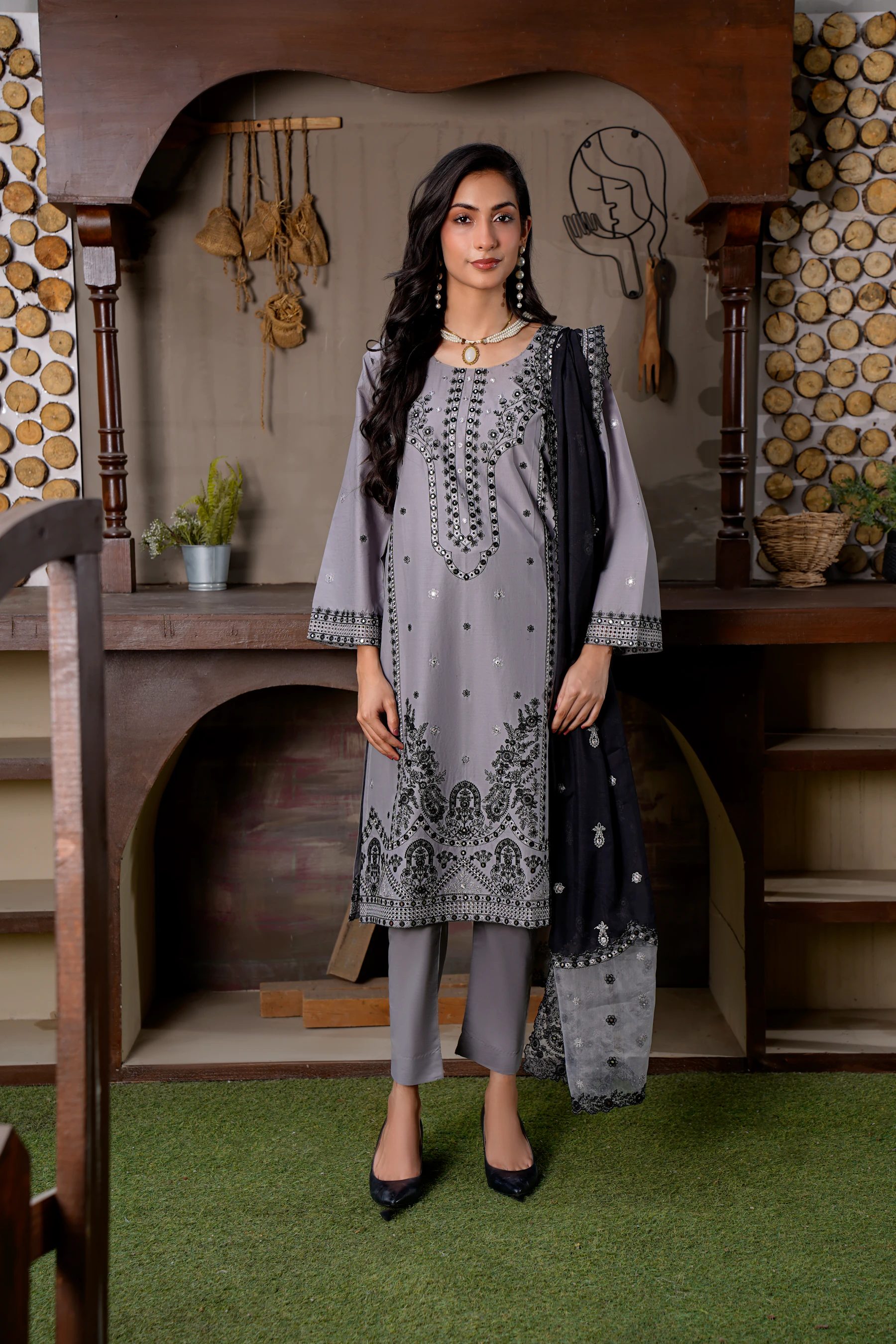
Photograph the reference garment lying flat beside the tape at the shoulder, chest and length. You do not need to send every photograph to the seller, but they give you a private record if the finished order arrives several centimetres away from the measurements you supplied.
Shoulder fit is the measurement most people notice first
Chest can be altered relatively easily in many simple garments; a shoulder that is too wide or too narrow affects the sleeve head, neckline and overall balance. When measuring a garment, place it flat without stretching and measure straight from shoulder seam to shoulder seam. When measuring the body, identify the bony shoulder points rather than following the curve down the arm.
If one shoulder sits lower than the other, which is very common, tell the tailor if the asymmetry is enough to affect formalwear. Bespoke tailoring can account for it; a standard ready-to-wear order usually cannot.
Measure ease by comparing body and garment numbers
The difference between your body chest and a comfortable finished kameez chest tells you how much ease you personally like. That number is more useful than saying “medium loose”. If your body measures 40 inches around the chest and a favourite kameez measures 44 inches around at the same level, you know that four inches of total ease feels familiar in that fabric and silhouette.
Do the same at hip level. Straight shirts often look generous at the chest and then catch across the hip because the buyer supplied only one circumference. For people who sit for long periods, drive, use a wheelchair or prefer modest looser clothing, seated comfort is part of the specification.
Account for the fabric before finalising the fit
Lawn, cotton, linen blends, raw silk, velvet and heavily embroidered net do not behave alike. A soft cotton can tolerate a little less ease than a stiff fabric with dense embroidery. A lined formal shirt effectively contains another garment inside it, so the outside measurement must allow for both the body and the lining.
Ask whether the cloth is pre-shrunk and how the maker expects it to be cleaned. If an unstitched cotton is likely to shrink, the person cutting it needs to decide whether to wash the fabric first or add allowance. Do not independently add mysterious extra inches if the tailor is already planning for shrinkage.
Necklines and armholes need practical information, not vanity numbers
A neckline measurement should describe the opening you can comfortably wear. If you prefer a higher front for work or modesty, provide the desired front depth rather than relying on a stock neckline. For armholes, measure a garment that lets you raise your arms without dragging the whole kameez upwards.
People who lift weights, have fuller upper arms or simply dislike tight sleeves should record bicep circumference separately. A sleeve can look correct while the arm is hanging and become restrictive the moment the elbow bends.
Trouser measurements should include the rise
Waist and outside length do not fully describe a trouser. The rise determines where the crotch sits and whether the garment feels comfortable when seated. If the seller offers front-rise and back-rise measurements, compare them with a pair you already wear successfully. A higher back rise can matter for fuller hips or anyone who dislikes the waistband dropping when sitting.
For shalwar, the critical measurements are different: overall length, waistband, ankle opening and the amount of fullness. For cigarette trousers, knee and hem width become more important. Name the silhouette before sending the numbers.
Use photographs to communicate proportion, not to ask for somebody else's body
A reference image is helpful when you are pointing to hem position, sleeve volume or neckline shape. It becomes unhelpful when the expectation is that the garment will reproduce the proportions of a model with a different height and build. Mark on the photograph what you mean: “hem just below knee” or “sleeve this loose”, then pair that with actual measurements.
For diaspora orders, include your height and usual UK shoe heel height if the outfit is formal. Those two pieces of context can prevent a beautifully stitched trouser being finished for flats when you intended to wear heels.
What to do when the seller's chart conflicts with your measurements
Do not choose the size whose label sounds familiar. Compare the finished-garment chart with your preferred garment and prioritise the hardest areas to alter: shoulder, armhole and hip placement. If the chest says medium but the hip says large, ask whether the brand cuts a straight or A-line shirt and whether they can mix measurements.
For an expensive stitched order, one email before purchase is cheaper than a major alteration after delivery. Keep the response with the order confirmation so the agreed fit is documented.
A final pre-submit checklist
- body or garment measurement method clearly labelled
- units written beside every number
- shoulder, chest, waist, hip, bicep and sleeve checked twice
- kameez and trouser lengths checked with intended shoes
- desired ease described in both numbers and ordinary language
- fabric, lining and shrinkage discussed
- screenshots saved before payment
The most useful tailoring record is not the most flattering one. It is the most reproducible one. Accurate numbers plus a short explanation of how you move and how you like clothes to sit give a remote tailor a much better chance of making something you reach for rather than merely something that technically closes.
Sources and official profiles
Filed under
Was this helpful?
Keep reading
Related stories
More from this desk, this beat, and the tags on this piece.
Pakistani clothes alterations in the UK: what a tailor can usually fix
Zainab Noor · 8 Oct 2026

Lawn, cambric and voile are not the same fabric: a Pakistani summer textile guide
Zainab Noor · 20 Oct 2026
Buying Pakistani gold jewellery in the UK: read the hallmark before the receipt
Zainab Noor · 13 Oct 2026
Readers
The conversation
0 notes
Anyone can leave a note. Guests add a name and email — no account required, and the email is never published.
No notes yet. Yours would be the first.