Culture
Hania Aamir: a guide to her screen career and major roles
A sourced, work-focused guide to Hania Aamir’s film and television career—from Janaan and Parwaaz Hai Junoon to Mere Humsafar and Kabhi Main Kabhi Tum—without private-life gossip.
By Bilal Ahmed
Culture editor
7 min read
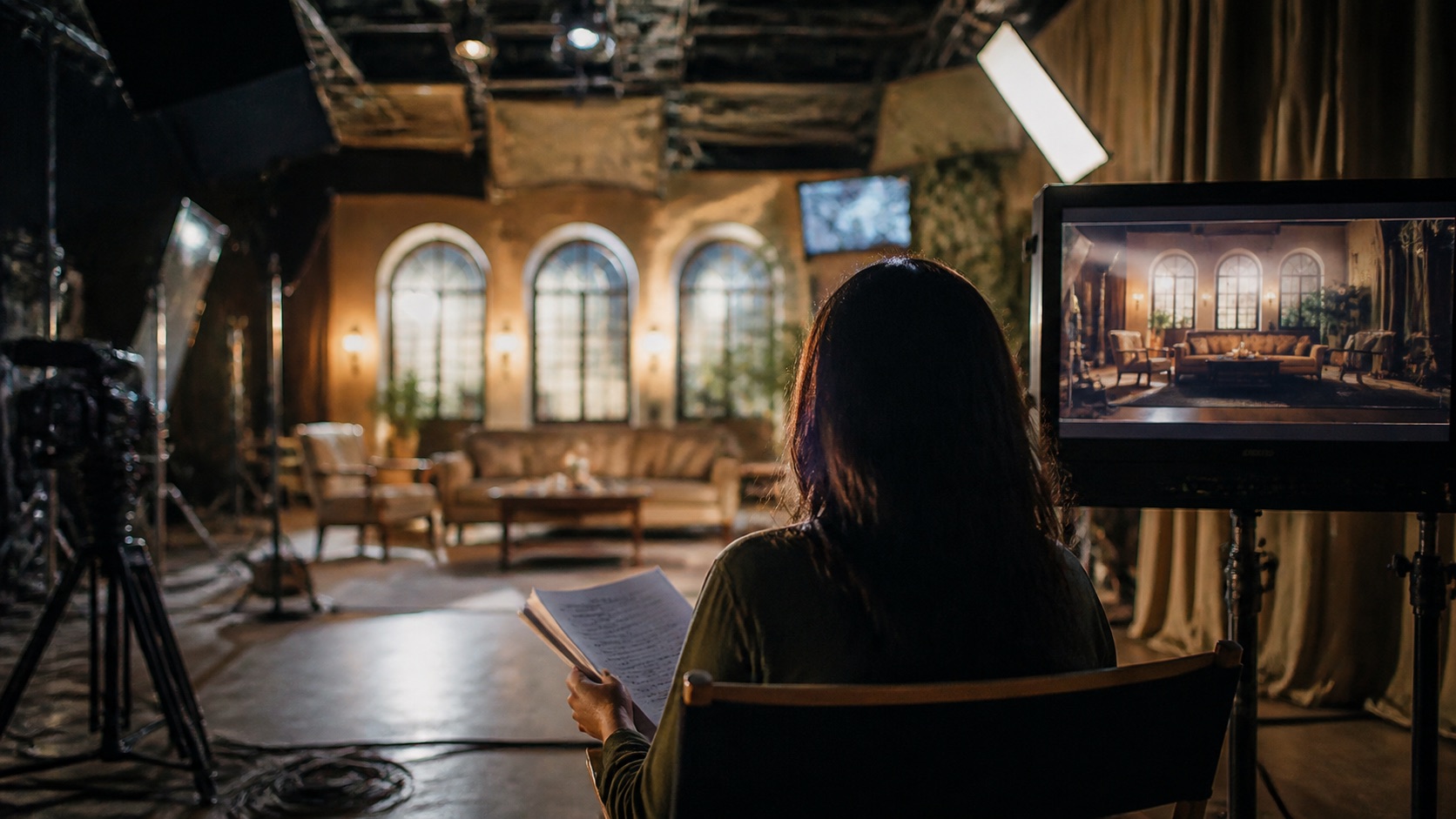
Hania Aamir’s public profile can make it hard to see the career underneath it. Search pages mix performance credits with fashion frames, social clips, and speculation about private relationships. A clearer account follows the work: a 2016 film debut, movement between cinema and long-form television, the serials that widened her audience outside Pakistan, and the public remarks she has made about digital violence against visible women.
A responsible profile should make the work easier to understand without pretending access to the person behind it.
— PakStyles culture desk
Film debut and comic ease
Aamir’s screen career began with Janaan (2016). In a 2017 Dawn Images interview, the conversation centred on that arrival and the attention that followed. The role introduced qualities that recur later: quick comic timing, conversational looseness, and a presence that can cut through an ensemble. Early film work continued through mainstream comedy—including Na Maloom Afraad 2—before Parwaaz Hai Junoon (2018) placed her inside a larger patriotic production opposite a high-profile cast.
Speaking to Dawn Images in 2019, she described the long shoot and the confidence that came with the film’s reception. The career point is scale: she moved from a lively supporting debut into work carrying heavier promotional and audience expectation. Later film credits such as Parde Mein Rehne Do (2022) kept comedy and lighter rhythm available beside the heavier television roles that would define her for many diaspora viewers.
Film comedy in Pakistani mainstream cinema often asks for timing inside noisy ensembles. Watching Aamir’s early work for reaction shots and throwaway lines is more useful than hunting for a single “breakthrough monologue.” The craft signal is whether she can stay specific while the frame fills with other performers.
Television’s longer demand
Television asks an actor to sustain choices across many hours while scripts and audience reaction keep accumulating. Anaa (2019) returned Aamir to serial drama in a world of privileged families and romantic conflict, with more abrasion than a purely charming film beat. Ishqiya and Dil Ruba continued that headstrong register. A career guide should resist treating ratings clips as the only measure. In long-form work, watch repetition, emotional transitions, reaction shots, and scenes that depend on listening rather than speeches—those details explain development more honestly than a list of “hit” labels.
Serial production also means the actor’s performance is shaped by writers’ rooms, directors who change mid-run, and editing that can favour melodrama. Crediting that system is not an insult to the lead; it is how television actually works. When a character’s choices feel inconsistent week to week, ask whether the issue is performance drift or structural writing before declaring a verdict on talent.
Mere Humsafar and the wider audience
Mere Humsafar (2021–22) became a major television marker and circulated widely among viewers outside Pakistan through digital distribution. Playing Hala, Aamir had to keep emotional directness legible without turning every episode into the same expression of suffering. The serial’s impact also depended on writing, direction, the family ensemble, music, and network distribution. Crediting that system does not diminish the lead; it places the performance in the conditions that made it visible.
Later serials such as Mujhe Pyaar Hua Tha and Kabhi Main Kabhi Tum (2024)—the latter earning her a Lux Style Award for Best TV Actress for Sharjeena—show continued demand for contemporary relationship drama rather than a single distressed-heroine template. Viewers who know only one register should add a comic or film role before deciding what her range contains.
How to watch without collapsing into gossip
Diaspora playlists often arrive as forwarded episode clips stripped of context. Rebuild context: note the channel or platform, the year, and whether you are watching a cut for overseas streaming. Subtitle quality changes how comic timing lands; a flat translation can make a precise line sound generic. When recommending a title, say which platform you used and whether the episode order is complete.
Avoid using wedding or fashion appearances as career evidence. Those events may be professionally managed; they are not substitute filmography. Likewise, avoid reading private-life rumours back into character choices. The ethical habit is simple: if a claim is not on the public work record or a sourced interview, it does not belong in a viewing guide.
Visibility without gossip
A 2026 Dawn Images report covered Aamir’s public remarks on digital violence, image manipulation, misogyny, and the pressure applied to visible women. That material belongs in a career profile because it concerns the conditions under which her work and image circulate. It does not create permission to analyse private life. Report what she has placed on the record, link the source, note the professional relevance, and stop where evidence stops.
Digital harassment is part of the labour of being visible in Pakistani entertainment. Including that fact is different from rehearsing the harassment. Readers looking for “tea” will be disappointed here on purpose.
Industry context without mythology
Pakistani film and television careers rarely move in a straight Hollywood-style “indie to prestige” line. Commercial comedy, patriotic spectacle, and daily serials share labour pools and audience attention. Aamir’s path through those formats is typical of actors who remain employable across mediums rather than being locked to one prestige lane. That versatility is a professional fact; it does not require inventing a grand narrative about destiny.
Awards and trending charts are noisy signals. A Lux Style Award for television performance documents peer and industry recognition for a specific role; it does not settle arguments about an entire career. Use awards as bookmarks for which year and title to sample, not as proof that earlier work was immature or that later work is automatically better.
When international viewers discover Pakistani serials through short clips, they often meet a character mid-arc. Starting a few episodes earlier—or reading a brief non-spoiler synopsis from a reputable outlet—prevents mistaking plot compression for weak acting. Patience is part of watching long-form television honestly.
A viewing route
Begin with Janaan for early film presence, use Parwaaz Hai Junoon for large commercial cinema, move to Anaa for longer-form friction, then Mere Humsafar for the serial that broadened her international television audience. Add Parde Mein Rehne Do or another lighter credit so one emotional register does not define the whole career; sample Kabhi Main Kabhi Tum for a more recent relationship drama. Availability changes by country—use the distributor, broadcaster, or verified channel, and confirm subtitles before recommending a title.
| Title | Why sample it |
|---|---|
| Janaan | Early comic presence in an ensemble film |
| Parwaaz Hai Junoon | Scale and promotional pressure of big-film casting |
| Anaa | Television length and abrasive romantic conflict |
| Mere Humsafar | Wide diaspora circulation and sustained emotional lead work |
| Kabhi Main Kabhi Tum | Later contemporary relationship drama and awards recognition |
Hania Aamir’s career is still active, so any definitive verdict would be premature. The record already shows comic instinct, commercial cinema, extended television emotion, and the pressures of digital visibility. Future updates should follow verified roles and the work itself—not the rumour cycle around it.
Network pages and official show pages change; when you cite a serial, prefer the broadcaster or a dated reputable interview over an undated fan wiki. That habit keeps this guide usable when episode counts and streaming rights shift.
Sources
- Rising talent Hania Aamir interview, Dawn Images
- Hania Aamir on Anaa and Parwaaz Hai Junoon, Dawn Images
- The Icon Interview: Talk of the Town, Dawn
- UN Women role and digital violence speech, Dawn Images
Sources and official profiles
Filed under
Keep reading
Related stories
More from this desk, this beat, and the tags on this piece.
Pakistani baby names: how to research meaning and pronunciation
Bilal Ahmed · 25 Aug 2026 · 2 min
Readers
The conversation
0 notes
Anyone can leave a note. Guests add a name and email — no account required, and the email is never published.
No notes yet. Yours would be the first.