Menswear
Lahore ateliers and the new Pakistani suit
Three cutting rooms off MM Alam Road are quietly rewriting the Pakistani suit: softer shoulders, higher armholes, and a waist that actually exists — for the nikah and for Thursday.
By Zainab Noor
Fashion writer
6 min read
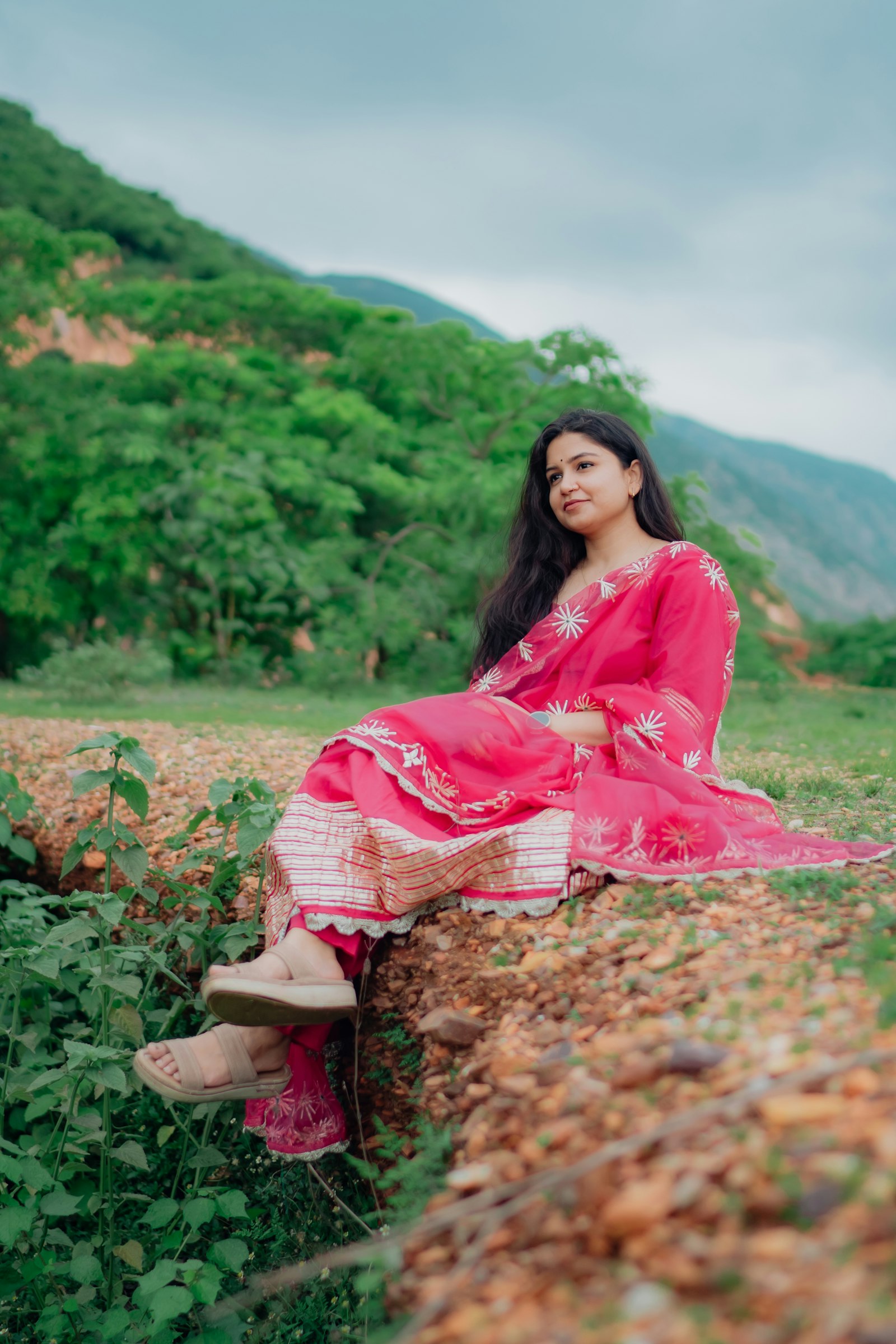
The Pakistani suit used to mean a box. Generous, forgiving, slightly tragic under studio lights, it was cut so a man could eat, dance, and deny he had a waist. In Lahore this season the shoulder has dropped, the chest has been cleaned, and the trousers finally touch the shoe without pooling like a monsoon drain. We sat in three upstairs rooms off MM Alam and Gulberg with cutters who still work from a kettle, a WhatsApp group of grooms, and a wall of cloth from Faisalabad mills. The revolution is not a collection. It is a pattern.
We stopped copying Italian houses and started measuring Pakistani bodies. That was the whole revolution. The rest is patience and a better armhole.
— Umar Riaz, cutter, Lahore
Inside the cutting rooms
Atelier work in Lahore still happens upstairs, behind a fabric shop, with a kettle that never quite cools. The difference now is the pattern. Cutters are raising the armhole so a man can pray without the jacket riding up to his ears. They are taking the waist in by two centimetres — enough to suggest a body without turning a nikah into a fitness test. A dummy wore a jacket that would have looked unfinished five years ago: less padding, more shape.
We sat with three houses. All of them had a wall of cloth from Faisalabad mills and a smaller shelf of imported wool for the diaspora client who flies in for ten days and wants something that works in Manchester rain and on a DHA lawn. None wanted their full name in a magazine. Grooms are superstitious, and Instagram has made every fitting a potential argument with an uncle. The work is quieter than the feed suggests.
Faisalabad cloth and the diaspora client
The mill cloth is not a compromise. The good Faisalabad tropicals breathe in a Sham-e-Lahore tent and still hold a crease through a walima buffet. Cutters who used to apologise for local wool now lead with it, and keep the imported rolls for clients who will wear the suit in a colder country. Ask where the cloth sat before it reached the table.
The diaspora client is a mixed blessing. He arrives with reference pictures from a London tailor and a timeline that assumes Lahore works like a reservation app. The houses that survive him say no to a six-day sherwani and yes to a muslin that he must stand still for. Umar, in Gulberg, keeps a notebook of measurements from men who come back every Eid. The notebook is the brand.
The waist, the armhole, the prayer test
Ask to raise your arms as if you are in prayer. If the jacket climbs, the armhole is a costume. Ask to sit. If the waistband carves a new geography into your stomach, you are being flattered for the fitting and punished for the dinner. The new Pakistani suit is not tighter for the sake of a photograph. It is closer to the body so the cloth can do less work in the heat.
Trousers are where houses still cheat. A break that puddles photographs as richness and walks as a hazard. The pairs we liked had a clean front, a modest break, and a hem that could take a khussa or a leather shoe. One cutter above Liberty had started finishing a working cuff buttonhole as default, because it tells you whether the house is sewing or gluing a look together.
MM Alam, Gulberg, and the upstairs map
Do not confuse the road with the work. MM Alam will sell you a look in a window. The cutting rooms that matter are still a flight of stairs behind a cloth shop, often with a cousin taking payments on a phone. Gulberg has more of these than a visitor walking the flagship stretch will notice. Anarkali will still sell you a sherwani that shines. Shine is not structure.
We watched a fitting in which a groomsman, not the groom, got the better jacket because he asked better questions. He wanted to know what happens after the first wash, and to see the same cut on a man his size, not on a hanger. The groom was busy photographing the embroidery. Six months later, guess which jacket will still be in rotation on a Thursday.
How to commission without being bullied
A house that rushes your muslin is a house that has already spent your deposit in its head. Sit for the pattern. Come back. Sit again. If someone tells you a celebrity wears this exact silhouette, smile and ask for the measurement chart anyway. You have a walima, an Eid, and a body that will not become a sample size because a magazine said so.
Budget honestly, and in writing. A suit that lasts eight Eids is cheaper than three that pill before the walima album is printed. Ask who stitches if the name on the door is in Dubai that month. The answer will tell you whether you are buying a house or a logo. Lahore still has both. They are not the same purchase.
- See the jacket on a man your size, not only on a hanger.
- Ask what happens after the first wash, and who pays if a seam goes.
- Request a working cuff buttonhole. Finishing is the tell.
After the walima: what lasts
The new suit earns its keep on ordinary nights. If it only works under tent lighting, it was a rental with better manners. The men we spoke to who were happy six months later had commissioned something they could wear to a dinner in Gulberg without looking like they had escaped a baraat. Soft shoulder, honest cloth, a waist that exists. That is the brief. It is not modest. It is adult.
Lahore will keep producing spectacle. Spectacle pays for the lights. The upstairs rooms are paying for something slower: a Pakistani suit that belongs to the man in it, in this heat, with this calendar of Eids and offices and weddings that run long. Measure that body, in this city, not a picture from another climate. The rest is fabric hanging on a story.
- Keep the muslin if they will let you. It is the only honest archive.
- Wear the suit on a Thursday before you decide it is finished.
- Have the trousers hemmed for the shoes you actually own.
The new suit is not louder. It is closer. That is harder to photograph and easier to live in — which is the point of clothes, even in a city that treats a nikah like a campaign. Commission for Thursday as well as the walima, and the upstairs rooms will still be there when the tent lights come down.
Keep reading
Related stories
More from this desk, this beat, and the tags on this piece.
Pakistani formalwear for a British wedding: groom and guest options
Zainab Noor · 13 Sep 2026 · 15 min
Sherwani fit guide: shoulders, length, closure and trousers
Zainab Noor · 13 Sep 2026 · 17 min
Readers
The conversation
0 notes
Anyone can leave a note. Guests add a name and email — no account required, and the email is never published.
No notes yet. Yours would be the first.